Cat Eating Too Fast? Why It Happens and How to Slow Them Down
Why some cats gulp their food and throw it up, plus slow feeders, puzzle bowls and routine changes that help, and when a vet check is wise.
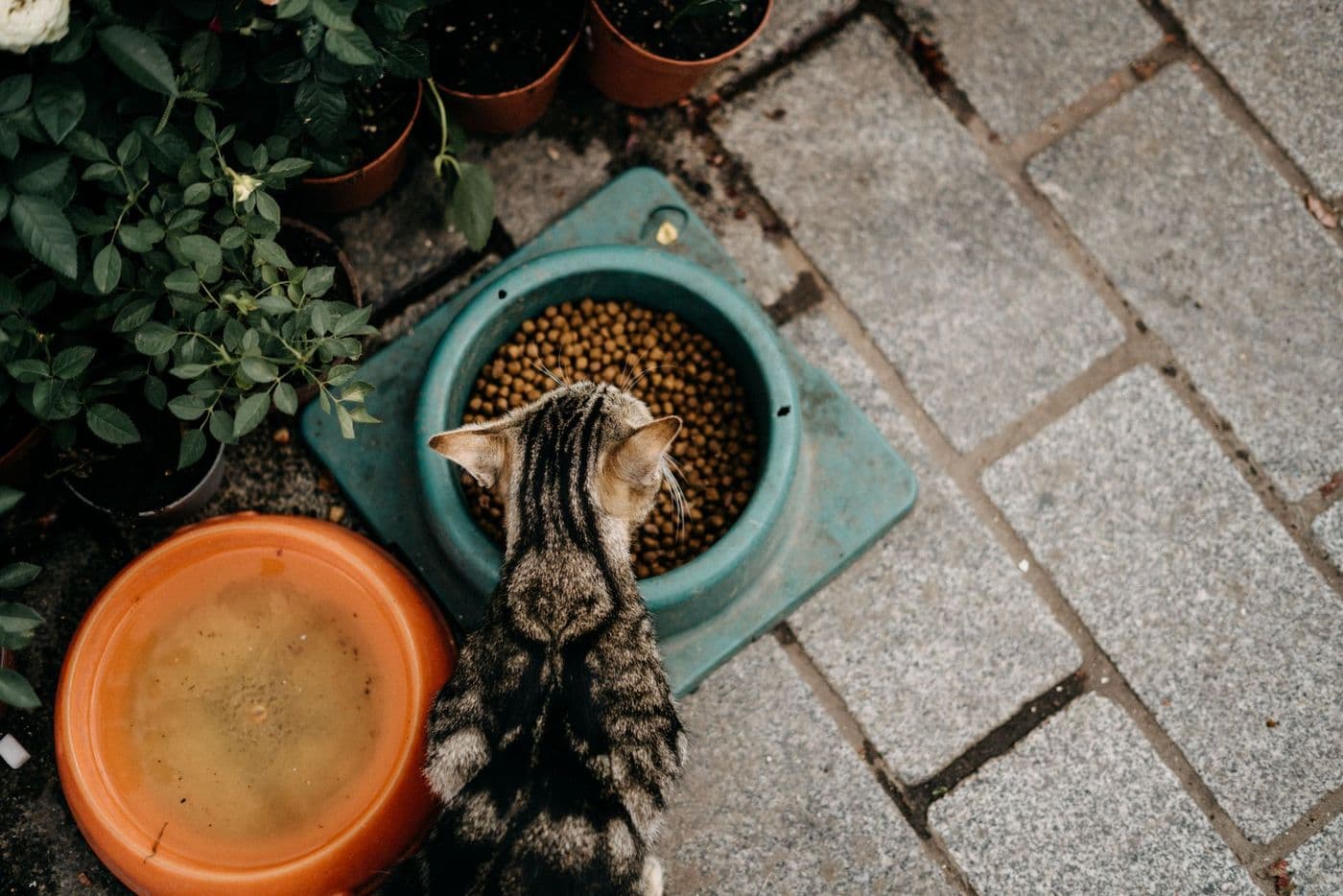
Cats gulp food because of competition, past hunger, boredom or simply habit. Slow them with a puzzle feeder or slow-feed bowl, spread food on a flat plate, split the day's portion into smaller meals and feed multiple cats separately. If vomiting is frequent or your cat seems unwell, see a vet.
If your cat empties the bowl in seconds and then brings it back up on the rug, you are in good company. Fast eating is common, especially in cats that came from shelters or multi-cat homes.
The good news is that a few small changes usually slow things down. Here is why it happens and what helps.
Why some cats eat like it's a race
Competition is a big one. Cats in a group may fear losing food if they eat slowly. Cats who were once hungry or stray can keep the habit for life.
Boredom plays a part as well: for an indoor cat, dinner is the day's main event, so it ends quickly.
Why gulping can lead to vomiting
Swallowing quickly means food and air hit the stomach all at once, and the cat may regurgitate it shortly afterward. It often looks like undigested food in a tube shape, and cats usually try to eat it again.
Occasional episodes are common. Frequent vomiting is different and can have medical causes.
Tip: Vomiting more than occasionally, blood in vomit, lethargy or weight loss should be checked by a vet rather than put down to fast eating.
Tools that slow eating
There is no single winner, so try a few:
- Slow-feed bowls with ridges or maze patterns
- Puzzle feeders and treat balls for dry food
- A snuffle mat for scattering kibble
- A flat plate or muffin tin so food is spread out
- A large smooth ball in the bowl that the cat must eat around (check it cannot be swallowed)
Change the routine
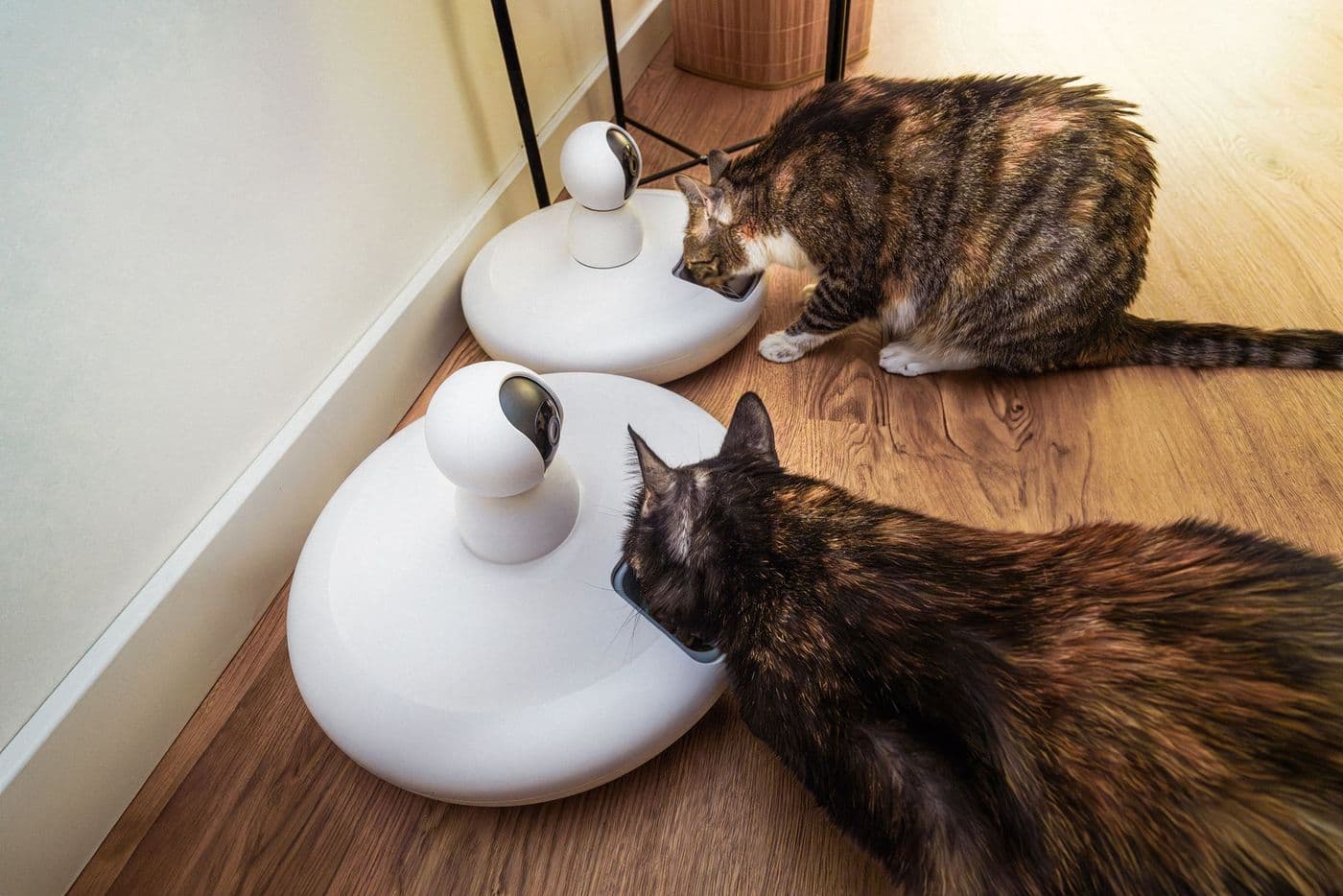
Splitting the daily amount into more, smaller meals prevents a ravenous cat from facing a huge bowl. An automatic feeder can handle midday portions.
Keep meals at predictable times so your cat learns food always arrives and begins to relax.
Feeding in multi-cat homes
Feed cats in separate rooms or at least in separate corners with visual barriers. A cat watching a rival will eat faster and may also steal the other's food.
Separate feeding also lets you see how much each cat eats, which is useful if one has a health issue or special diet.
Do not just cut the portion
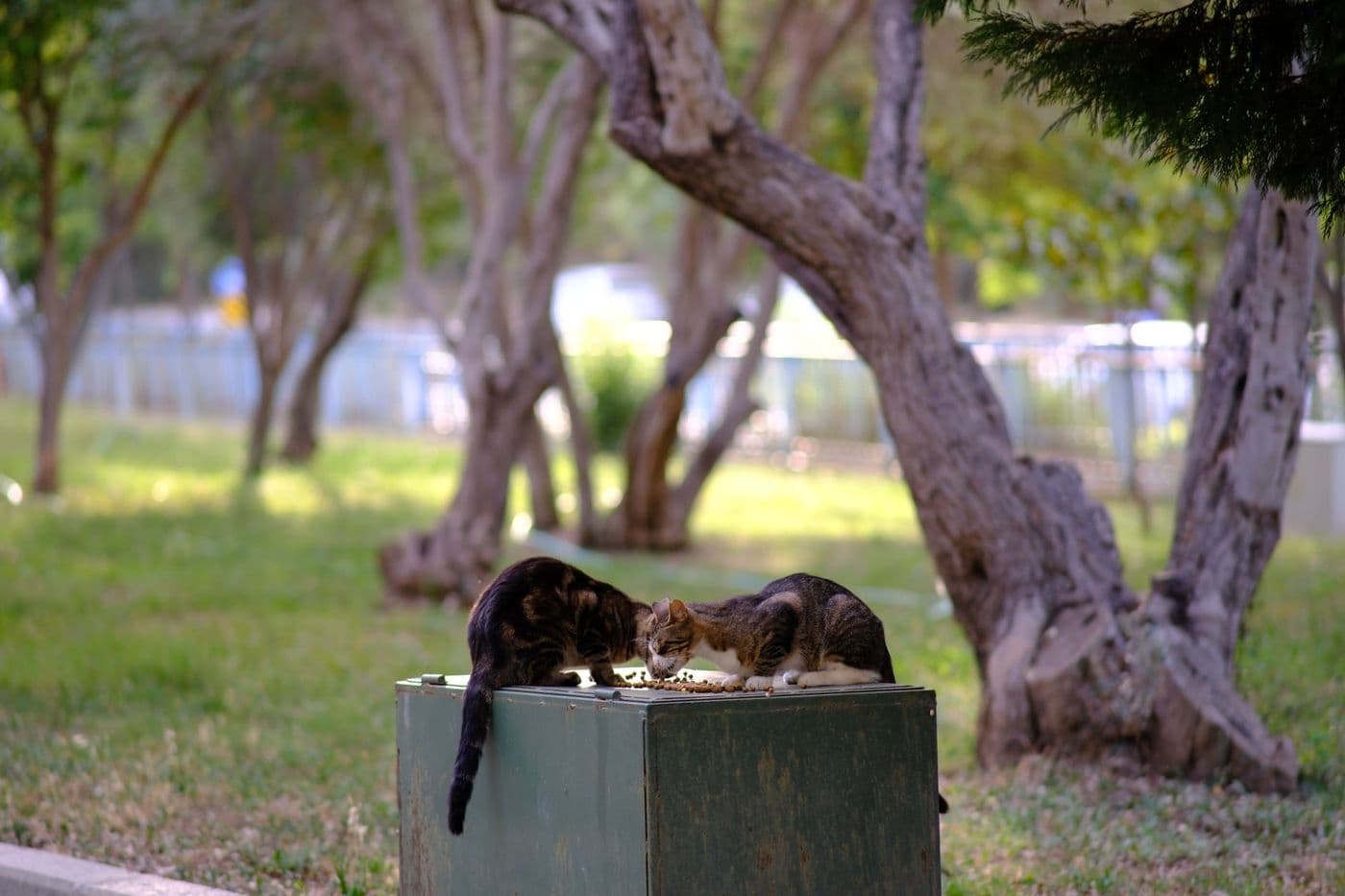
A hungry cat eats faster, not slower. Reducing food without a plan can backfire. If your cat needs to lose weight, ask your vet for a target and use puzzle feeders to make smaller meals last.
Frequently asked questions
Is it bad if my cat eats fast?
Not always, but it raises the chance of regurgitation and may reflect stress. If vomiting is regular, ask your vet.
Do slow feeders really work?
Many cats slow noticeably with them. Pick a shape your cat can reach comfortably and avoid ones that frustrate them.
Can I just add water to the food?
Adding water to wet food can slow eating slightly and increase hydration, but it will not fix the habit alone.
Should I raise the bowl?
Only if your vet suggests it. For most cats a standard shallow dish is fine.
Advertisement
Advertisement
Sponsored: today's featured offer →General information only. Check product labels and manufacturer instructions before you start.
Keep reading
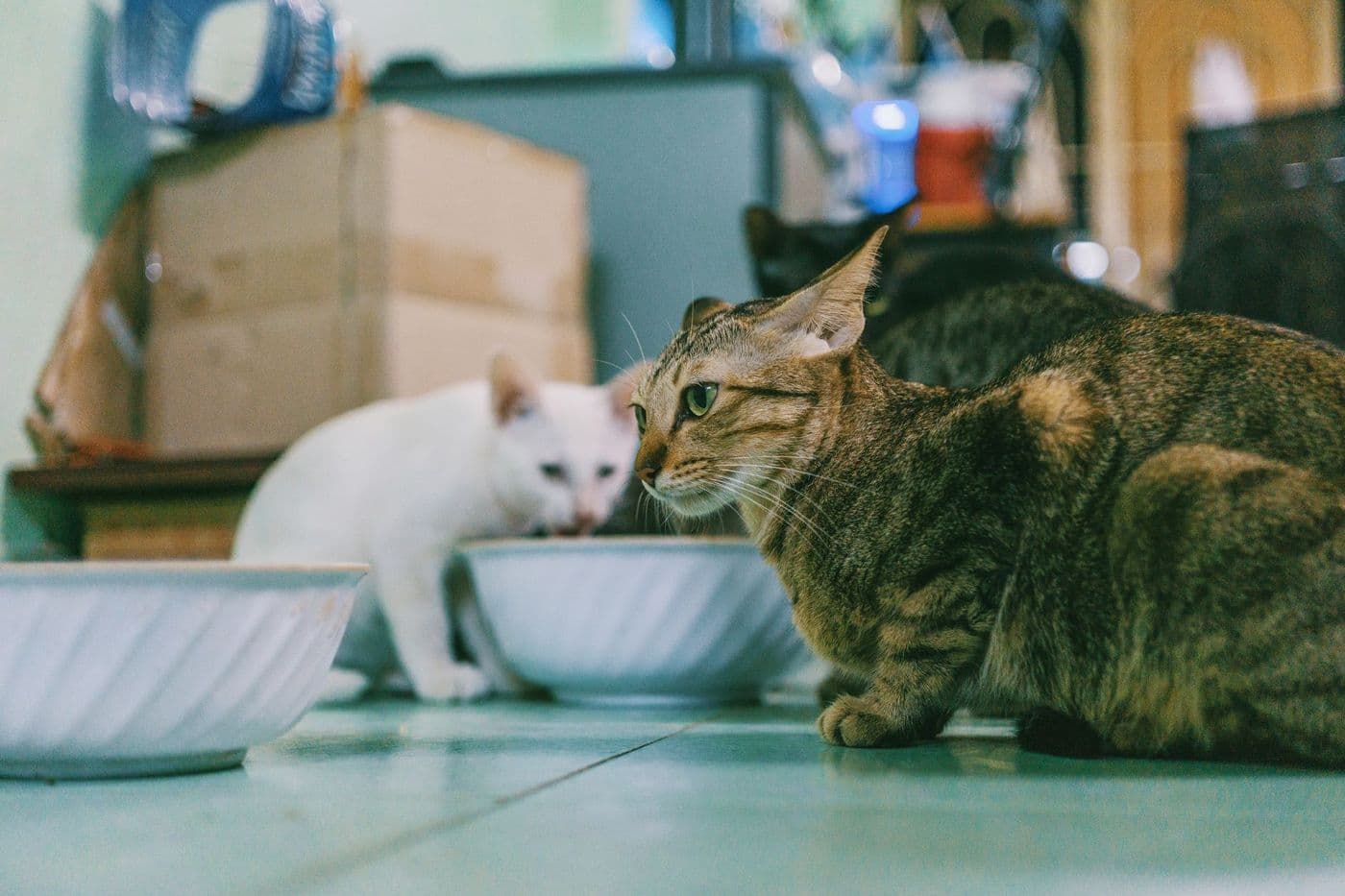
How to Switch Your Cat's Food Safely (Step-by-Step Transition)
A gradual 7 to 10 day plan for changing cat food without stomach upset, what to watch for and how to handle a picky cat who refuses the new diet.
How Often Should You Feed a Cat? Schedules for Every Age
How many meals a day kittens, adult cats and seniors need, when free feeding works, and tips for building a feeding routine that suits your home.
Wet vs Dry Cat Food: The Basics of Choosing for Your Cat
A fair look at wet and dry cat food: moisture, convenience, cost, dental myths and how to mix both while keeping your cat at a healthy weight.