Why Is My Cat Not Drinking Water? Causes and What to Do
Cat barely touching the water bowl? Learn common reasons cats drink less, simple fixes to try at home and the signs that mean a vet visit.
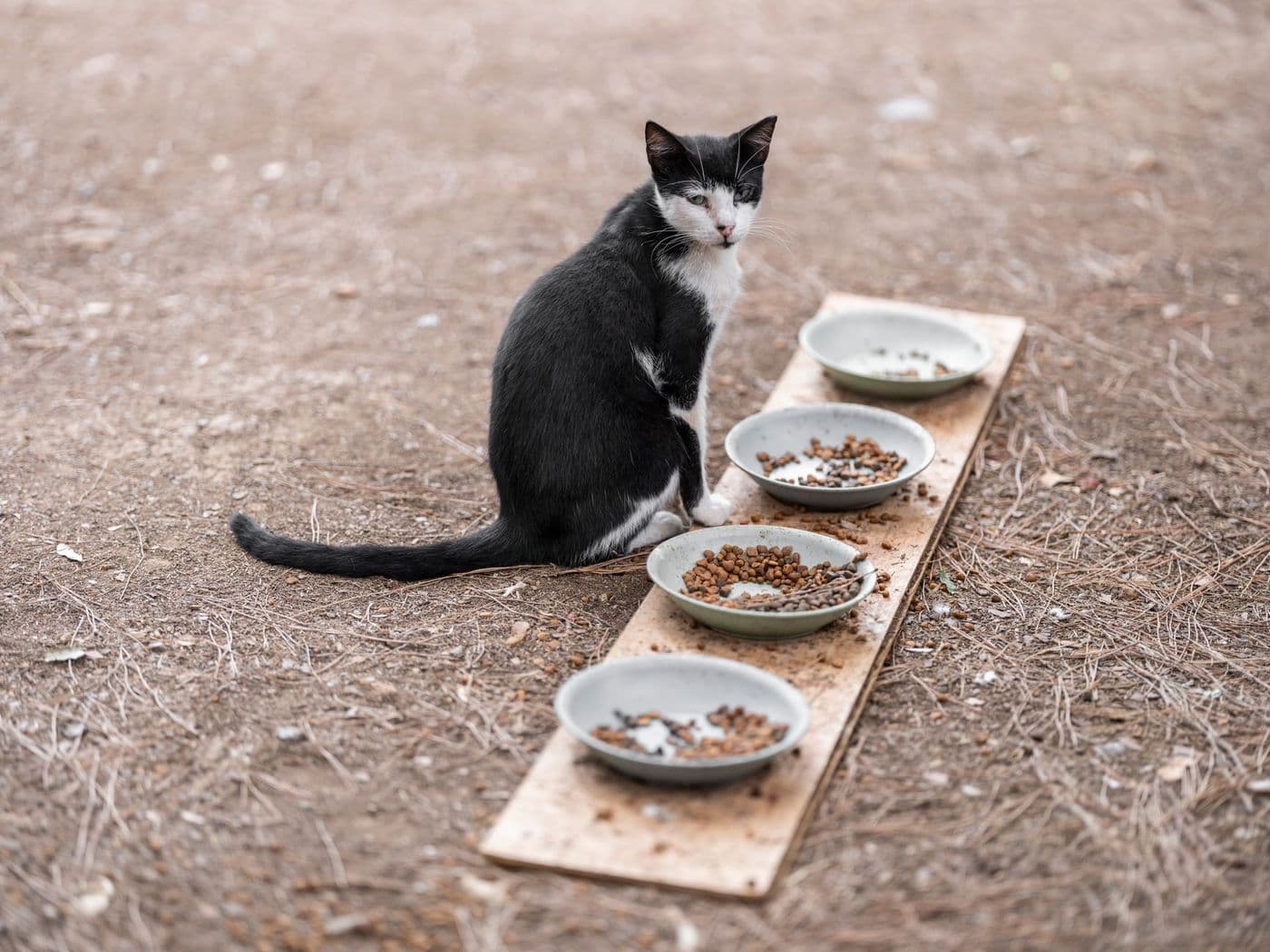
Many cats drink little because they get moisture from wet food, or because the bowl, its position or the water itself does not appeal to them. Try wide ceramic or glass bowls, fresh water, a fountain and a few stations away from food and litter. If your cat stops drinking and eating, seems lethargic, or has changed urination, call your vet promptly.
Cats evolved from animals that took most of their water from prey, so they are not strong drinkers by nature. A cat that rarely visits the bowl is not automatically in trouble, especially if the diet is moist.
Still, a sudden drop in drinking, or a cat that looks unwell, deserves attention. This guide sorts the harmless explanations from the worrying ones and shows what to try first.
First, check what your cat eats
Wet food contains far more water than kibble. A cat eating pouches or cans twice a day may look like it never drinks, simply because meals already cover much of its needs.
A cat on dry food only has to make up the difference at the bowl. If drinking looks low in that situation, it is worth acting sooner.
Common everyday reasons for drinking less
Before assuming illness, look at the setup. Cats can be particular about water.
- The bowl is narrow and presses on whiskers
- Water sits next to the food dish or the litter box
- The water is stale, dusty or smells of cleaning product
- Plastic bowls hold odors that some cats dislike
- The bowl is in a noisy, busy or exposed spot
- A dog or another cat guards the water station
Tip: Watch your cat for a day. Where do they sniff, paw at or drink from? Many cats prefer a dripping tap, a glass or a plant saucer, which tells you what they like.
Simple changes to try
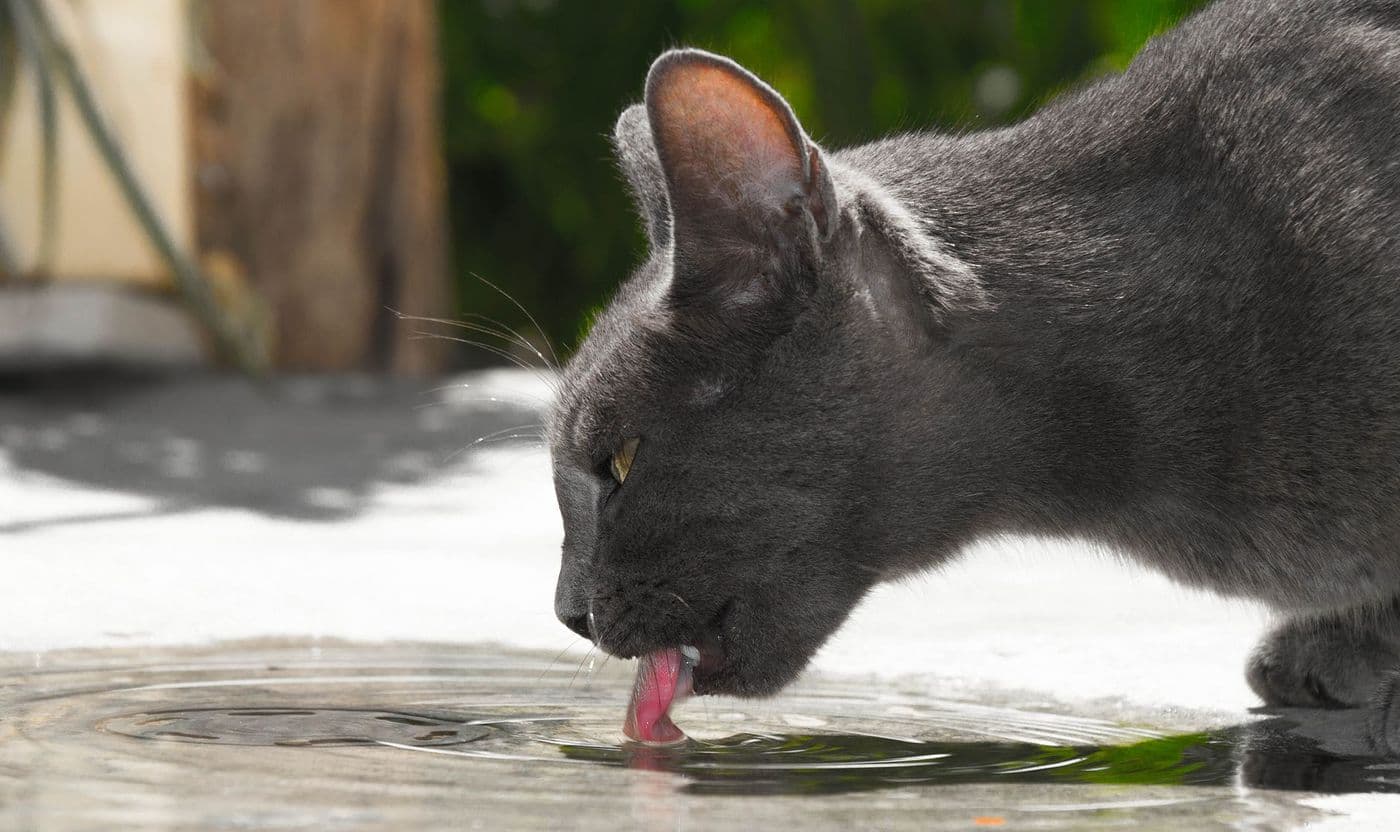
Switch to a wide, shallow bowl in ceramic, glass or stainless steel and fill it close to the brim. Wash it daily with unscented dish soap and rinse well.
Add two or three stations around the home, away from food and litter. A pet fountain can help cats who like running water; keep it clean so it does not grow a film.
Add water through food
Mixing a spoonful of warm water into wet food is an easy way to raise intake. Plain, unseasoned water is enough; never add onion, garlic or flavored broths that contain them, which are toxic to cats.
If your cat eats dry food only, ask your vet whether adding some wet meals would suit them.
When not drinking is a warning sign
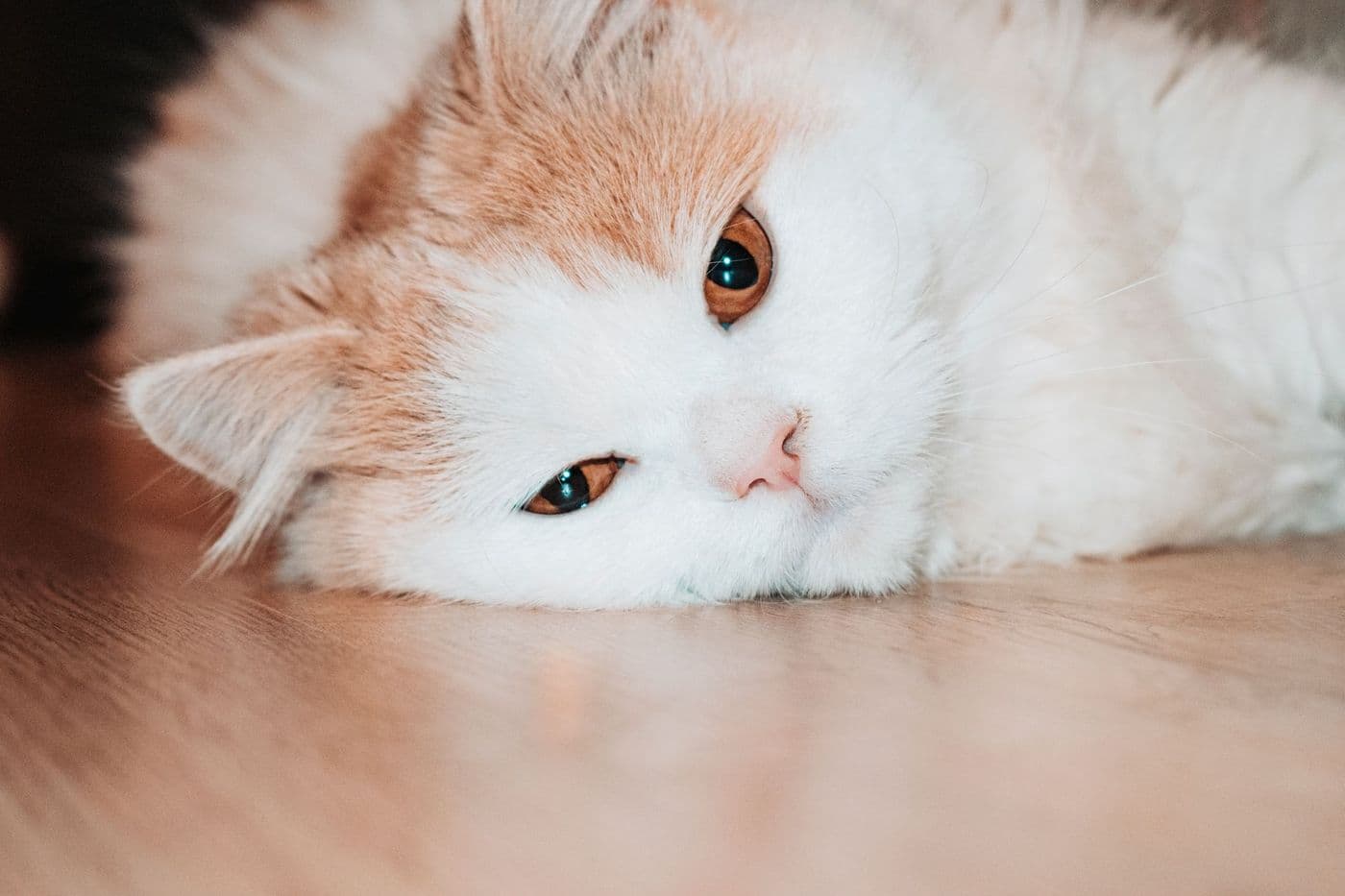
Some changes are not about preference. Contact a vet if you notice any of these:
- No drinking plus not eating for a day or more
- Lethargy, hiding or sunken eyes
- Vomiting or diarrhea
- Dry, tacky gums
- Little or no urine in the litter box, or straining to pass it
- A sudden big change in how much your cat drinks, either up or down
Tip: A cat that is straining to urinate or producing no urine needs urgent veterinary care, especially a male cat. Do not wait to see if it passes.
Seniors and kittens need extra attention
Kittens and older cats dehydrate faster and have less reserve. Mobility problems can also stop a senior cat from reaching a bowl on another floor.
Put water where older cats already spend time, with low sides that are easy to step to. If you are unsure, a quick vet check is always reasonable.
Frequently asked questions
How can I tell if my cat is dehydrated?
Tacky gums, sunken eyes, lethargy and small dark urine are possible signs. Skin that is slow to settle after a gentle lift can also be a clue, but a vet should assess it.
Is it normal for a cat on wet food to rarely drink?
Yes, it can be. Wet food supplies much of their water, so a quiet bowl is not always a problem.
Do cats prefer running water?
Many do, which is why fountains are popular. It is not universal, so offer both a bowl and a fountain and see which your cat uses.
Can I flavor water to encourage drinking?
Only with cat-safe, plain options discussed with your vet. Avoid anything containing onion, garlic or essential oils.
Advertisement
Advertisement
Sponsored: today's featured offer →General information only. Check product labels and manufacturer instructions before you start.
Keep reading
How to Switch Your Cat's Food Safely (Step-by-Step Transition)
A gradual 7 to 10 day plan for changing cat food without stomach upset, what to watch for and how to handle a picky cat who refuses the new diet.
Cat Eating Too Fast? Why It Happens and How to Slow Them Down
Why some cats gulp their food and throw it up, plus slow feeders, puzzle bowls and routine changes that help, and when a vet check is wise.
How Often Should You Feed a Cat? Schedules for Every Age
How many meals a day kittens, adult cats and seniors need, when free feeding works, and tips for building a feeding routine that suits your home.