Where to Put a Litter Box: Best (and Worst) Locations in Your Home
How to choose the best spot for a cat litter box, from quiet corners to multi-floor homes, with the placements to avoid and how to move a box.
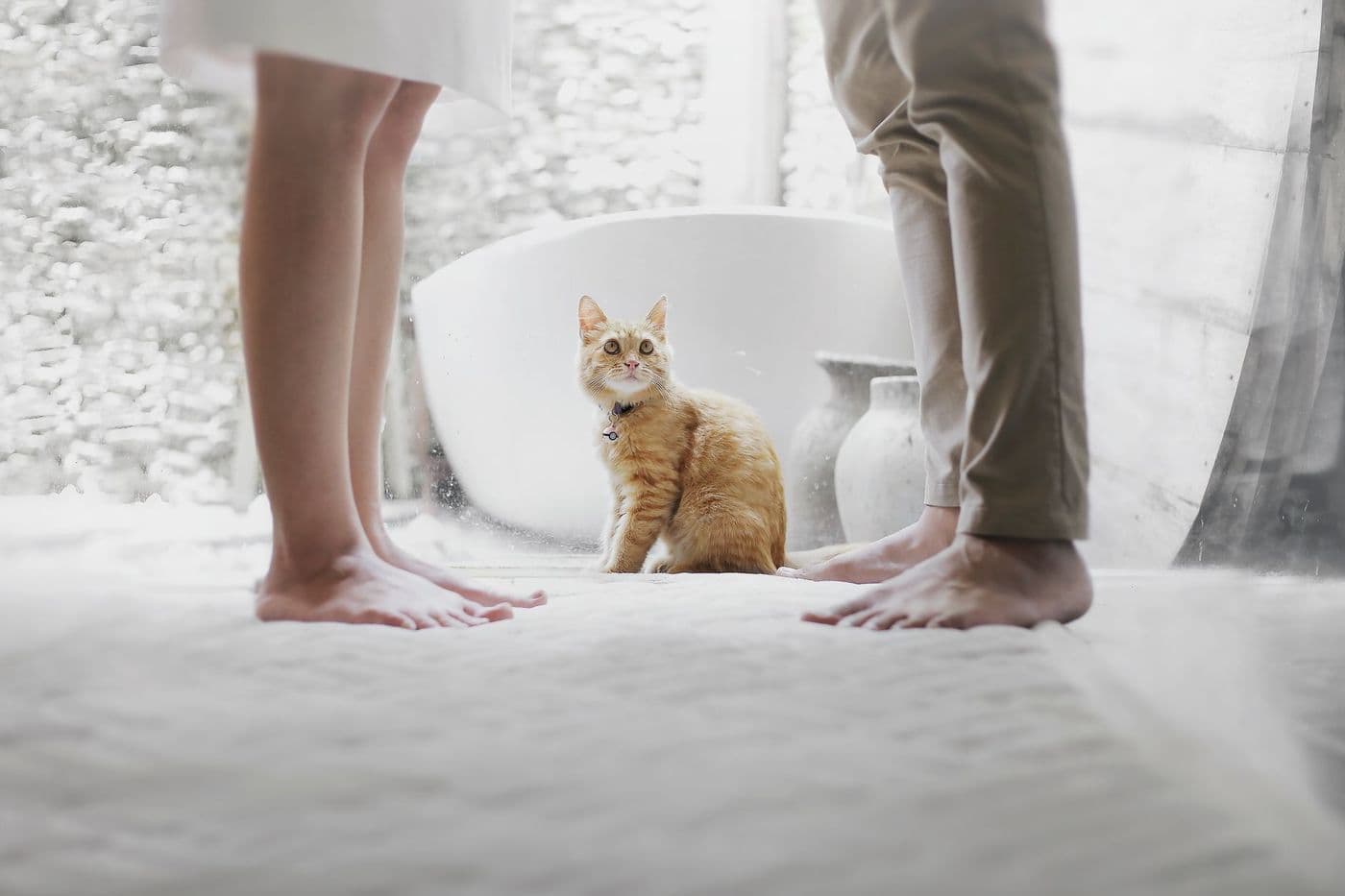
Choose a quiet, low-traffic, easy-to-reach spot away from food and water, with an escape route so the cat does not feel trapped. Good options include a spare bathroom, a hallway corner or a bedroom nook. Avoid laundry rooms with noisy machines, cramped closets and spaces next to feeding stations.
Real estate matters to cats too. A litter box in the wrong place can lead to avoidance, no matter how nice the litter is.
Think about the location from your cat's point of view: privacy, safety, access and smell. Here is how to pick well.
What cats want from a bathroom
Cats are both predator and prey, so using the toilet is a vulnerable moment. They prefer a spot where they can see approaching trouble and leave quickly.
A calm room with a clear view of the doorway often beats a hidden dead end, even if the dead end looks private to us.
Good places to try
These spots work well in many homes:
- A spare bathroom with the door propped open
- A quiet corner of a hallway
- A bedroom or office that is not heavily used
- A basement or landing with a short path from where the cat lives
- A spot on each floor of a multi-level home
Places to avoid
Next to the food bowl, because cats instinctively avoid eating near where they eliminate. Beside a washing machine or furnace, where sudden noises can startle them.
Also skip tight closets that trap odors, spots behind doors that bump the box, and areas where a dog or child can intrude.
Tip: If you must put a box in a bathroom, make sure the door cannot swing shut and that humidity or loud fans do not bother your cat.
Keep it accessible for every life stage
Kittens and older cats cannot always climb stairs quickly. A box in the basement may be fine for an agile adult, but a senior with stiff joints needs one on their main level.
A low-entry box helps cats with arthritis. Check how easily your cat can step in and out.
How to move a litter box without drama

Do it slowly. Shift the box a short distance each day toward the new location, or place a second box in the new spot and remove the old one only after your cat uses it reliably.
Keep the litter type the same during the move, so there is only one change at a time.
Managing smell in a small home
Daily scooping does more than any air freshener. Unscented litter and regular washing keep things fresh without scented products that cats dislike.
Avoid plug-in oils and diffusers near the box; many essential oils are harmful to cats.
Frequently asked questions
Can I put a litter box in the bathroom?
Yes, if the door stays open and your cat is not disturbed by noise or humidity.
Is it okay to hide the box in a cabinet?
Only if your cat uses it without trouble. Many dislike enclosed spaces with poor airflow.
How far from the food should it be?
As far as your home reasonably allows, ideally in a different room.
What if my cat stops using the new spot?
Move it back or offer a second box in the old place, and then try shifting more slowly.
Advertisement
Advertisement
Sponsored: today's featured offer →General information only. Check product labels and manufacturer instructions before you start.
Keep reading
Covered vs Open Litter Box: Which Is Better for Your Cat?
Pros and cons of covered and open litter boxes, what cats actually prefer, how to tell if your cat dislikes a hood and how to test both.

How Often Should You Change Cat Litter? A Simple Schedule
How often to scoop, when to fully replace litter and wash the box for clumping, non-clumping, crystal and natural litters, plus signs it is time.

Why Is My Cat Peeing Outside the Litter Box? Causes and First Steps
Medical, litter box and stress reasons a cat pees outside the box, what to check at home, how to clean accidents and when to see a vet.