How Often Should You Change Cat Litter? A Simple Schedule
How often to scoop, when to fully replace litter and wash the box for clumping, non-clumping, crystal and natural litters, plus signs it is time.
Scoop at least once a day. With clumping litter, a full change and box wash is typically needed every two to four weeks; non-clumping litter usually needs replacing more often, around every few days to once a week. Follow the manufacturer's guidance and change sooner if there is odor or damp litter.
A fresh litter box keeps cats comfortable and can prevent accidents elsewhere. But how often is often enough?
The honest answer is that it depends on the type of litter, the number of cats and the size of the box. Use this as a starting schedule and adjust by sight and smell.
Scoop daily, no exceptions
Removing waste once a day is the single most useful habit. Twice daily is better in multi-cat homes. Cats are fussy and many refuse a dirty box.
Daily scooping also gives you a quick look at stool and urine, which can reveal health changes early.
Full change schedule by litter type
These are typical ranges. Check your product's label and use your nose.
- Clumping clay or similar: full change about every two to four weeks with daily scooping
- Non-clumping clay: replace entirely every few days to a week
- Silica crystal: scoop solids daily, replace per the package, often every few weeks
- Plant-based (paper, corn, wheat, pine): often replaced more frequently, check the label
Tip: More cats or a smaller box mean shorter intervals. One cat in a large box can go longer than three cats sharing a small one.
How deep should the litter be
Most cats like about 5 to 8 cm (2 to 3 inches) of clumping litter. Too shallow and they cannot dig; too deep can waste litter and make clumps harder to find.
Top up after scooping to keep the level steady.
Washing the box
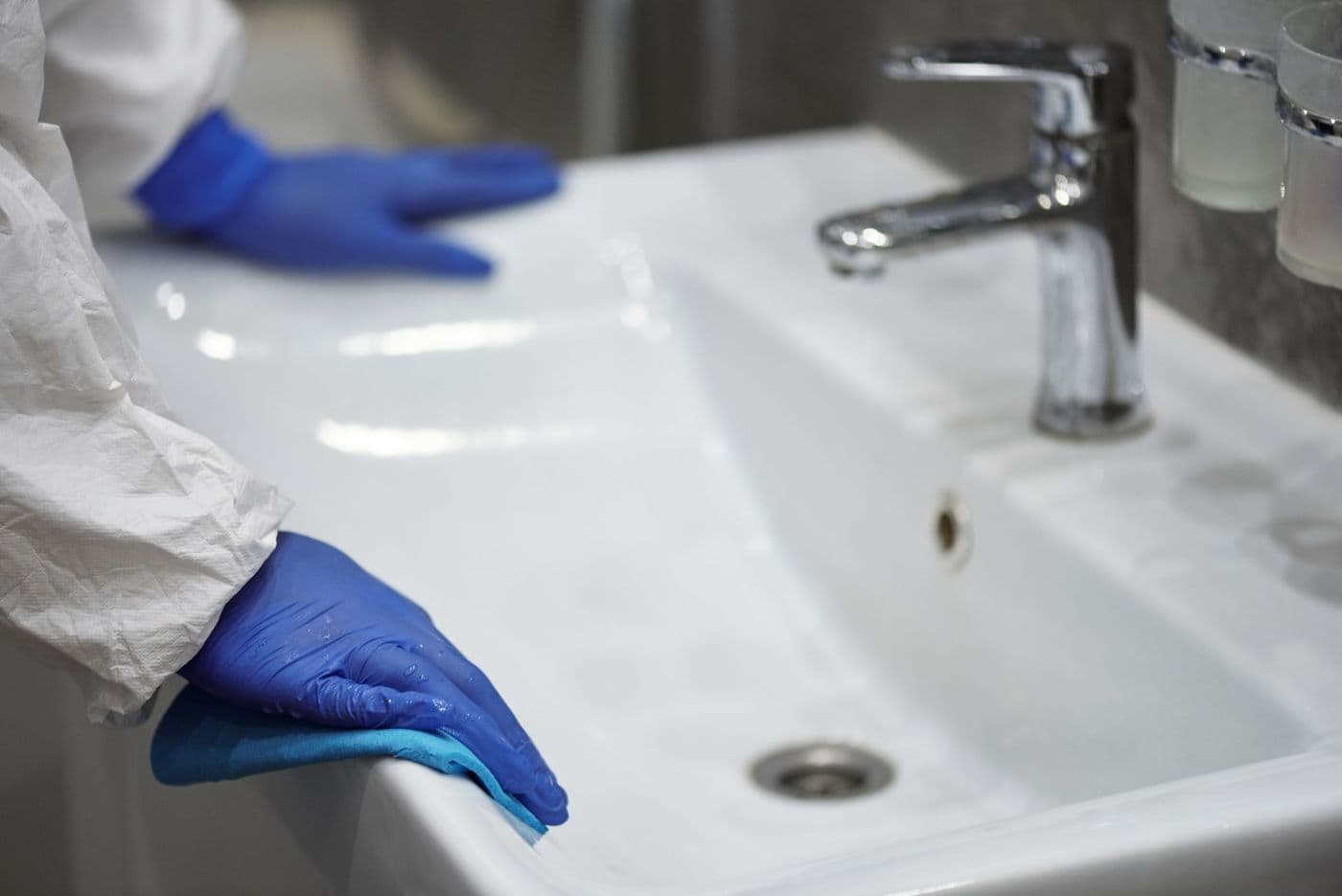
When you replace the litter, empty the box, wash with warm water and a mild unscented dish soap, rinse well and dry before refilling. Plastic absorbs odors over time, so replace old scratched boxes.
Skip bleach mixtures, ammonia cleaners and anything strongly scented. Fumes can irritate cats, and some disinfectants and essential oils are toxic.
Signs it's time to change sooner
Do not rely only on the calendar. Change litter early if you notice:
- A persistent smell even after scooping
- Wet, clumpy patches stuck to the bottom
- Dust or tracking increasing
- Your cat hesitating or scratching around the box
- Visible dirt on the walls of the box
Disposing of used litter
Bag waste and put it in household trash. Do not flush cat litter, which can clog plumbing and harm waterways.
Pregnant people should avoid handling litter where possible, because cat feces can carry a parasite called Toxoplasma; ask a doctor for guidance.
Frequently asked questions
Can I just top up without changing?
Topping up after scooping is normal, but eventually the base layer needs replacing and the box needs washing.
Is more litter always better?
No. A moderate depth works best. Too much can feel unstable and wastes product.
How do I reduce odor?
Scoop daily, keep the box clean and use unscented litter. Good ventilation helps too.
Can I flush litter labeled flushable?
Check local rules, and consider bagging it anyway, since pipes and sewage systems vary.
Advertisement
Advertisement
Sponsored: today's featured offer →General information only. Check product labels and manufacturer instructions before you start.
Keep reading
Covered vs Open Litter Box: Which Is Better for Your Cat?
Pros and cons of covered and open litter boxes, what cats actually prefer, how to tell if your cat dislikes a hood and how to test both.
Where to Put a Litter Box: Best (and Worst) Locations in Your Home
How to choose the best spot for a cat litter box, from quiet corners to multi-floor homes, with the placements to avoid and how to move a box.
Why Is My Cat Peeing Outside the Litter Box? Causes and First Steps
Medical, litter box and stress reasons a cat pees outside the box, what to check at home, how to clean accidents and when to see a vet.