Covered vs Open Litter Box: Which Is Better for Your Cat?
Pros and cons of covered and open litter boxes, what cats actually prefer, how to tell if your cat dislikes a hood and how to test both.
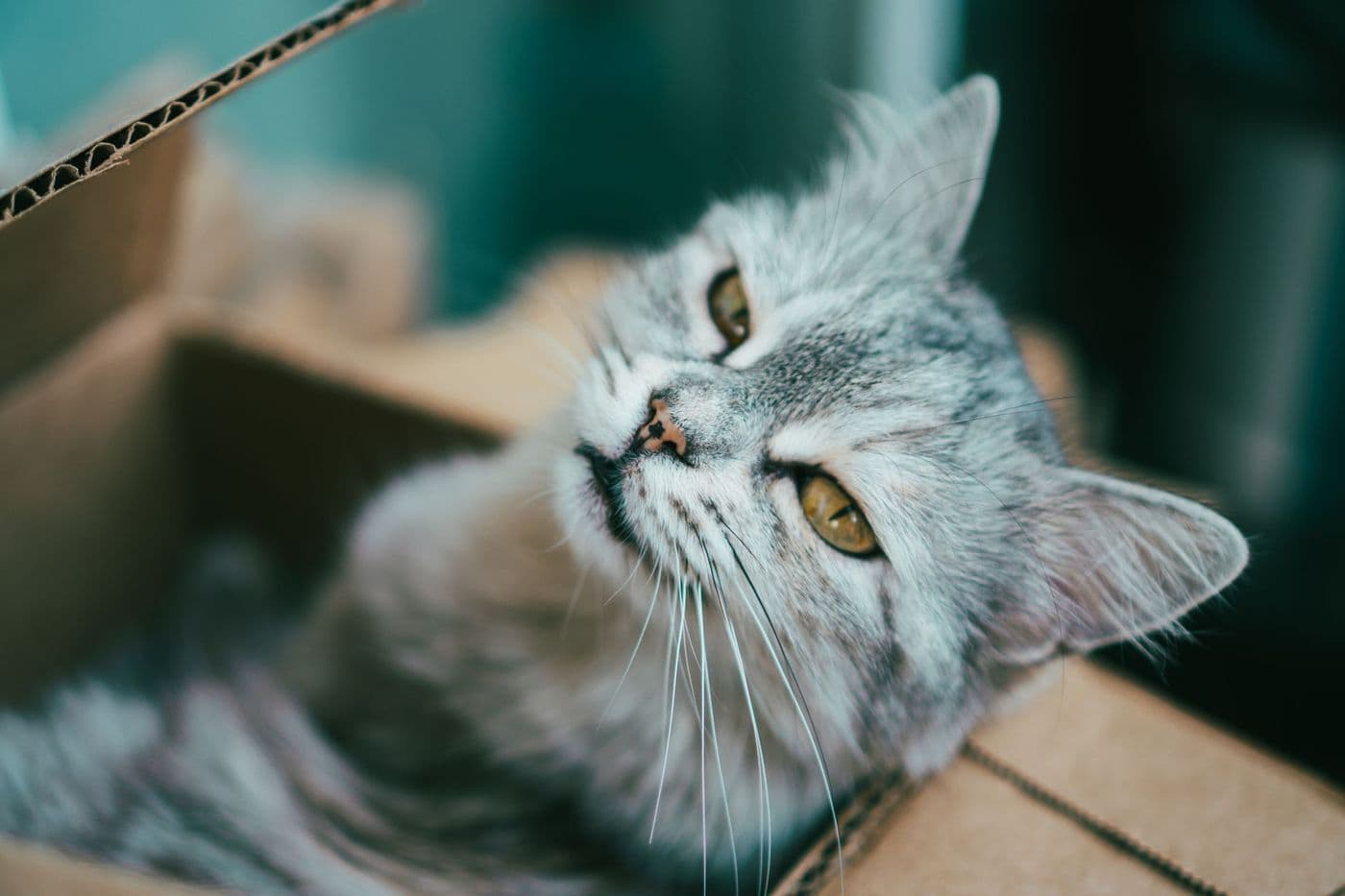
Covered boxes appeal to owners for odor and mess control, but many cats prefer open ones because they allow ventilation, easy escape and less trapped smell. The best way to know is to offer both and see which your cat uses. If you use a covered box, scoop it daily and remove any door flap if your cat hesitates.
The litter aisle sells hooded boxes as private and tidy. That is great for people, but the person using the box has a different opinion.
Neither type is wrong. What matters is your cat's comfort and your ability to keep it clean. Here is how to decide.
The case for covered boxes
Hoods hide the box from view, contain litter that gets kicked out and can reduce spray on walls.
- Less visible clutter in living areas
- Fewer litter scatters on the floor
- Some cats like the sense of privacy
- A barrier against curious dogs or toddlers
The case for open boxes
Open boxes let the cat see who is around and leave quickly. For nervous cats or multi-cat homes, that matters. They are also easier to scoop and check, so you notice problems sooner.
Air moves freely, so odors do not build up inside the way they can under a hood.
The hidden downside of hoods
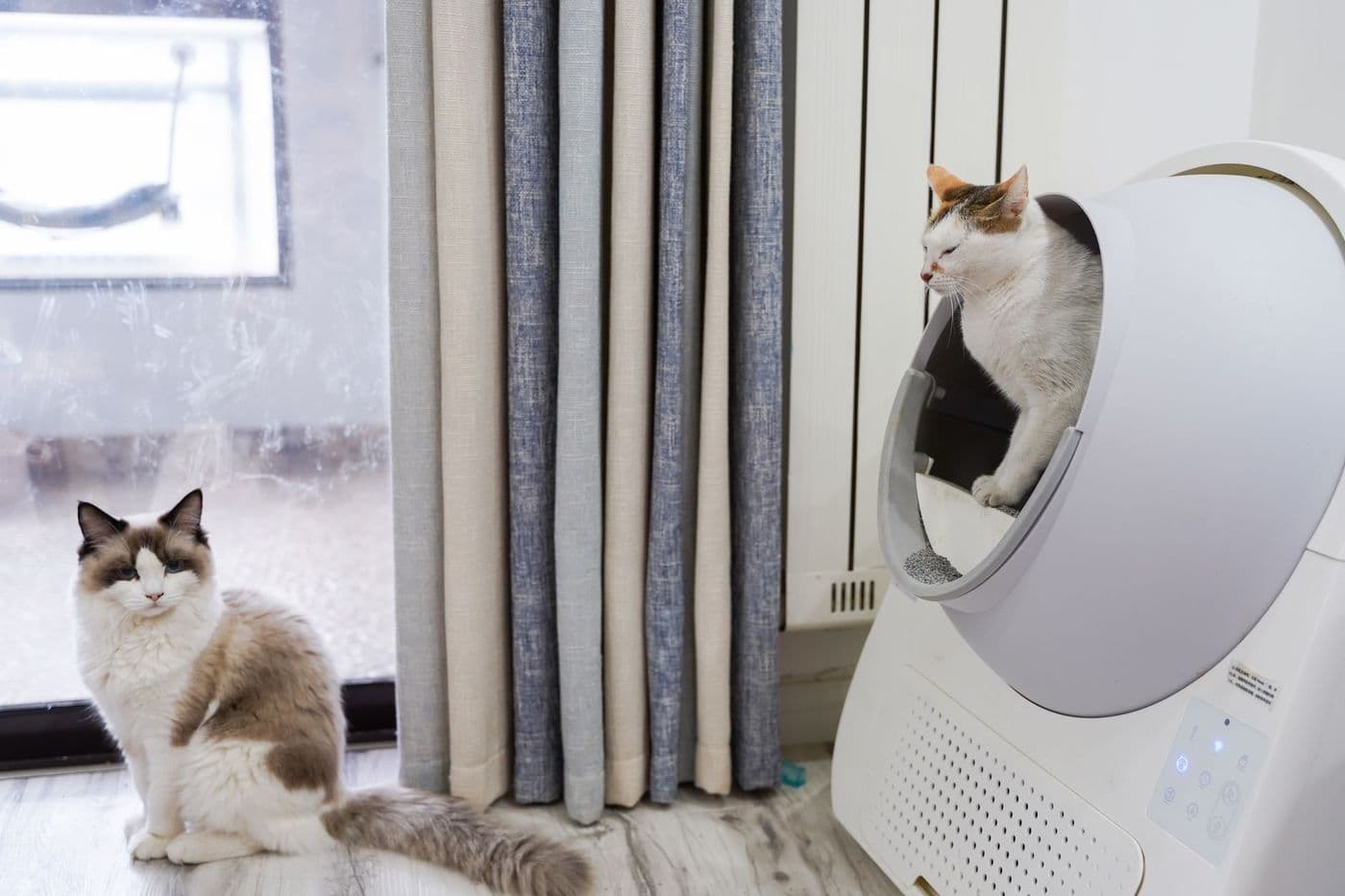
Enclosed spaces trap smell. A cat's nose is far more sensitive than ours, so a box that seems fine to us may be unpleasant inside. Owners also tend to scoop less when they cannot see the contents.
Large cats and seniors may find entrances awkward. A cat that hunches, perches on the edge or goes beside the box is telling you something.
Tip: If your cat starts avoiding a covered box, remove the lid for a couple of weeks and watch what happens.
How to run a fair test
Set up two boxes with the same litter, side by side or in separate rooms: one open, one covered. Then:
- Leave them for at least a week
- Keep both equally clean
- Note which one your cat chooses
- Remove the less-used one, or keep both in a multi-cat home
Top-entry and automatic boxes
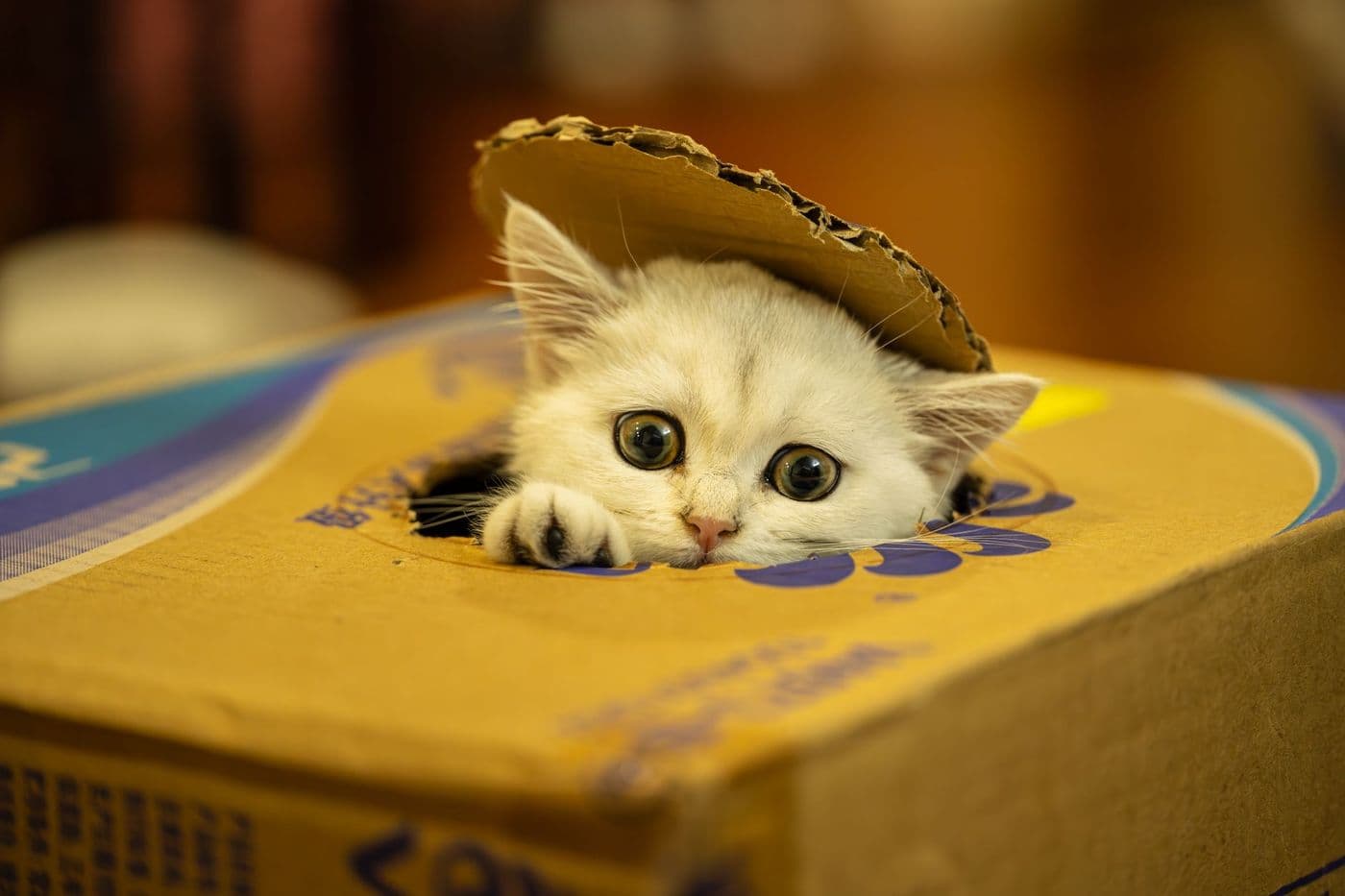
Top-entry boxes keep litter in but require jumping, which is hard for older or arthritic cats. Self-cleaning boxes are convenient, but moving parts and noise can scare some cats.
Introduce any gadget slowly, and keep an ordinary box available during the adjustment period.
Tips for a happy hooded box
Choose a roomy model, remove the flap, and put it where air can circulate. Scoop daily and wash on schedule.
Avoid air fresheners inside the hood; scented products may deter cats and some contain ingredients that are unsafe for them.
Frequently asked questions
Do covered boxes smell less?
They hide smell from people, but trap it for the cat. Cleaning frequency matters more than the cover.
Which box do vets recommend?
Many professionals suggest large, uncovered boxes as a starting point, but each cat differs.
Should I remove the flap on a hooded box?
If your cat hesitates, yes. Many cats are happier without it.
Are automatic litter boxes safe?
Choose models with safety sensors and introduce them gradually. Some cats never accept them.
Advertisement
Advertisement
Sponsored: today's featured offer →General information only. Check product labels and manufacturer instructions before you start.
Keep reading
How Often Should You Change Cat Litter? A Simple Schedule
How often to scoop, when to fully replace litter and wash the box for clumping, non-clumping, crystal and natural litters, plus signs it is time.
Where to Put a Litter Box: Best (and Worst) Locations in Your Home
How to choose the best spot for a cat litter box, from quiet corners to multi-floor homes, with the placements to avoid and how to move a box.
Why Is My Cat Peeing Outside the Litter Box? Causes and First Steps
Medical, litter box and stress reasons a cat pees outside the box, what to check at home, how to clean accidents and when to see a vet.