Cat Hairballs: Why They Happen and Safe Ways to Reduce Them
Why cats get hairballs, how brushing and diet help, which home remedies to avoid and the warning signs of a blockage that need a vet.
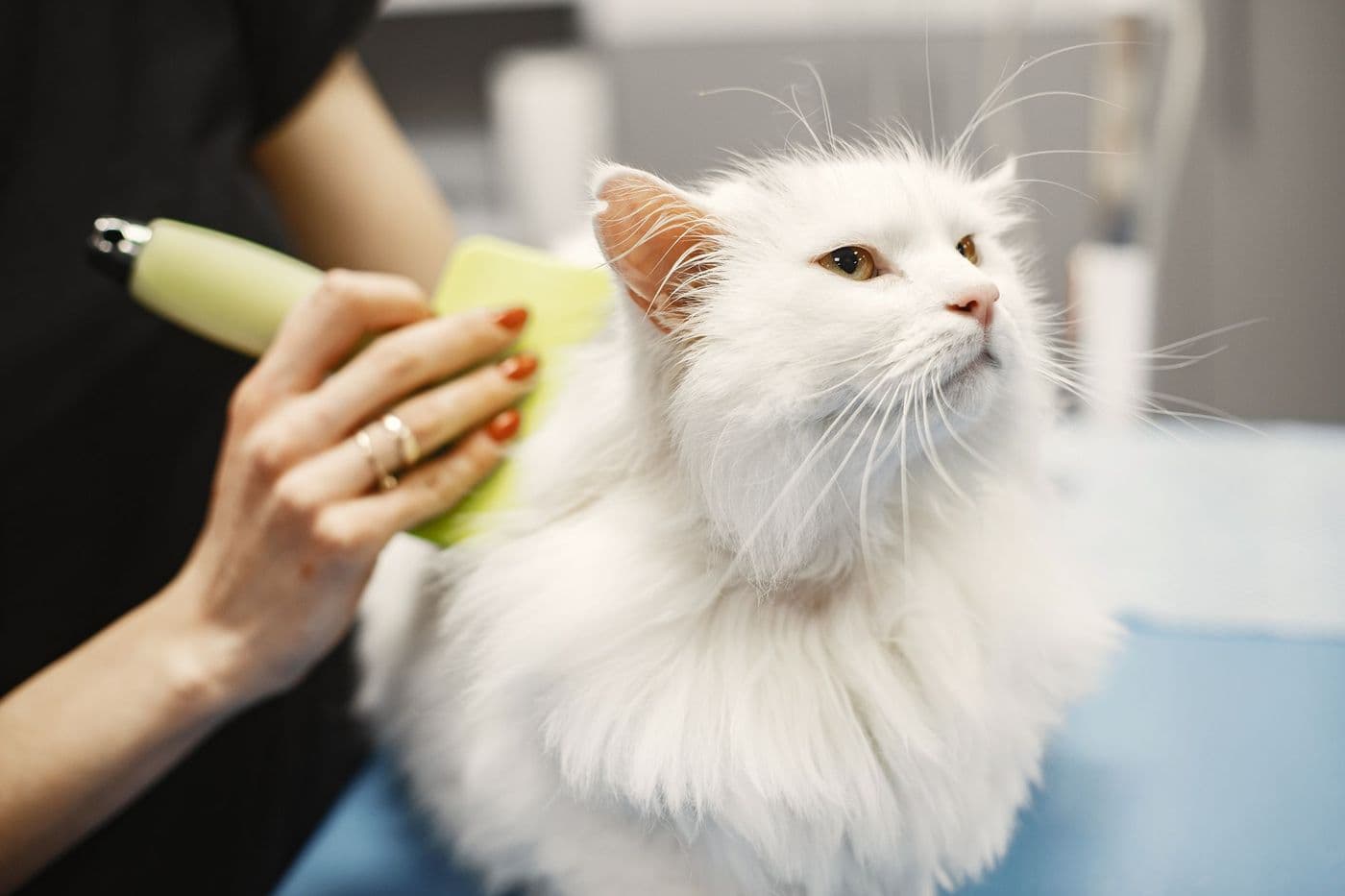
Brush your cat regularly to remove loose fur before they swallow it, keep them hydrated and ask your vet about hairball-control foods or products. Occasional hairballs are common, but frequent retching without producing anything, repeated vomiting, loss of appetite or constipation can signal a blockage and need a vet quickly.
Cats swallow loose fur whenever they groom. Most passes through the gut without trouble, but some collects in the stomach and comes back up as a damp, tube-shaped clump.
An occasional hairball is normal. Frequent ones are worth tackling, and certain symptoms need a vet. Here is how to reduce them safely.
Why cats get hairballs
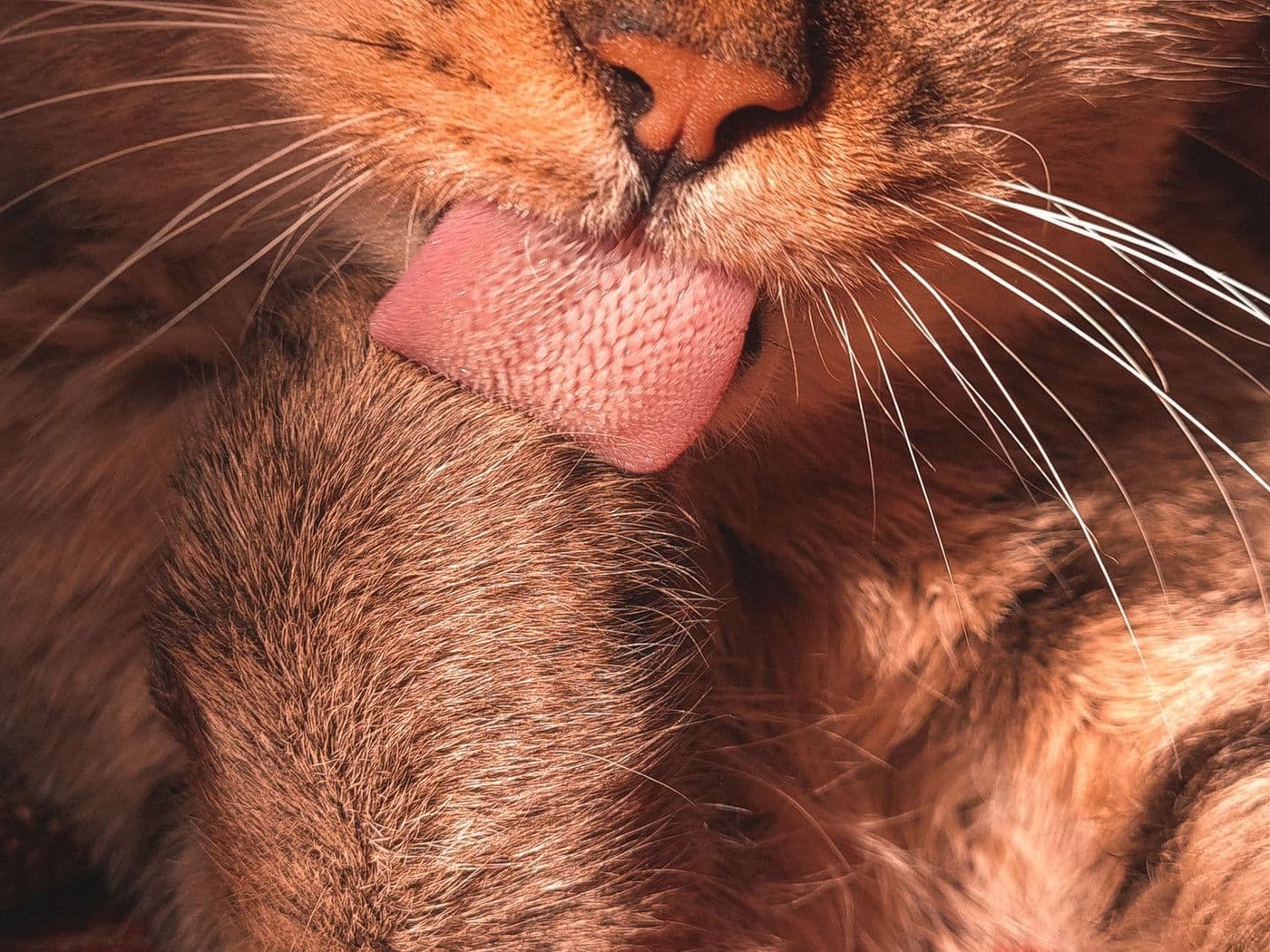
A cat's tongue is covered in tiny backward-facing barbs that pull loose hair off the coat. That hair is swallowed rather than spat out.
Long-haired cats, heavy shedders and over-groomers tend to produce more. Seasonal shedding in spring and autumn increases the risk.
Brushing is the best prevention
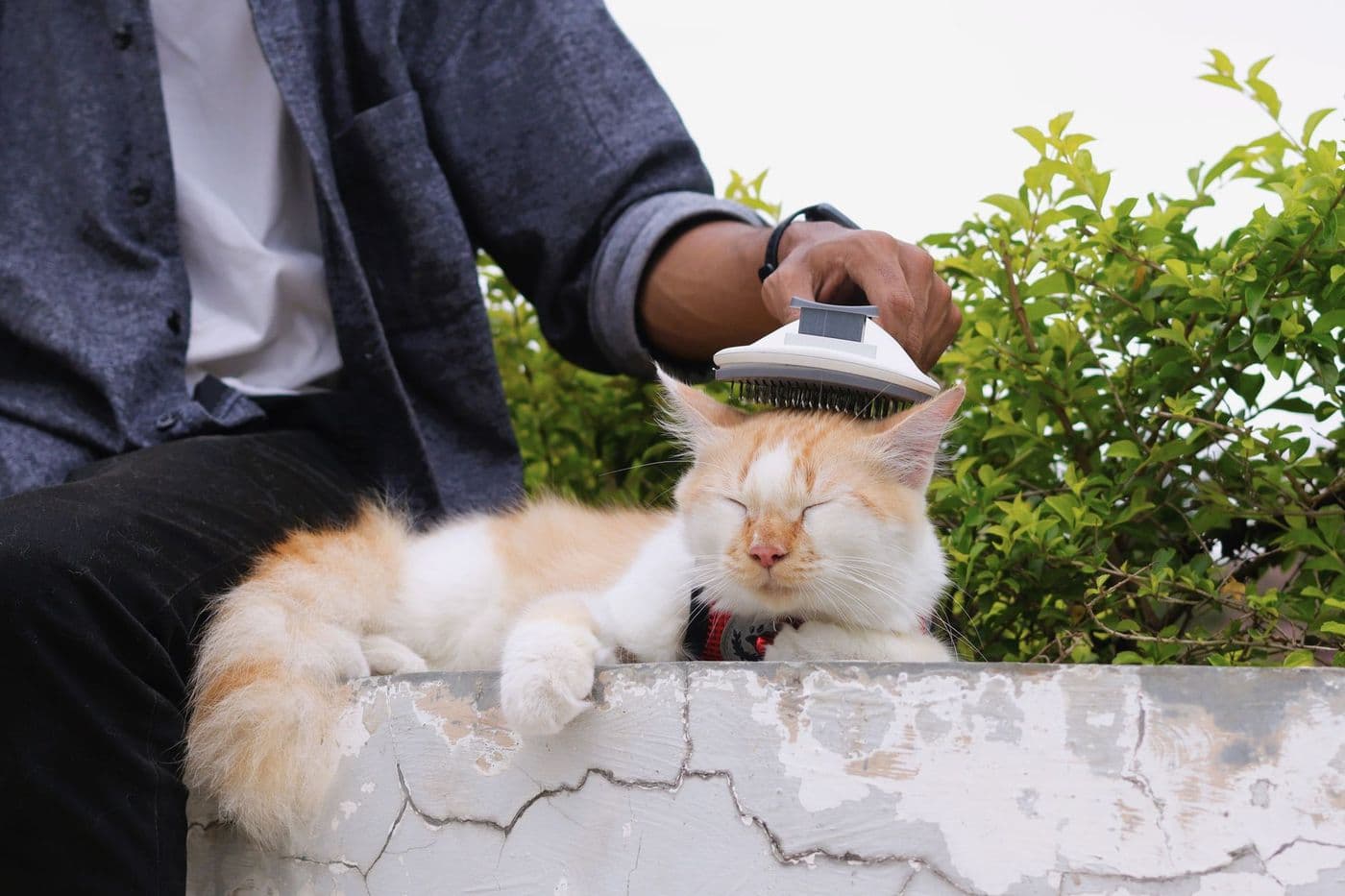
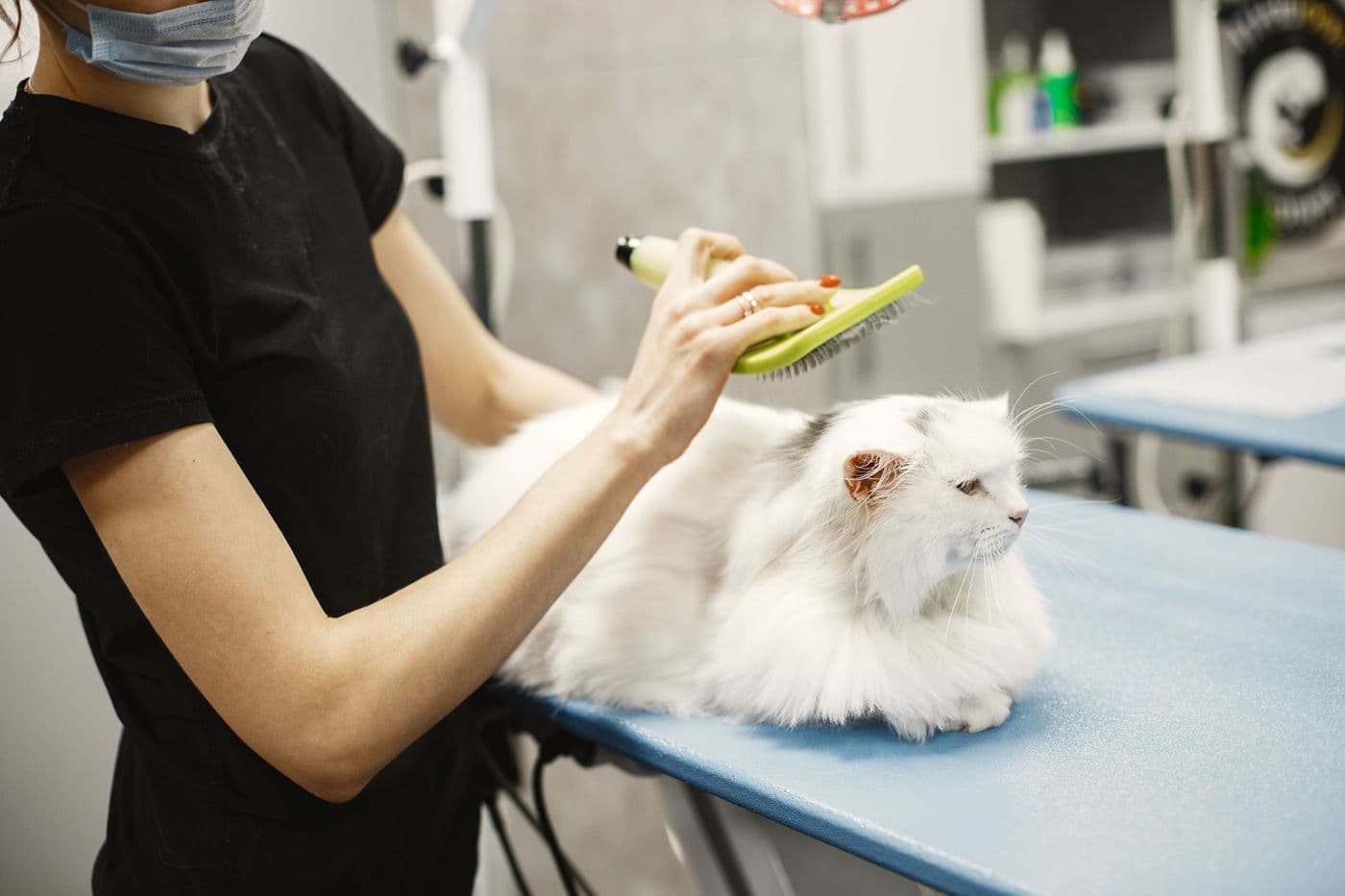
Every strand you brush out is one your cat will not swallow. Short-haired cats benefit from a weekly brushing, while long-haired cats often need daily sessions.
Choose a brush suited to the coat: a soft rubber brush or grooming glove for short hair, a wide-toothed comb or slicker for long hair.
Tip: Keep sessions short and pleasant. Stroke gently, stop before your cat gets irritated and finish with a treat.
Diet and hydration
Good hydration helps food and fur move through the gut. Wet food and a fountain can support this.
Some foods are made for hairball control with added fiber. Ask your vet whether one suits your cat, particularly if your cat has other health needs.
Over-the-counter products and home remedies
Hairball gels and treats exist, but they are not right for every cat. Ask your vet which product, if any, is suitable and how to use it, rather than guessing.
Avoid improvised remedies like butter, cooking oils or human laxatives. They can upset the stomach, cause diarrhea or add calories, and some are unsafe. Never use essential oils.
Over-grooming can be a clue
If your cat grooms constantly or has bald patches, stress, allergies, skin problems or pain might be behind it. More grooming means more swallowed hair.
A vet check is useful when grooming seems compulsive or the skin looks red.
Warning signs of a blockage
See a vet promptly if your cat shows:
- Repeated retching or gagging with no hairball produced
- Vomiting more than once or twice
- Loss of appetite or lethargy
- Constipation or straining
- A swollen, painful belly
Frequently asked questions
How often is too often for hairballs?
Many vets consider more than one a week or a sudden increase worth a check.
Do short-haired cats get hairballs?
Yes, though usually fewer than long-haired breeds.
Can I give my cat oil or butter?
No. Ask your vet for safe options.
Is retching always a hairball?
No. Asthma, digestive issues and other conditions can look similar, so see a vet if it persists.
Advertisement
Advertisement
Sponsored: today's featured offer →General information only. Check product labels and manufacturer instructions before you start.
Keep reading
Signs Your Cat Might Be Sick: 12 Changes Worth a Vet Call
Subtle and obvious signs a cat may be unwell, from appetite and litter box changes to breathing and hiding, plus which ones are emergencies.
How Often Should You Brush a Cat? Coat Care by Hair Type
How often to brush short-haired, long-haired and senior cats, the best brush for each coat, how to handle mats and when grooming signals a problem.

How to Brush Your Cat's Teeth (And Why It Matters)
Why dental care matters for cats, how to introduce a toothbrush step by step, which toothpaste is safe and signs of dental disease to watch for.