Signs Your Cat Might Be Sick: 12 Changes Worth a Vet Call
Subtle and obvious signs a cat may be unwell, from appetite and litter box changes to breathing and hiding, plus which ones are emergencies.
Cats hide illness, so changes in eating, drinking, litter box habits, behavior, breathing or grooming matter. Contact your vet if your cat stops eating for a day, vomits repeatedly, strains to urinate, breathes with effort or hides and seems lethargic. When in doubt, call: early checks are easier than late emergencies.
In the wild, showing weakness invites predators, so cats are experts at pretending to be fine. By the time a problem is obvious, it may have been developing for a while.
The best tool is knowing what is normal for your cat and noticing change. This list is general information, not a diagnosis, and your vet is always the right person to ask.
Appetite and thirst changes
Eating much less, refusing food for a day, or suddenly eating far more can all be signs of trouble. So can drinking noticeably more or less than usual.
Excess thirst combined with a lot of urination is worth mentioning to your vet, since several conditions cause it.
Litter box changes
The litter box is a health report. Watch for:
- Straining, crying or frequent trips with little urine
- Blood in urine or stool
- Diarrhea or constipation lasting more than a day or two
- Going outside the box suddenly
- Much larger or smaller clumps than usual
Tip: A cat, especially a male, straining to urinate with little or nothing coming out may have a blockage. Treat this as an emergency.
Behavior and energy
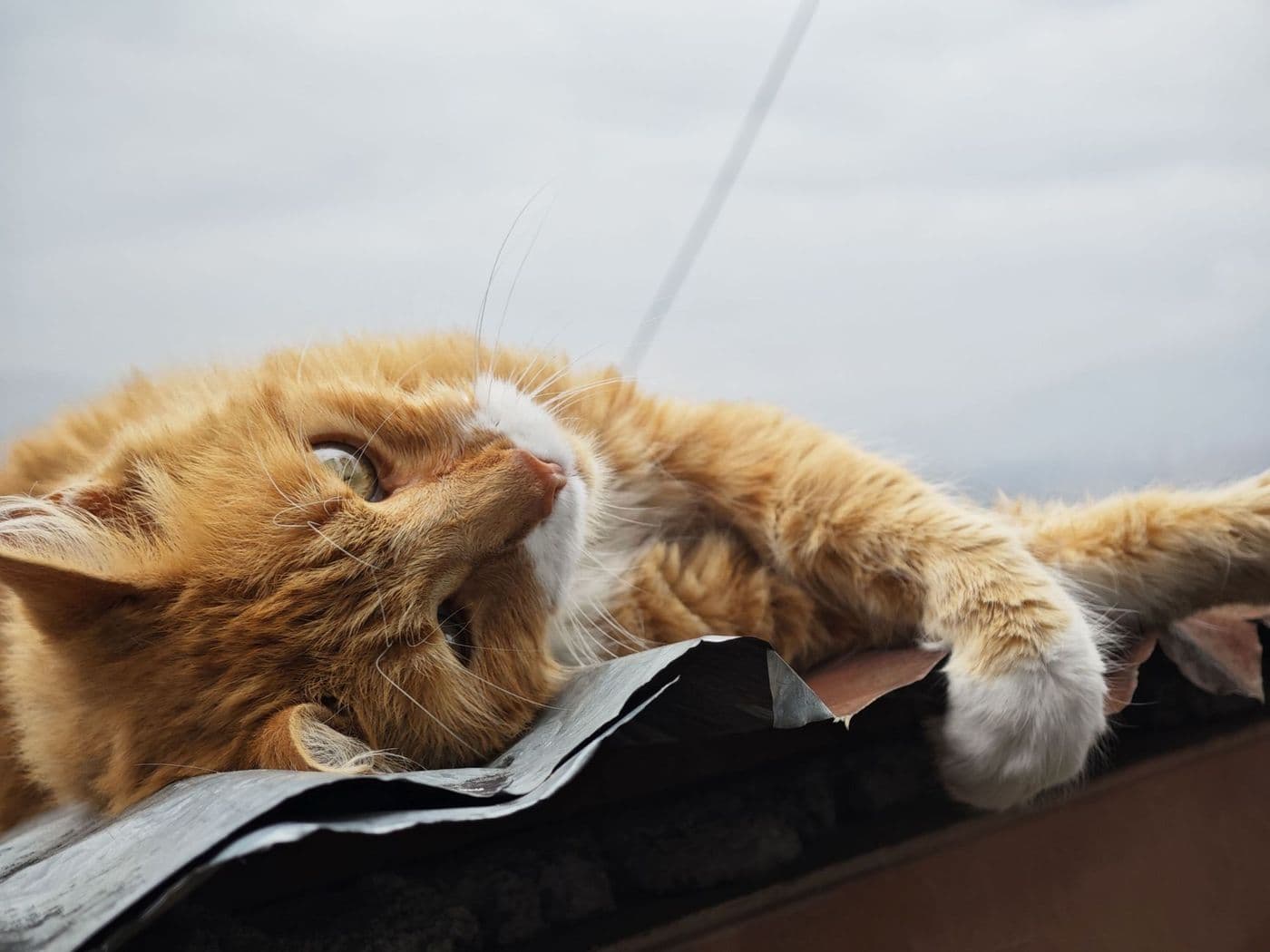
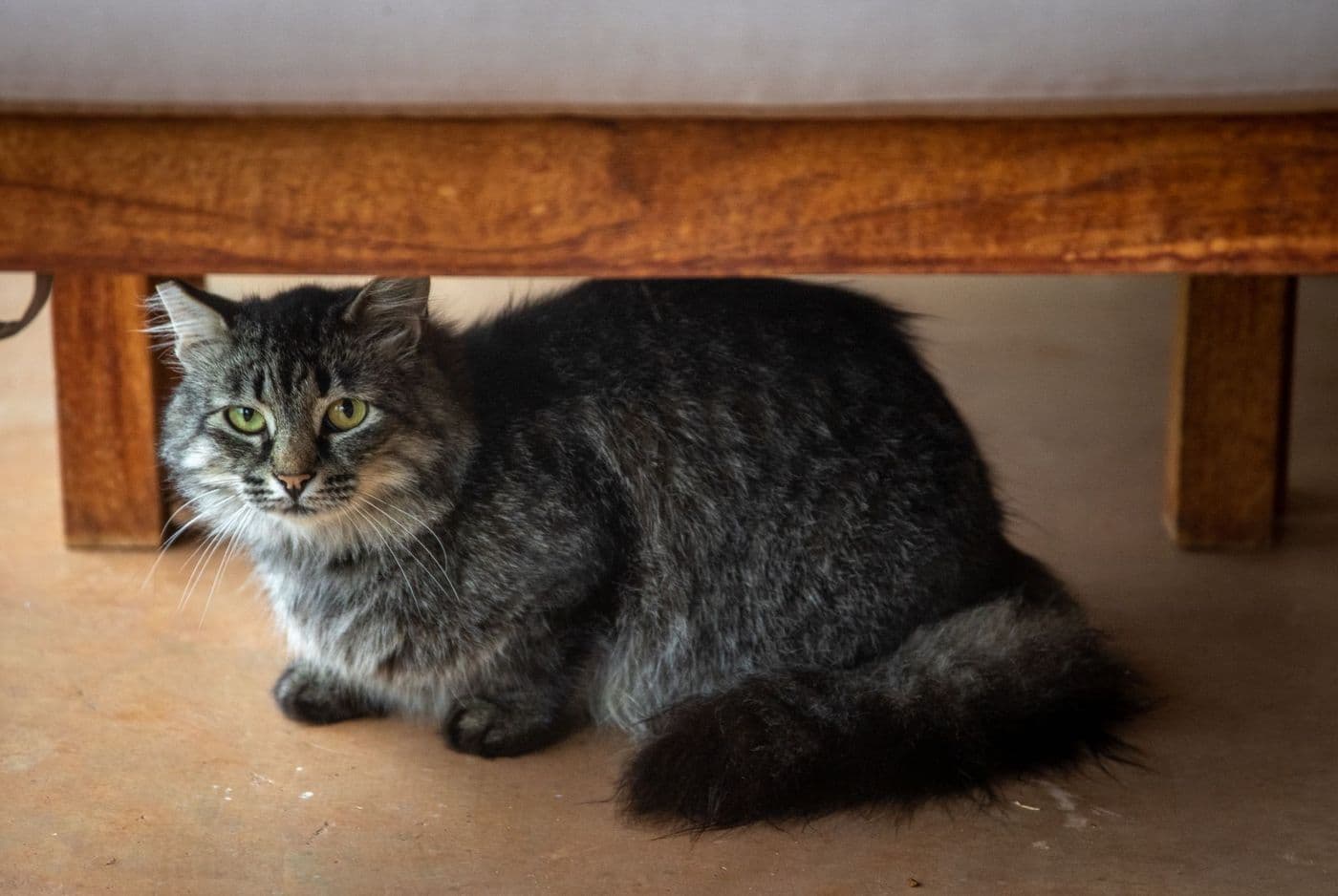
Hiding, sleeping more, avoiding favorite people or becoming irritable can mean pain or illness. So can new aggression when touched in a certain area.
Older cats are often assumed to be slowing down, but reduced jumping or stiffness could be treatable arthritis.
Breathing, coughing and vomiting
Open-mouth breathing, fast breathing at rest, wheezing or blue-tinged gums need urgent care. Persistent coughing should be checked too.
One hairball is common, but repeated vomiting, vomiting with lethargy or blood, or retching with nothing produced needs a vet.
Coat, skin and eyes
A dull, greasy or matted coat, new bald patches, constant scratching, discharge from eyes or nose, squinting or a visible third eyelid can reflect illness or pain.
Bad breath, drooling or dropping food hint at dental trouble.
Emergency signs: don't wait
Go to a vet or emergency clinic right away if your cat shows:
- Trouble breathing
- Collapse, seizures or sudden inability to use the back legs
- Straining to urinate with no output
- Possible poisoning, including contact with lilies, medicines or antifreeze
- Severe, ongoing vomiting or bleeding
- Sudden loss of vision or severe pain when touched
Frequently asked questions
How do I know if my cat is in pain?
Look for hiding, hunched posture, reduced grooming, changes in appetite, irritability and reluctance to jump. A vet can assess pain properly.
Should I wait to see if it passes?
For mild, short-lived issues, a day of watching may be fine, but call sooner for kittens, seniors or serious signs.
Can I give human medicine?
No. Many human medicines, including common painkillers, are dangerous to cats.
How often should a healthy cat see a vet?
Most vets recommend at least an annual check, more often for seniors.
Advertisement
Advertisement
Sponsored: today's featured offer →General information only. Check product labels and manufacturer instructions before you start.
Keep reading
How Often Should You Brush a Cat? Coat Care by Hair Type
How often to brush short-haired, long-haired and senior cats, the best brush for each coat, how to handle mats and when grooming signals a problem.
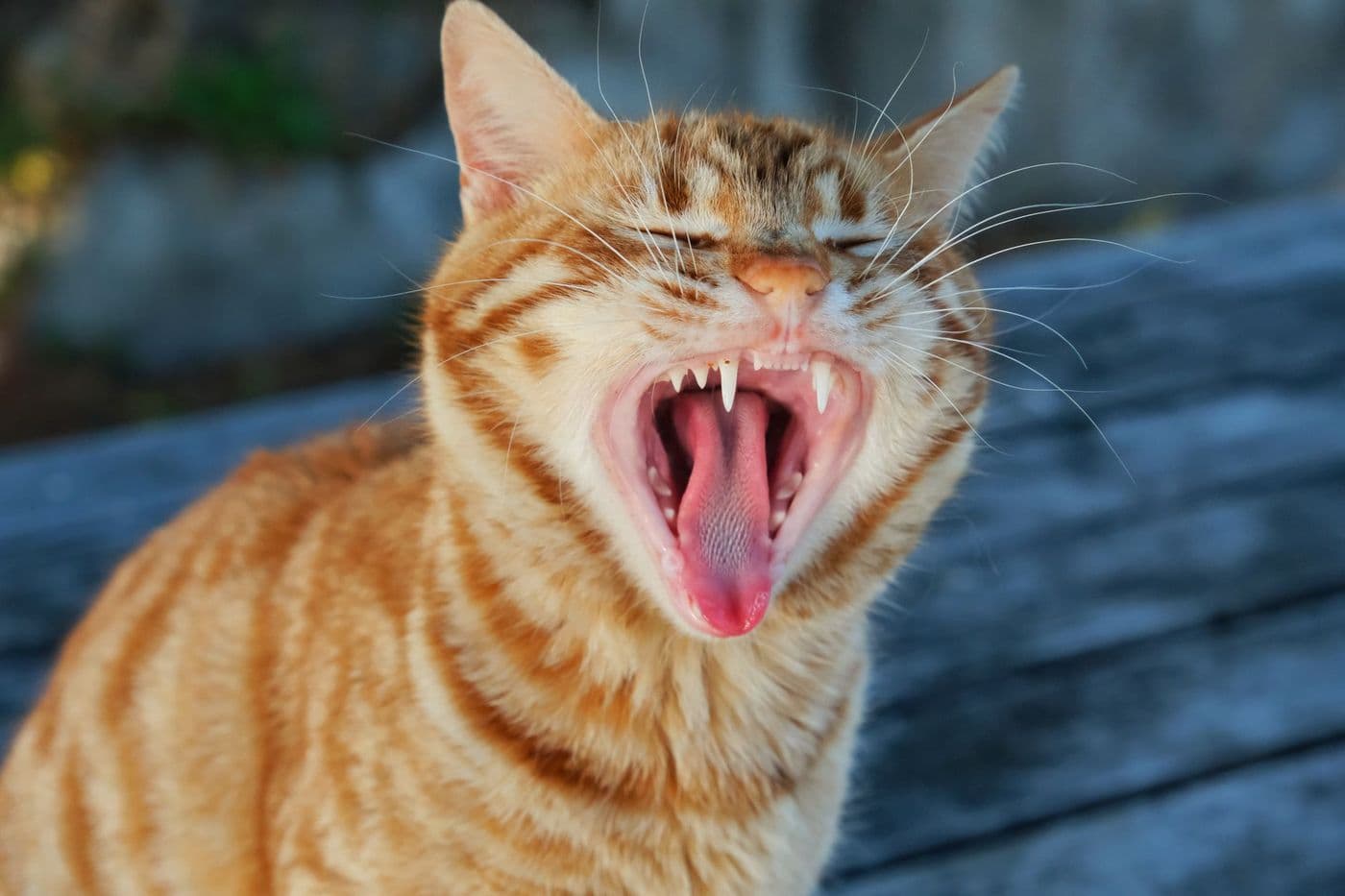
How to Brush Your Cat's Teeth (And Why It Matters)
Why dental care matters for cats, how to introduce a toothbrush step by step, which toothpaste is safe and signs of dental disease to watch for.
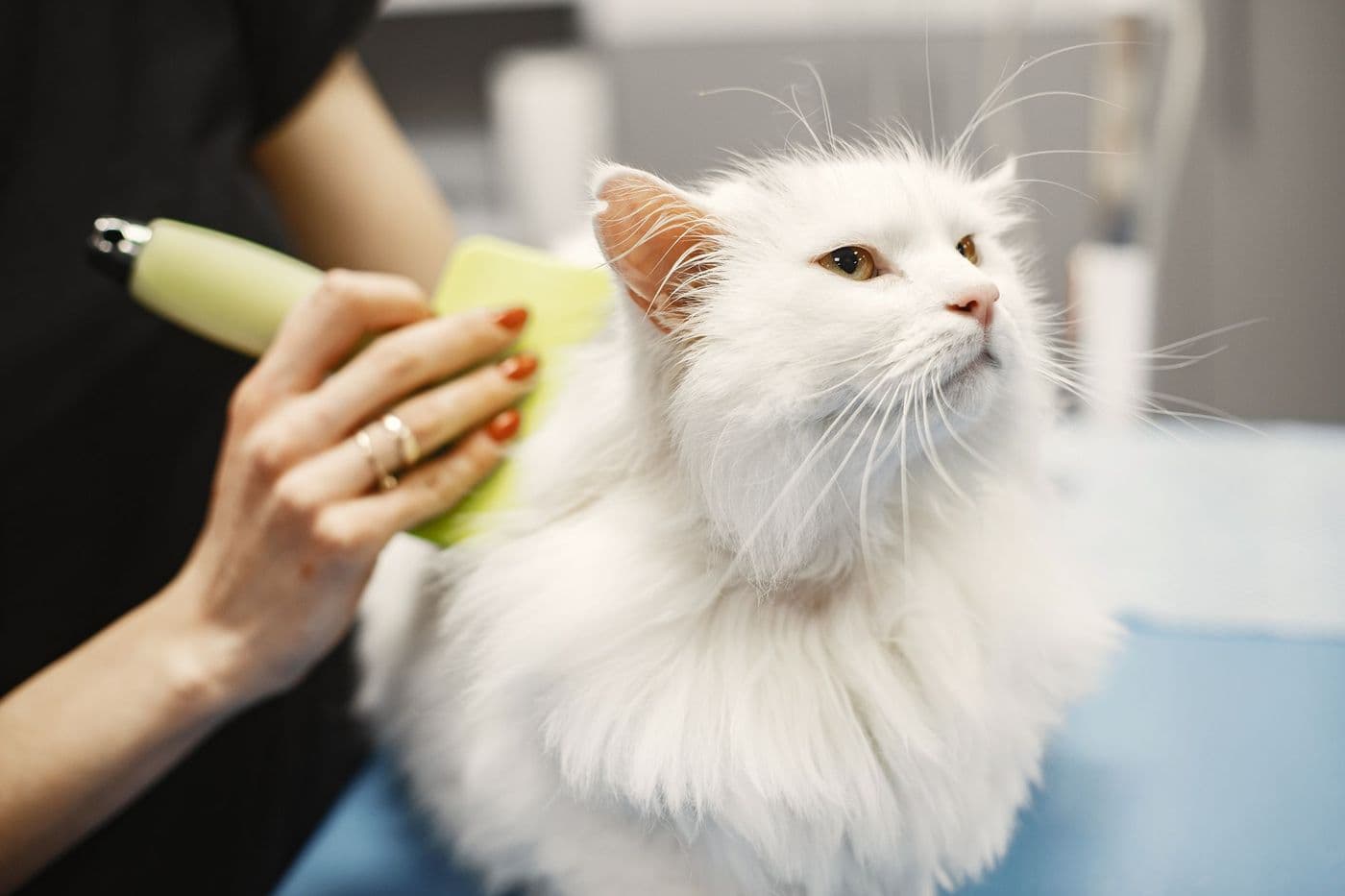
Cat Hairballs: Why They Happen and Safe Ways to Reduce Them
Why cats get hairballs, how brushing and diet help, which home remedies to avoid and the warning signs of a blockage that need a vet.