How Often Should You Brush a Cat? Coat Care by Hair Type
How often to brush short-haired, long-haired and senior cats, the best brush for each coat, how to handle mats and when grooming signals a problem.
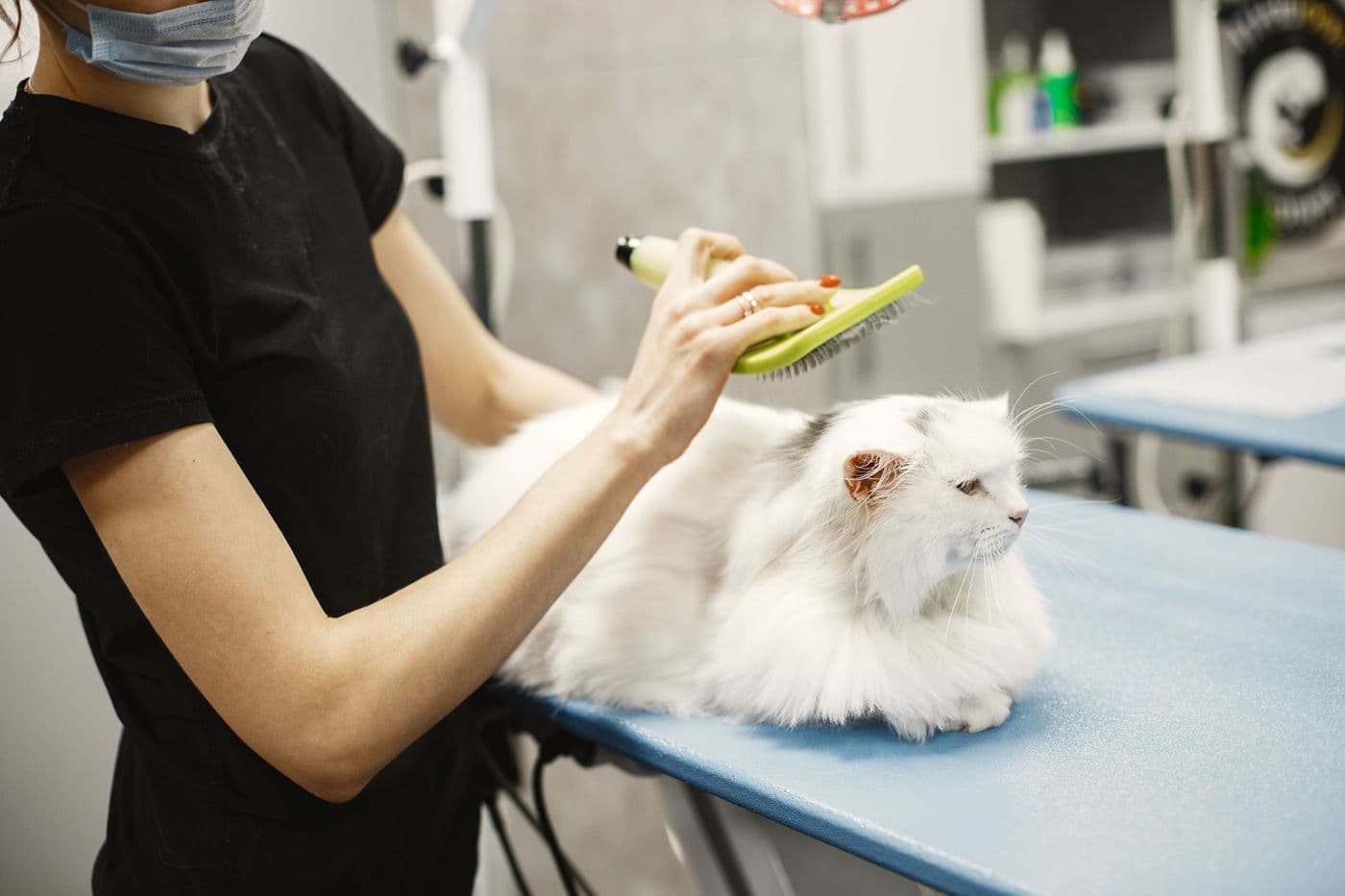
Short-haired cats usually do well with a brush once or twice a week, while long-haired cats often need brushing every day to prevent mats. Seniors, overweight cats and heavy shedders may need extra help. Use gentle strokes, a suitable brush and stop if your cat gets stressed.
Cats groom themselves, but they cannot reach everything, and some coats need human help. Brushing also reduces hairballs and gives you a chance to check skin and body.
How often depends on coat length, age and health. Here is a practical guide.
Short-haired cats
Once or twice a week is often enough to remove loose hair and spread natural oils. During heavier shedding seasons, a few extra quick sessions help.
A rubber brush, grooming glove or soft bristle brush feels like petting, which many cats enjoy.
Long-haired cats
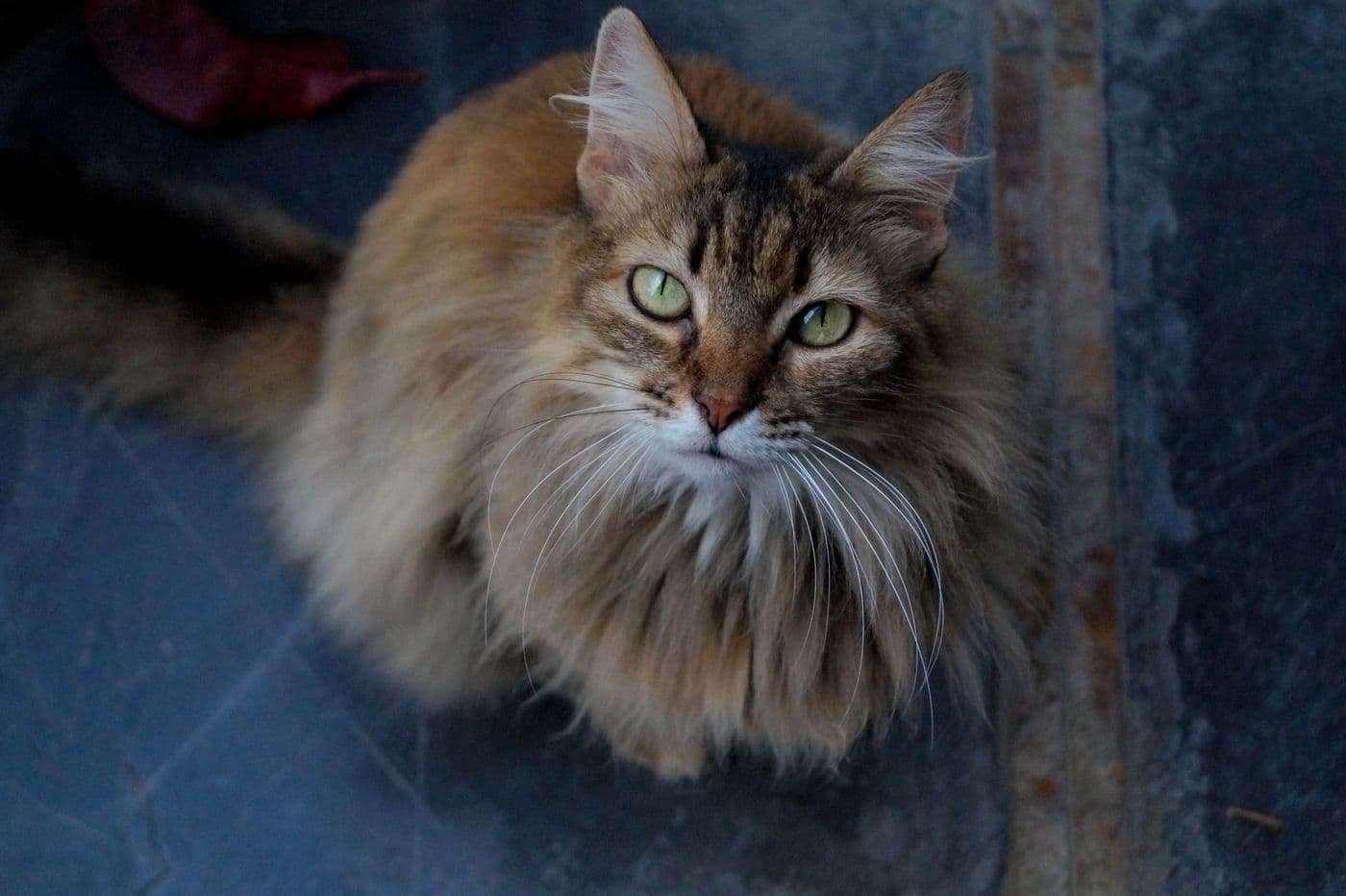
Long coats tangle easily, particularly behind the ears, under the legs and around the belly and tail. Daily brushing keeps small knots from becoming mats.
Use a wide-toothed comb or slicker brush, working in layers and gently teasing through tangles rather than pulling.
Tip: Mats close to the skin can be painful and hide skin problems. Do not cut them with scissors; a groomer or vet can remove them safely.
Seniors and cats who cannot groom well
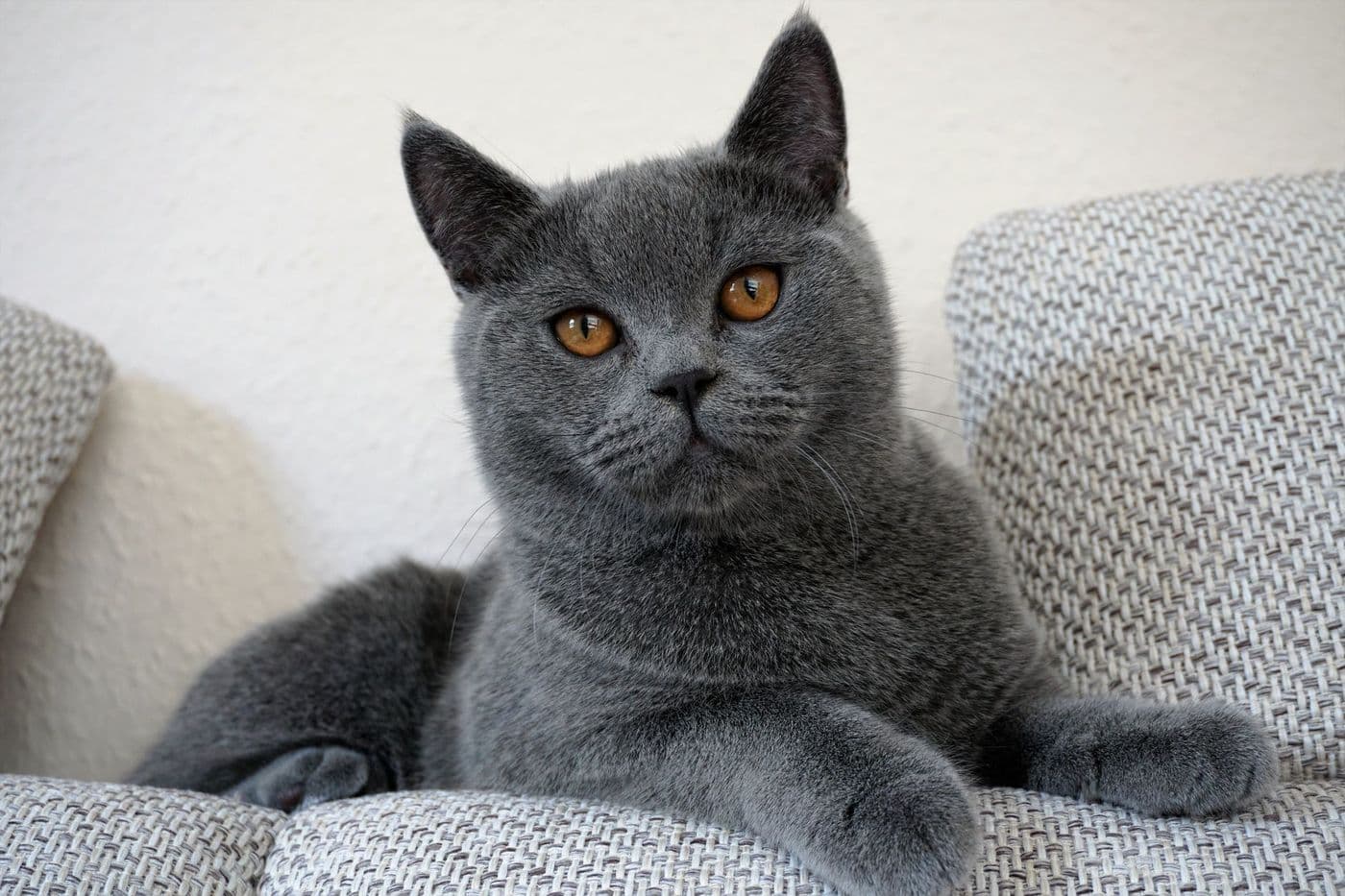
Older cats, overweight cats and those with arthritis often groom less, so the coat gets greasy or matted. They may need brushing more often, with softer tools and gentle handling.
Pay attention to the back and base of the tail, where unkempt fur is a sign that self-grooming is getting hard.
Make it enjoyable
Cats accept brushing when it is brief and rewarding.
- Start with a few strokes in a favorite spot
- Brush in the direction of hair growth
- Avoid the belly and tail base if your cat dislikes it
- Offer treats during and after
- Stop before your cat gets irritated
Bathing and wipes
Most cats rarely need baths. When they do, use a product made for cats and rinse thoroughly. Avoid human shampoos and anything with essential oils, since some are toxic.
Pet-safe grooming wipes can freshen fur between brushings.
When grooming points to a health problem
Sudden greasy or unkempt fur, bald patches, scabs, excess dandruff or obsessive licking can signal pain, allergies, parasites or stress. Fleas, skin infections and other issues may need treatment.
Book a vet visit if you notice any of these, particularly if your cat also seems unwell.
Frequently asked questions
Can I brush too much?
Gentle brushing is fine. Over-brushing in one spot can irritate the skin.
My cat bites when brushed. What should I do?
Shorten sessions, change tools, and watch for body language that signals discomfort. Check for pain with your vet.
Do hairless cats need grooming?
Yes, they often need skin care and bathing; ask a vet or breeder for guidance.
How do I remove a small mat?
Hold the fur at the base, gently tease with a comb, and use a groomer or vet if it is tight.
Advertisement
Advertisement
Sponsored: today's featured offer →General information only. Check product labels and manufacturer instructions before you start.
Keep reading
Signs Your Cat Might Be Sick: 12 Changes Worth a Vet Call
Subtle and obvious signs a cat may be unwell, from appetite and litter box changes to breathing and hiding, plus which ones are emergencies.
How to Brush Your Cat's Teeth (And Why It Matters)
Why dental care matters for cats, how to introduce a toothbrush step by step, which toothpaste is safe and signs of dental disease to watch for.
Cat Hairballs: Why They Happen and Safe Ways to Reduce Them
Why cats get hairballs, how brushing and diet help, which home remedies to avoid and the warning signs of a blockage that need a vet.