How Much Water Should a Cat Drink a Day? (And How to Get Them Drinking More)
How much water cats need, why dry-food cats drink more, signs of dehydration and simple ways to get a cat drinking more water.
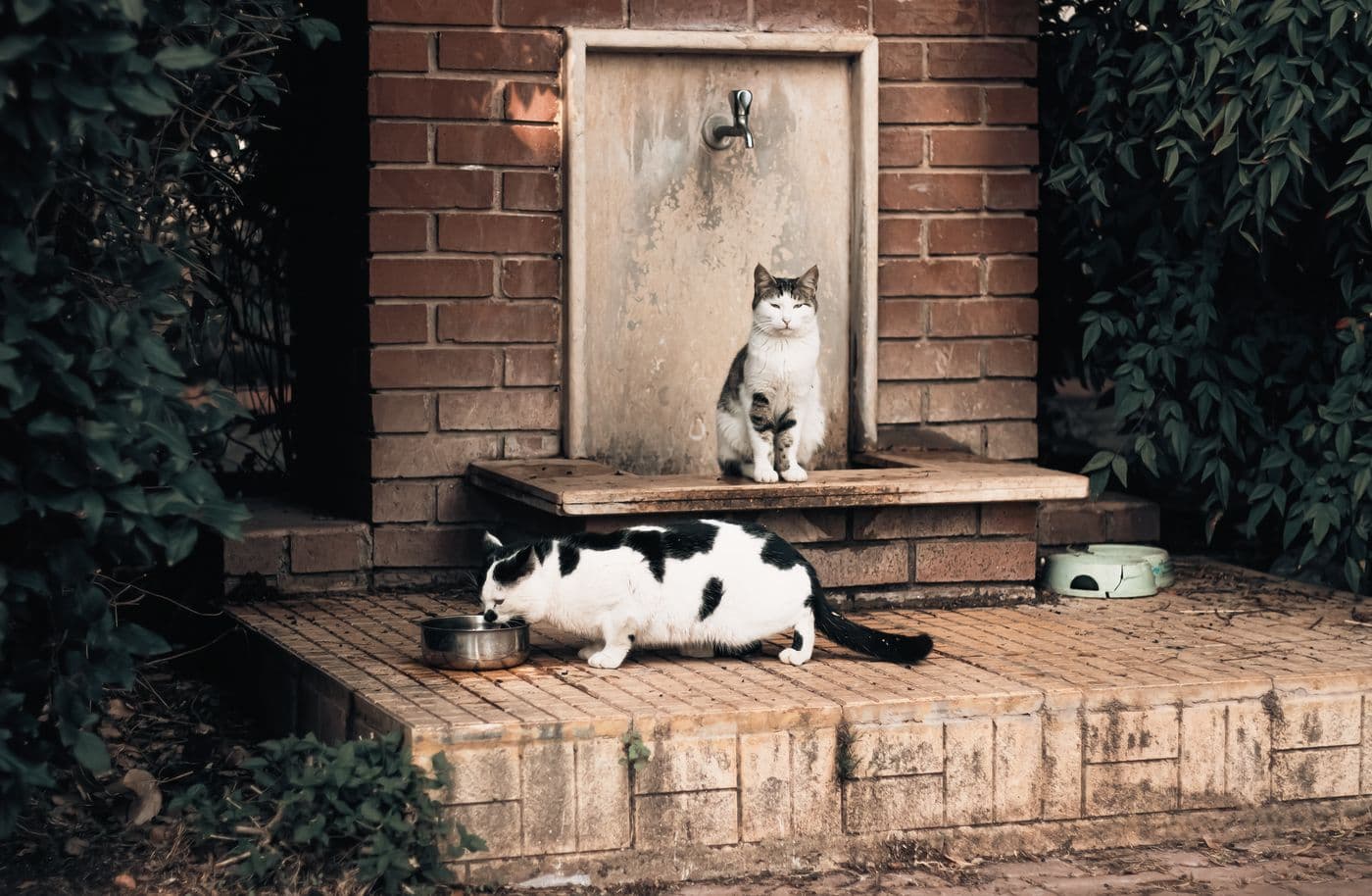
A common veterinary rule of thumb is roughly 40–60 ml of water per kilogram of body weight per day, counting the water in food as well as the bowl. A 4 kg cat therefore needs around 160–240 ml in total. Cats on wet food get much of that from their meals and may barely touch the bowl; cats on dry food need to drink most of it.
Cats descend from desert-dwelling ancestors that got most of their water from prey, so many have a weak thirst drive. That is fine when the diet is moist, but it means a cat on dry food can easily drink less than ideal.
Below is how to estimate what your cat needs, how to tell if they are getting enough, and practical ways to encourage drinking — plus the changes in thirst that are a reason to call the vet.
How to estimate your cat's daily water needs
Total daily water intake for a healthy adult cat is usually estimated at about 40–60 ml per kg of body weight. Activity, temperature, age and health all shift the number, so treat it as a guide rather than a target to hit exactly.
Remember that food counts. Wet food is typically around 70–80% moisture, while dry kibble is usually only about 10%. A cat eating mostly wet food can meet most of its needs from meals alone.
- 3 kg cat: roughly 120–180 ml per day in total
- 4 kg cat: roughly 160–240 ml per day in total
- 5 kg cat: roughly 200–300 ml per day in total
Signs your cat may not be drinking enough
Mild dehydration can be subtle. Watch for a combination of these rather than any single sign.
- Gums that feel tacky or dry instead of slippery
- Skin on the back of the neck that is slow to fall back after a gentle lift
- Small, dark or infrequent urine clumps in the litter box
- Hard, dry stools or constipation
- Lethargy, sunken eyes or reduced appetite
Tip: Lethargy, vomiting, not eating or sunken eyes need a vet promptly. Dehydration in cats can become serious quickly, especially in kittens and older cats.
Seven ways to get a cat drinking more
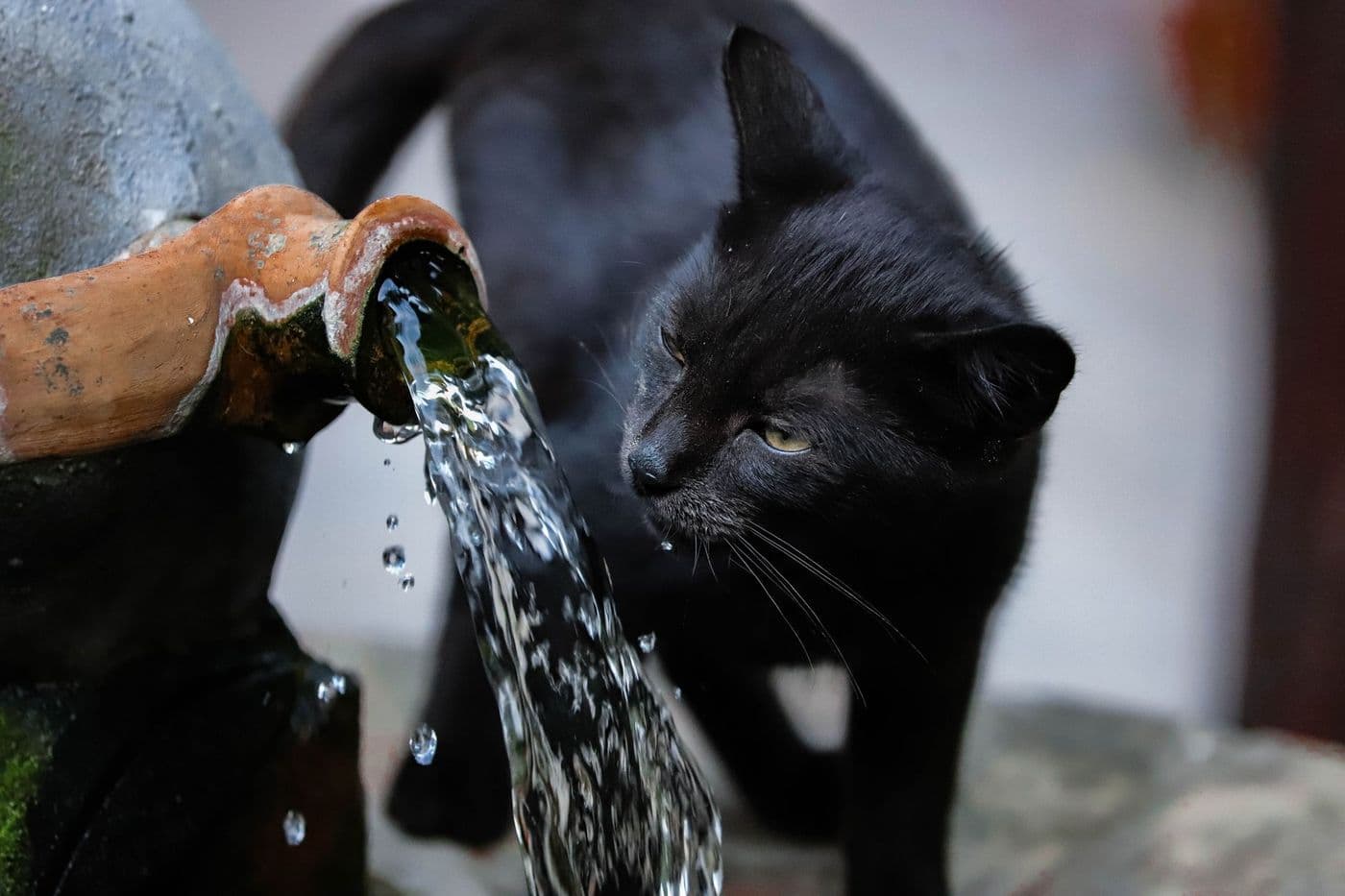
Small changes to where and how water is offered often make the biggest difference.
- Add wet food to the diet, or mix a little water into wet meals
- Try a pet water fountain: many cats are drawn to moving water
- Use wide, shallow bowls of ceramic, glass or stainless steel and fill them to the brim
- Place water away from the food bowl and well away from the litter box
- Offer several water stations around the home, including one on each floor
- Refresh the water at least daily and wash bowls regularly so it tastes fresh
- Experiment with water temperature — some cats prefer it cool, others at room temperature
Wet food vs dry food for hydration
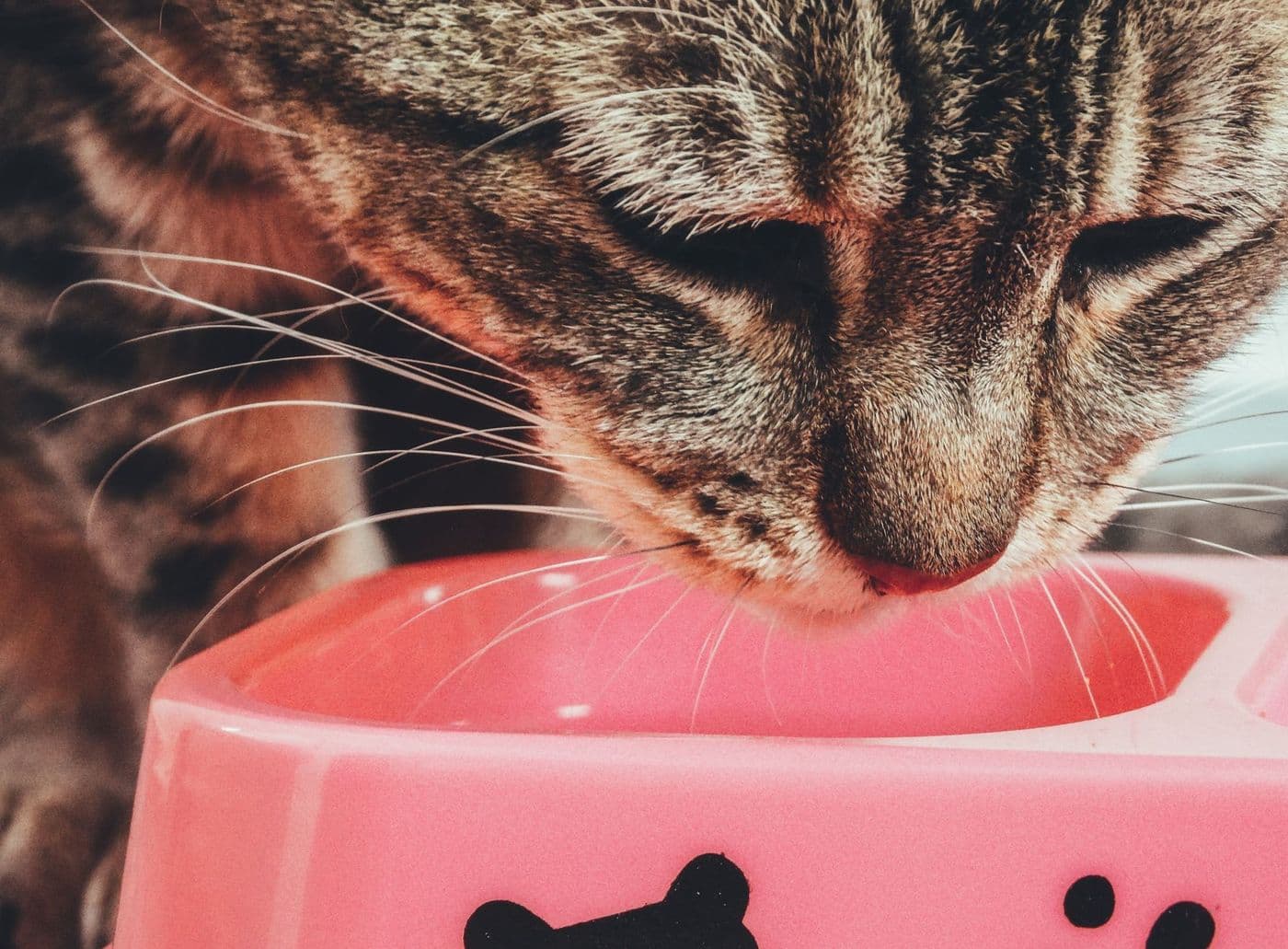
If hydration is a concern, adding wet food is usually the single most effective change, because the water arrives with the meal rather than relying on the cat's thirst.
Dry food is not bad in itself, but cats fed only kibble depend entirely on drinking. Many owners use a mix: wet meals for moisture, a measured amount of dry food for convenience. Change diets gradually over about a week to avoid stomach upsets, and ask your vet if your cat has a medical condition.
When drinking more is a warning sign
A sudden increase in thirst is just as important as drinking too little. Drinking and urinating much more than usual can be an early sign of conditions such as chronic kidney disease, diabetes or an overactive thyroid, which are all more common in middle-aged and older cats.
If you notice your cat emptying the bowl faster, larger clumps in the litter, or new drinking from taps and glasses, book a vet check. Bringing a rough measurement of daily water use helps.
Tip: To measure intake, fill the bowl with a measured amount each morning and measure what is left 24 hours later. Leave a second bowl nearby to account for evaporation.
Frequently asked questions
Is it normal for my cat to never drink water?
Cats on mostly wet food may drink very little, which can be normal. If your cat eats dry food and rarely drinks, or shows any signs of dehydration, talk to your vet.
Do cats prefer running water?
Many do. Moving water seems more appealing to a lot of cats, which is why fountains are popular. Some cats prefer a plain bowl, so it is worth offering both.
Can I give my cat milk instead of water?
No. Most adult cats are lactose intolerant to some degree, and milk can cause diarrhea. Fresh water is the only drink a cat needs.
General information only. Check product labels and manufacturer instructions before you start.
Keep reading
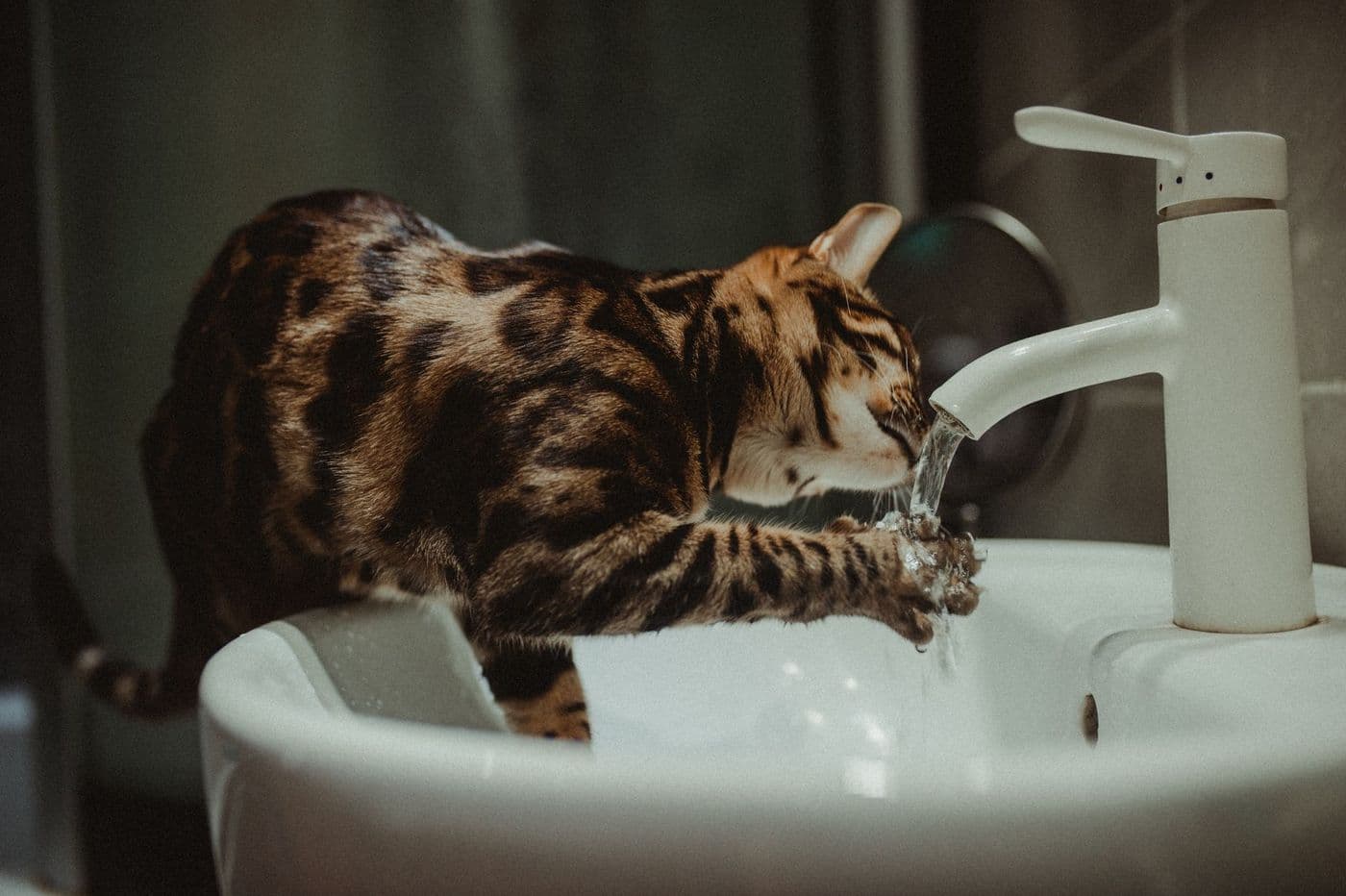
How to Clean a Cat Water Fountain (Pump, Filter and Slime)
Step-by-step: how often to clean a cat water fountain, how to clean the pump, remove slime and limescale, and when to change the filter.
How to Stop a Cat Scratching Furniture (Without Punishment)
Why cats scratch, how to choose and place scratching posts, safe deterrents and nail care to protect your sofa without stressing your cat.
Litter Box Setup: How Many Boxes, Which Litter and Where to Put Them
Set up a litter box your cat will actually use: the n+1 rule, box size, litter types, placement, cleaning routine and warning signs.