How to Clean a Cat Water Fountain (Pump, Filter and Slime)
Step-by-step: how often to clean a cat water fountain, how to clean the pump, remove slime and limescale, and when to change the filter.
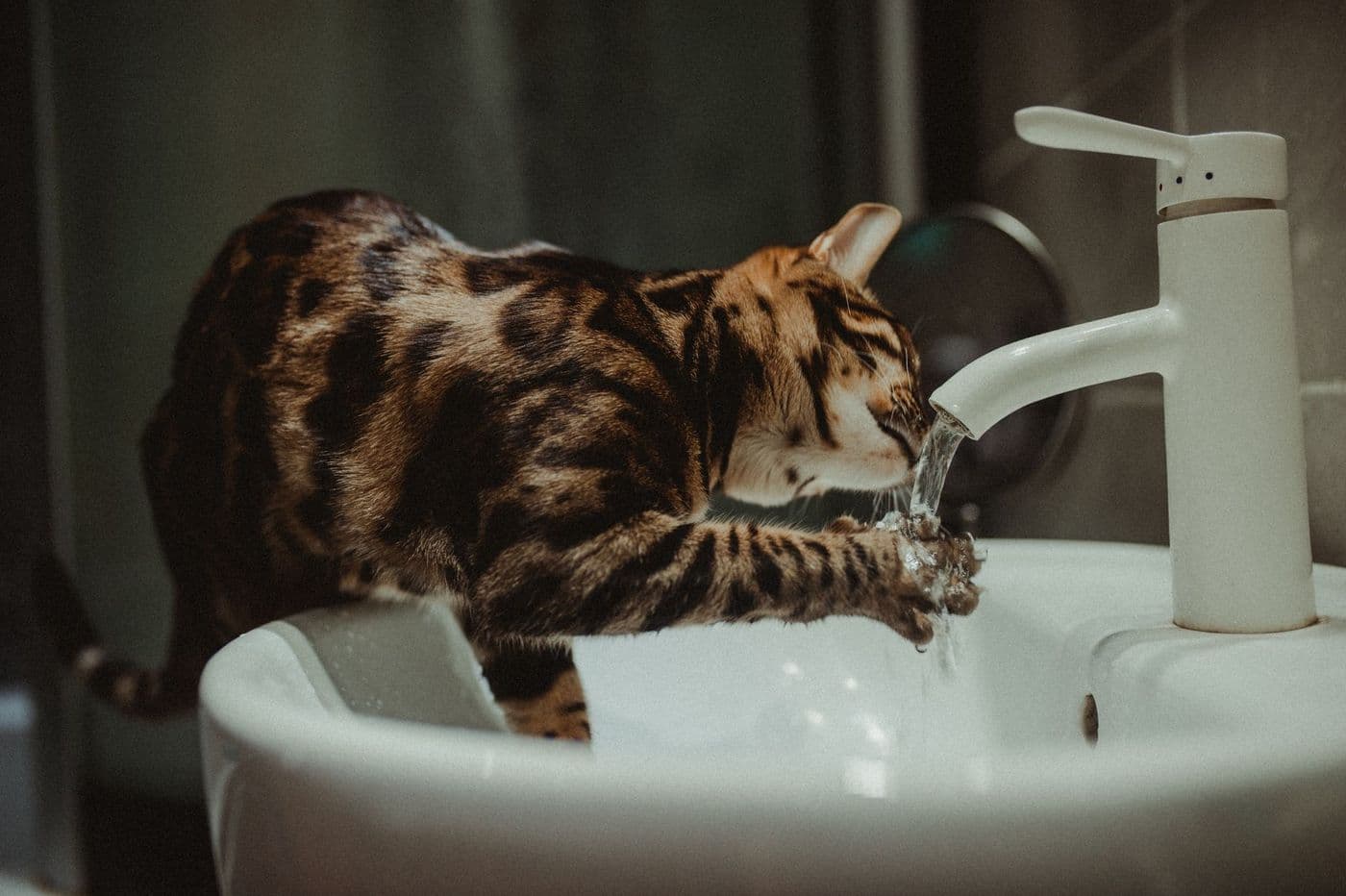
Unplug the fountain, empty it and take it apart. Wash the bowl and parts in warm water with unscented dish soap, scrub the pump and its impeller with a small brush, soak any limescale in diluted white vinegar, rinse everything thoroughly and reassemble with a fresh or rinsed filter. Do this about once a week, top up with fresh water daily, and change the filter as often as the manufacturer recommends.
A fountain only helps your cat drink more if the water stays fresh. Within days, saliva, food particles and hair build up and a slippery biofilm forms on the surfaces — the pink or brown slime you can feel on the bowl. A dirty pump also gets noisy and eventually stops.
This routine takes about 15 minutes a week and keeps the fountain quiet, clean and appealing.
How often to clean each part
Always follow your model's manual first. As a general guide:
- Top up or replace the water: daily
- Full clean of bowl, lid and spout: about once a week (more often with several pets)
- Pump clean: every one to two weeks
- Filter: replace on the manufacturer's schedule, commonly every two to four weeks
What you need
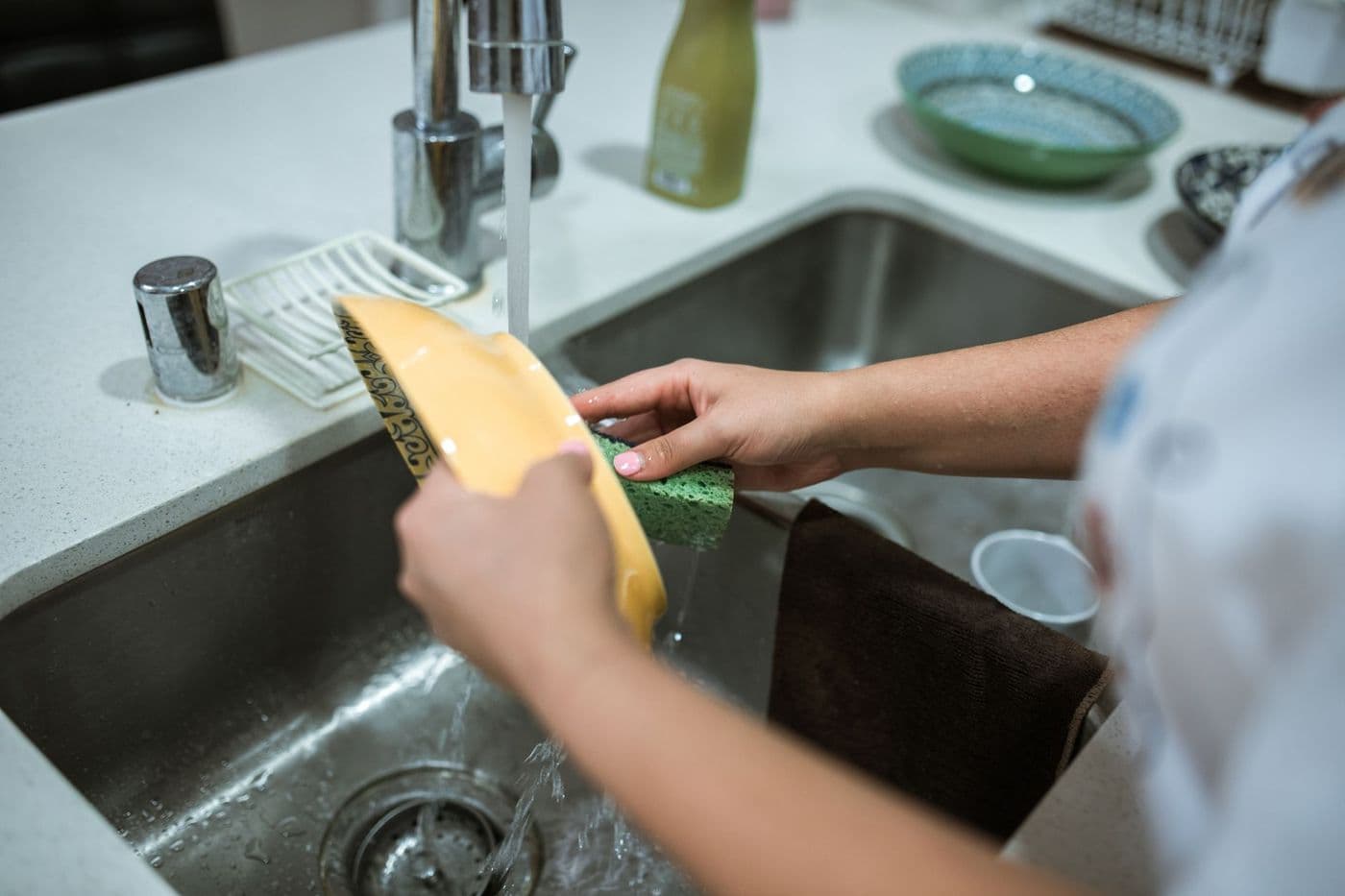
You do not need special cleaners.
- Unscented dish soap and warm water
- A small bottle brush or a soft toothbrush, plus a pipe cleaner for narrow tubes
- White vinegar for limescale
- A clean cloth or paper towels
- A spare filter, if it is due
Step 1: Unplug and take it apart
Unplug the fountain before touching the water or the pump. Pour out the old water, then lift out the filter, the spout or top tray, and the pump.
Most pumps have a removable cover over the impeller (the small spinning magnet). Pop the cover off carefully; this is where hair and slime collect.
Step 2: Wash the bowl and parts
Wash the bowl, lid and spout in warm soapy water, paying attention to corners and the water line where biofilm builds up. Many ceramic and stainless steel fountain bowls are dishwasher safe; check the manual before putting plastic parts in.
Rinse very thoroughly. Cats have a sensitive sense of smell, and soap residue can put them off drinking.
Tip: Avoid bleach and strongly scented cleaners. If you ever disinfect with a diluted bleach solution on your vet's advice, rinse repeatedly until there is no smell left.
Step 3: Clean the pump and remove limescale
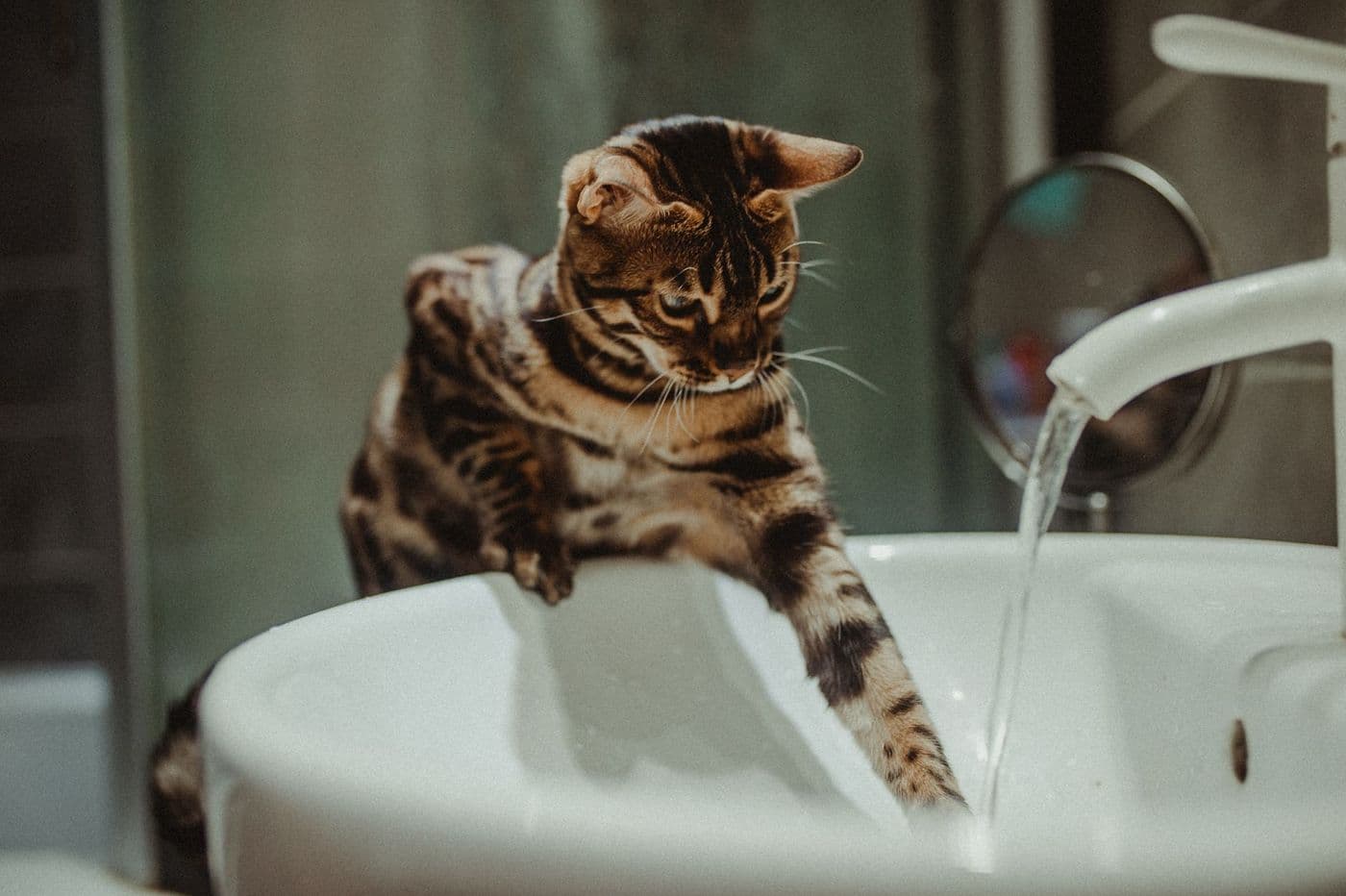
Brush the impeller, its housing and the intake grille with a soft toothbrush, and push a pipe cleaner through the outlet tube. Do not submerge the cable connection or force parts apart.
If you have hard water, white mineral scale will build up on the pump and bowl. Soak those parts in a mix of equal parts white vinegar and water for 15–30 minutes, scrub, then rinse well.
Step 4: Reassemble and refill
Rinse a new filter under the tap if the instructions say so (many carbon filters release dust on first use). Reassemble the pump, place it back in the bowl, add the filter and fill with fresh water to the marked level.
Plug it in and check the flow. A pump that hums but does not move water usually has an air bubble or a hair caught in the impeller.
Frequently asked questions
What is the pink slime in my cat's fountain?
It is usually a bacterial biofilm (often Serratia marcescens) that thrives in damp places. Regular washing and drying of all parts keeps it under control.
Can I use tap water in a cat fountain?
Usually yes, if it is safe for people to drink. In hard-water areas you may need to descale more often; filtered water can reduce build-up.
Why is my cat fountain making noise?
Low water, a clogged impeller or limescale are the usual causes. Top up the water, then clean the pump as described above.
General information only. Check product labels and manufacturer instructions before you start.
Keep reading
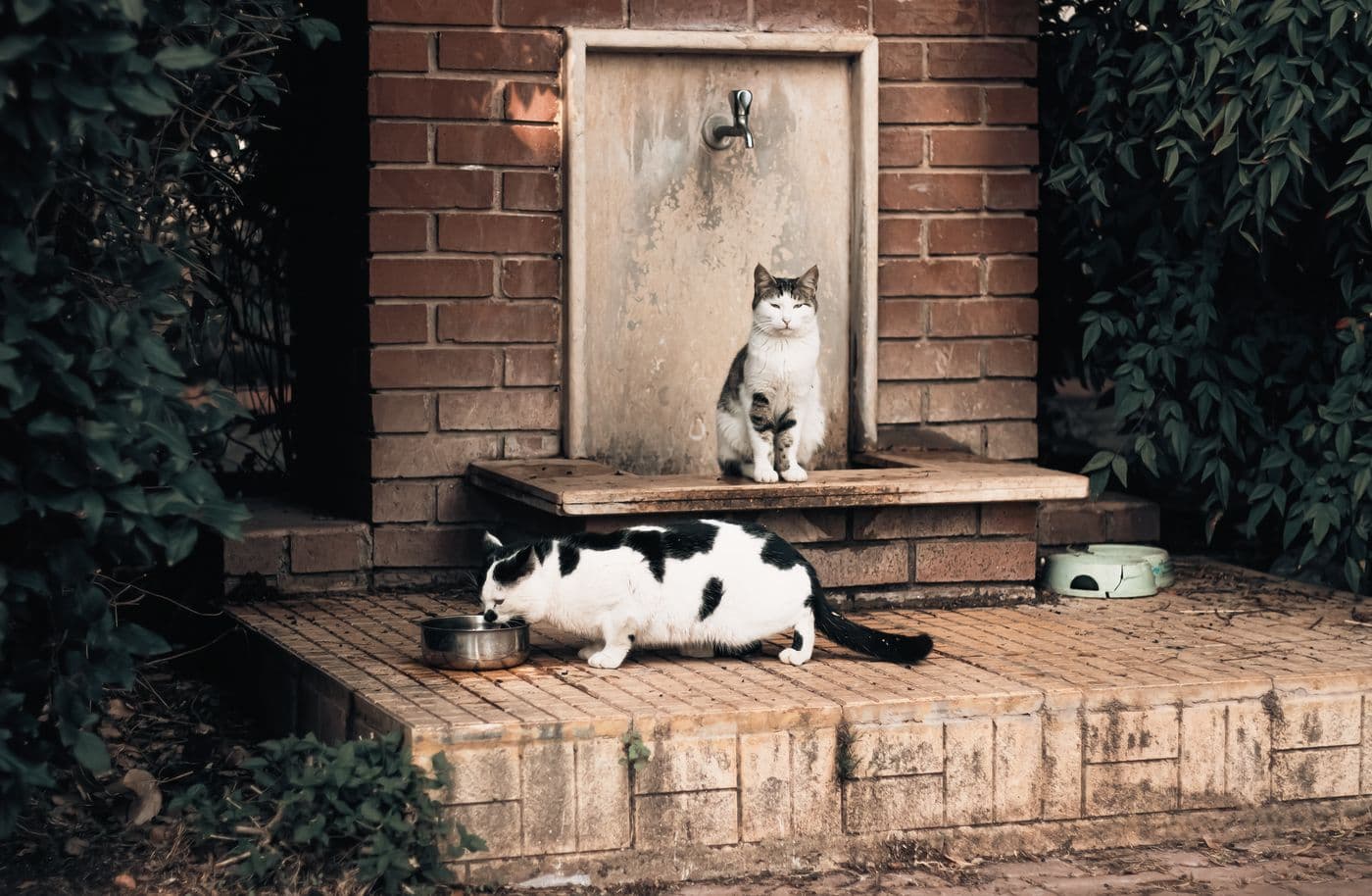
How Much Water Should a Cat Drink a Day? (And How to Get Them Drinking More)
How much water cats need, why dry-food cats drink more, signs of dehydration and simple ways to get a cat drinking more water.
How to Stop a Cat Scratching Furniture (Without Punishment)
Why cats scratch, how to choose and place scratching posts, safe deterrents and nail care to protect your sofa without stressing your cat.
Litter Box Setup: How Many Boxes, Which Litter and Where to Put Them
Set up a litter box your cat will actually use: the n+1 rule, box size, litter types, placement, cleaning routine and warning signs.