How to Stop a Cat Scratching Furniture (Without Punishment)
Why cats scratch, how to choose and place scratching posts, safe deterrents and nail care to protect your sofa without stressing your cat.
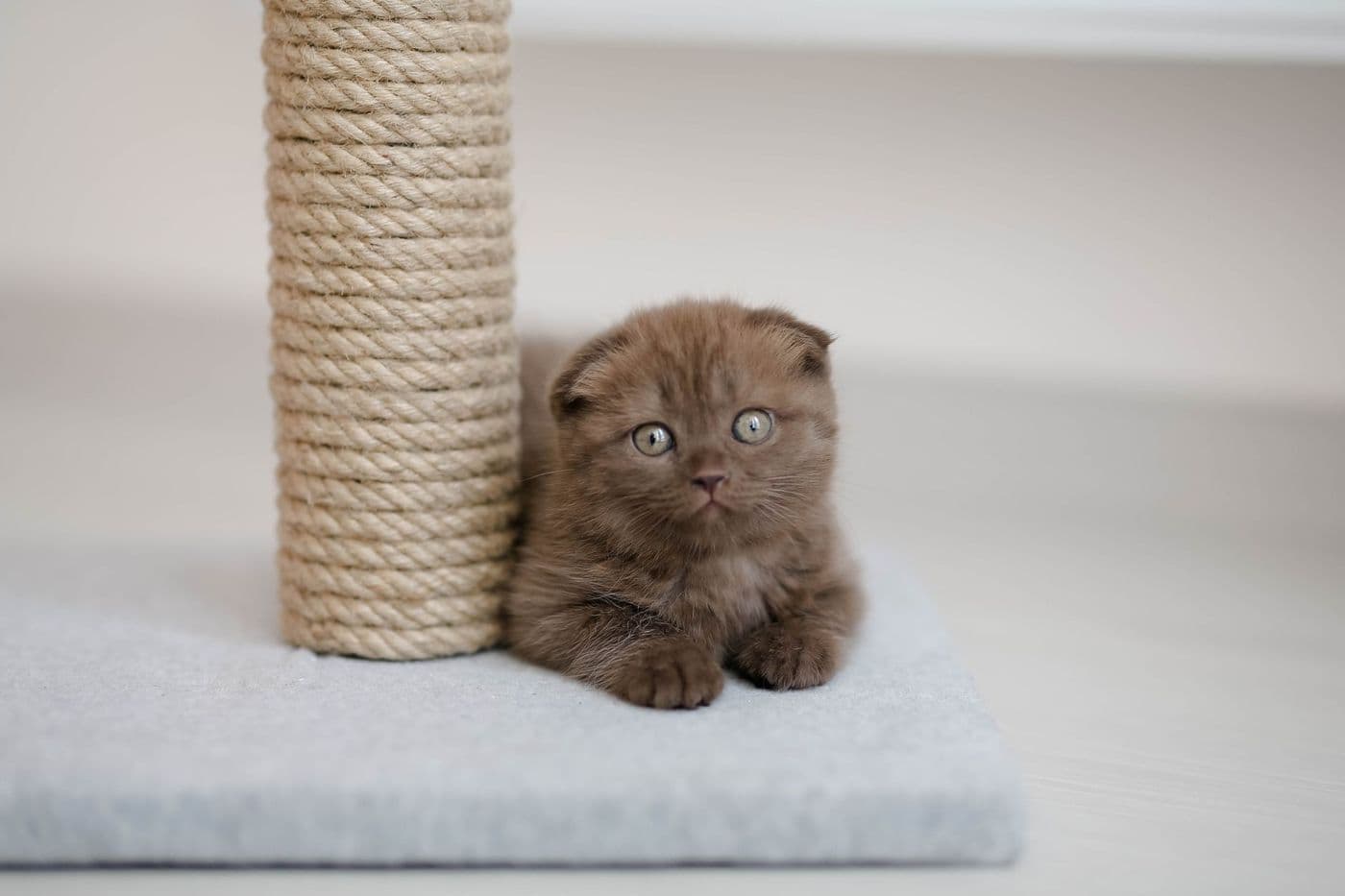
You cannot stop a cat scratching, but you can redirect it. Put a tall, sturdy sisal post or a horizontal scratcher right next to the furniture they target and near where they sleep, reward them for using it, make the furniture temporarily unappealing with double-sided tape or a throw, and keep their nails trimmed. Never punish scratching.
Scratching is normal, healthy cat behavior. It removes the old outer layer of the claws, stretches the back and shoulders, and leaves scent and visual marks that help a cat feel at home.
The goal is not to stop it but to give your cat somewhere better to do it. With the right scratcher in the right place, most cats switch within a few weeks.
Why cats choose your sofa
Sofas tick every box: they are tall, stable, covered in a satisfying fabric and placed in the middle of the home, where marking territory matters most. Cats also scratch after waking up and when excited, such as when you come home.
Understanding this tells you what a good scratcher needs: height, stability, the right texture and a central location.
Choosing a scratching post that works
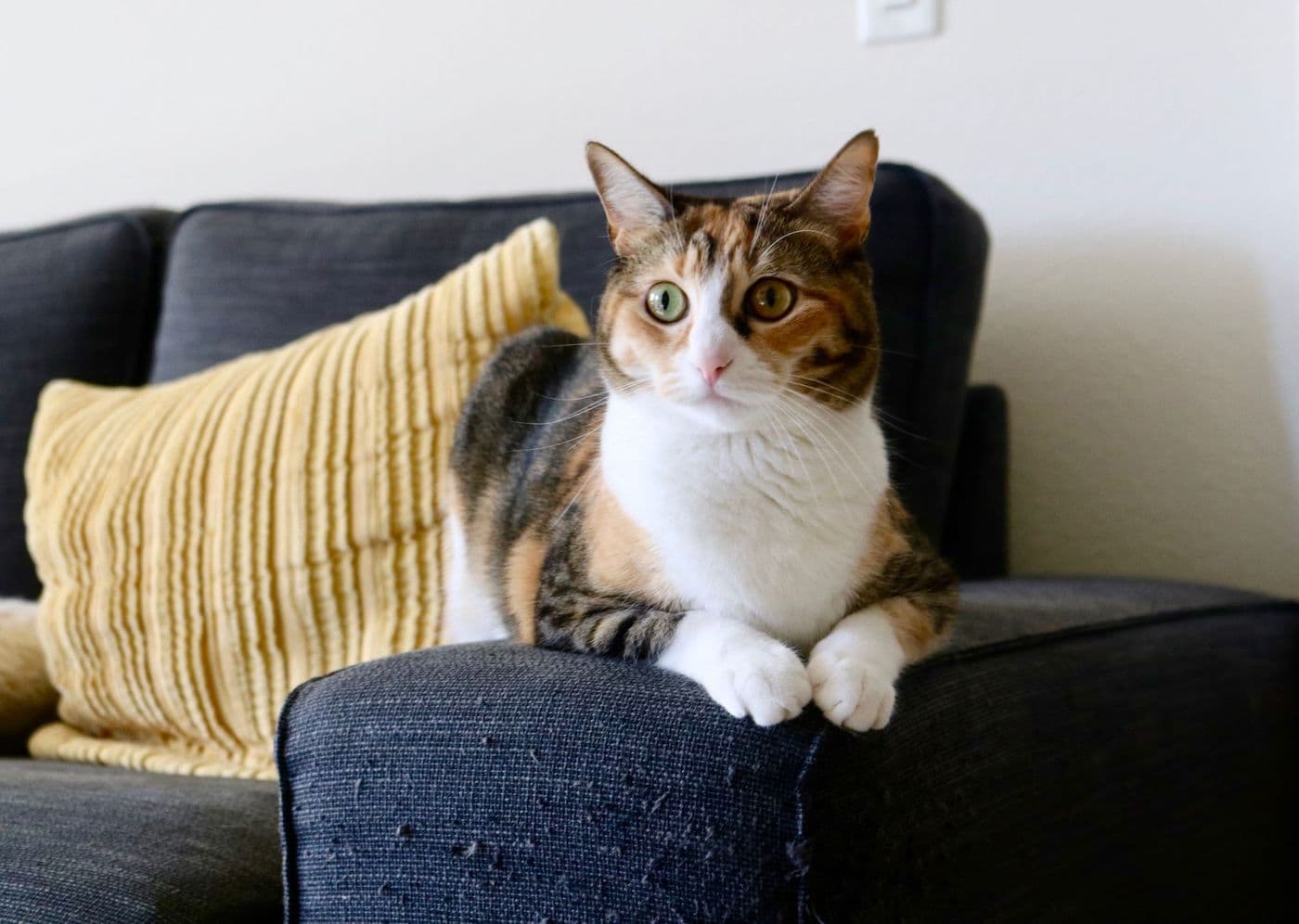
Many posts fail because they are too short or wobble. Look for:
- Height: tall enough for your cat to stretch fully upright — usually at least 80 cm (about 32 inches)
- Stability: a heavy, wide base that does not tip or rock
- Texture: rough sisal rope or sisal fabric, which shreds satisfyingly
- Variety: some cats prefer horizontal cardboard scratchers or angled ramps — watch whether yours scratches carpets or upright furniture
Placement is everything
Put the new scratcher directly in front of or beside the furniture being scratched. Once your cat uses it reliably, you can move it gradually, a little at a time, to a more convenient spot.
Add scratchers near sleeping areas and by the front door. In multi-cat homes, provide several in different rooms.
Tip: Rub a little catnip or silvervine on the post, or drag a wand toy across it, to draw your cat's attention. Praise or give a treat when they use it.
Make the furniture less appealing (temporarily)
While your cat learns, make favorite scratching spots less satisfying. Double-sided sticky tape designed for furniture, a smooth throw or a plastic corner guard all work well.
Avoid punishments such as shouting or spraying water. They create fear and stress, can damage your bond with your cat, and usually just teach the cat to scratch when you are not around.
Keep nails short and healthy
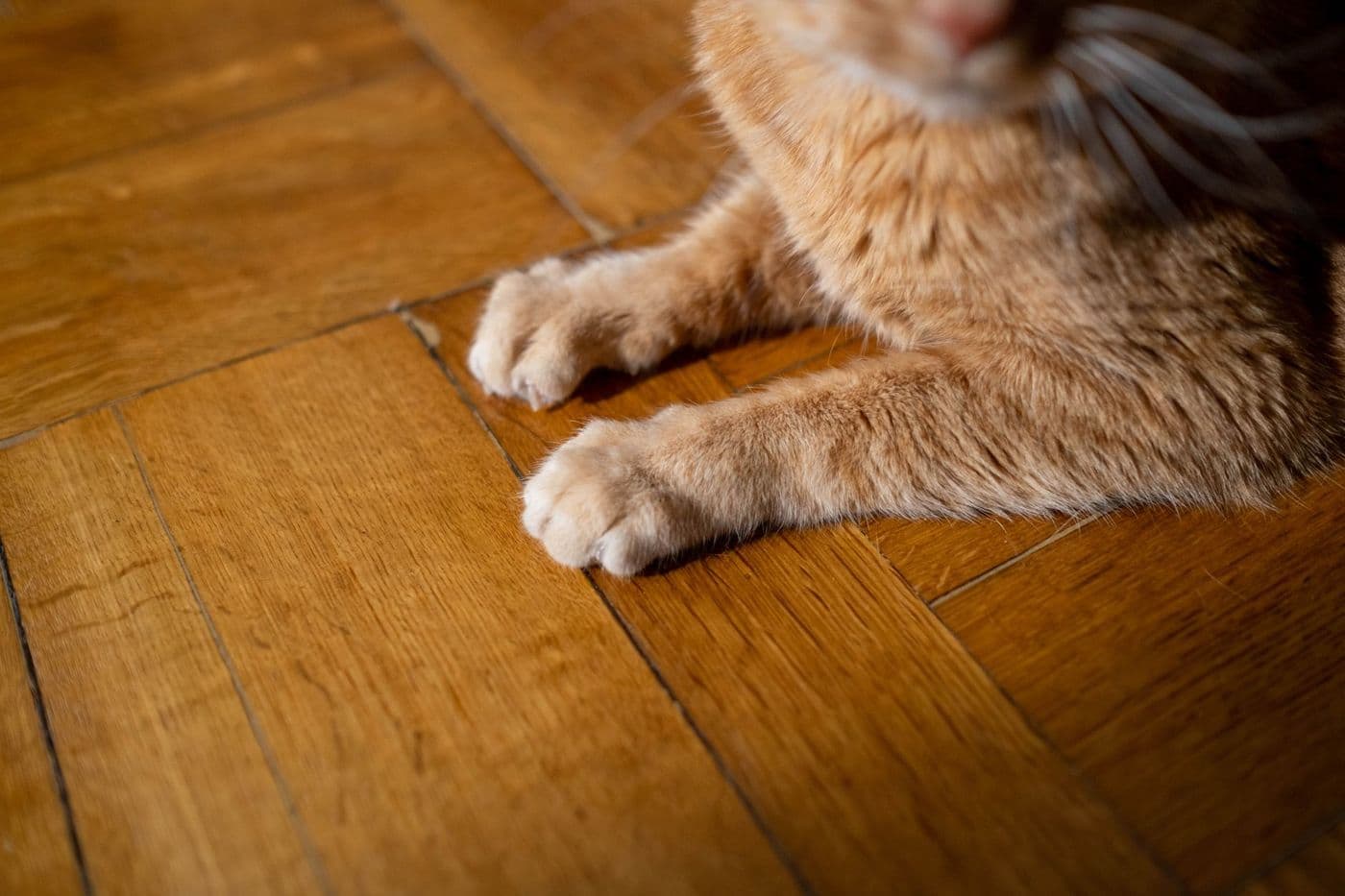
Trimming the sharp tips of the claws every few weeks reduces damage a lot. Use cat nail clippers, take off only the clear tip and avoid the pink quick, which contains blood vessels and nerves.
If you are unsure, ask your vet or a vet nurse to show you. Soft nail caps applied by a vet or experienced owner are another short-term option.
Tip: Declawing is a surgical amputation of the end bone of each toe. It is banned in many countries and opposed or strongly discouraged by major veterinary organizations. Redirecting and nail care are humane alternatives.
Frequently asked questions
How long does it take to stop a cat scratching furniture?
Many cats start using a well-placed post within days, but allow a few weeks before removing deterrents from furniture.
Do citrus sprays stop cats scratching?
Some cats dislike citrus smells, but sprays need frequent reapplication and can stain fabric. Never use essential oils, several of which are toxic to cats.
Is it too late to train an older cat?
No. Adult and senior cats can learn to use a new scratcher with the same approach. Older cats may prefer a horizontal or angled scratcher that is easier on stiff joints.
General information only. Check product labels and manufacturer instructions before you start.
Keep reading
Litter Box Setup: How Many Boxes, Which Litter and Where to Put Them
Set up a litter box your cat will actually use: the n+1 rule, box size, litter types, placement, cleaning routine and warning signs.
How to Clean a Cat Water Fountain (Pump, Filter and Slime)
Step-by-step: how often to clean a cat water fountain, how to clean the pump, remove slime and limescale, and when to change the filter.
How Much Water Should a Cat Drink a Day? (And How to Get Them Drinking More)
How much water cats need, why dry-food cats drink more, signs of dehydration and simple ways to get a cat drinking more water.