How to Trim Cat Nails at Home: A Calm Step-by-Step Guide
How to trim a cat's nails safely, how to find the quick, which clippers to use, how to train a nervous cat and what to do if you cut too short.

Wait until your cat is relaxed, hold a paw gently, press the toe to extend the claw and clip only the sharp, clear tip, staying well away from the pink quick. Use sharp cat-specific clippers, trim one or two paws per session if needed and reward with a treat. If unsure, ask your vet or a groomer to show you.
Cats keep their claws sharp by scratching, but indoor cats still benefit from regular trims. Short nails protect furniture, skin and the cat itself, since overgrown claws can curl into paw pads.
Most cats can learn to tolerate a trim. The secret is calm timing, the right tool and tiny steps.
What you need
Gather everything first so the process is quick:
- Sharp cat nail clippers (scissor or guillotine style)
- High-value treats
- Good lighting
- Styptic powder in case of a nick
- A towel for gentle wrapping if needed
Understand the quick
Inside most claws is the quick, a pink area containing blood vessels and nerves. Cutting it hurts and bleeds. In light-colored claws it is easy to see; dark claws are harder, so cut tiny slivers.
You only need the pointed tip, the curved clear part beyond the quick.
Tip: If you cannot see the quick, cut a small amount and look at the cut end: a dark dot near the center means you are getting close, so stop.
Step-by-step trimming
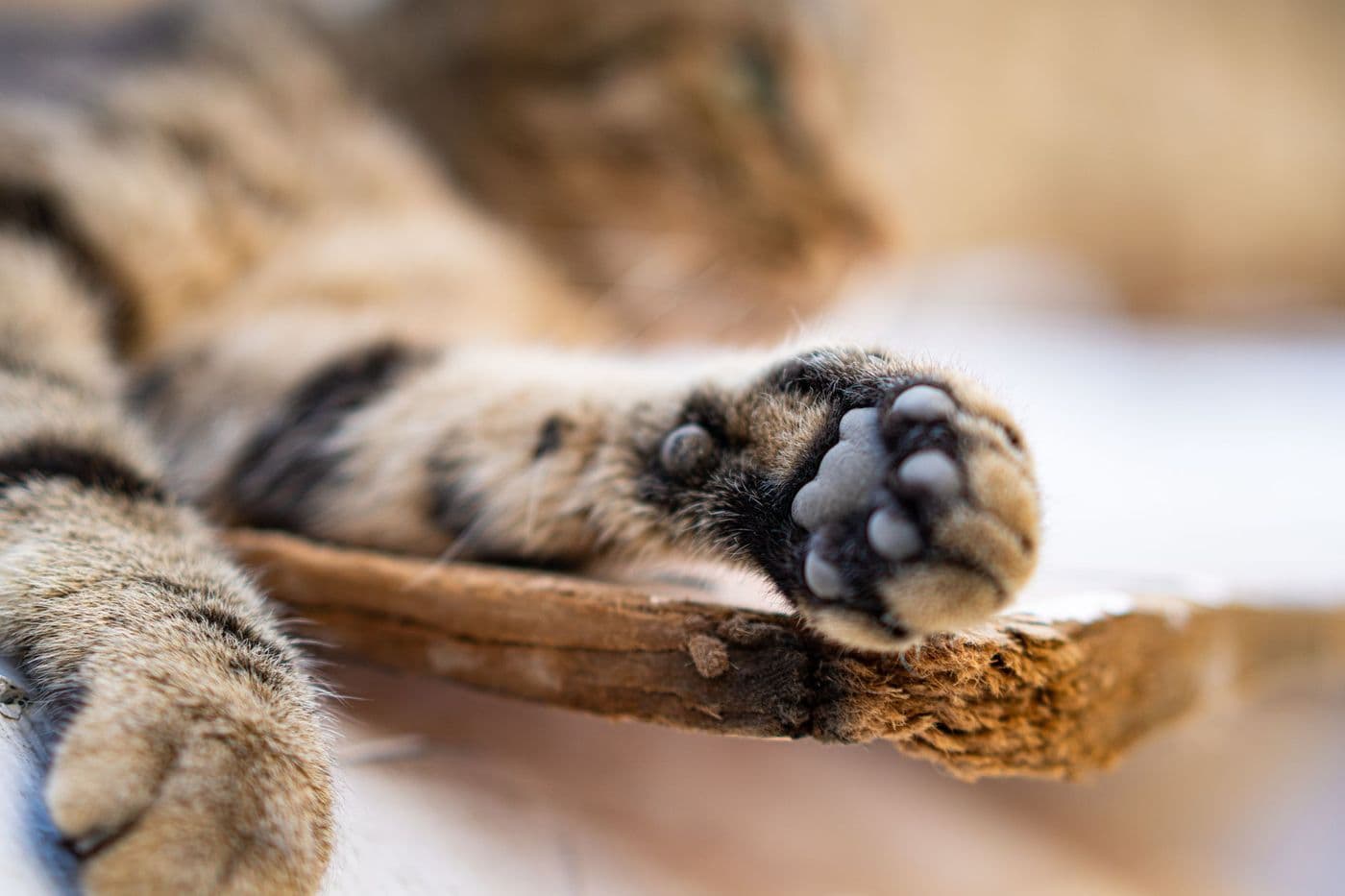
Choose a time when your cat is sleepy, such as after a meal.
- Sit with your cat on your lap or beside you
- Gently press the pad so the claw extends
- Place the clipper across the clear tip, not the pink part
- Squeeze in one quick motion
- Give a treat immediately and repeat on the next claw
Train a nervous cat
Start by touching paws during cuddles and rewarding. Then handle one toe, press out the claw and treat, without cutting. Introduce the clippers by letting your cat sniff them.
Take days or weeks if needed. Ending on a good note builds trust. Never force a struggling cat; stop and try later.
What if you cut the quick

Stay calm. Apply styptic powder or press a clean cloth on the tip for a minute or two. Most small nicks stop bleeding quickly.
If bleeding continues for more than a few minutes or the claw looks injured, call your vet.
How often and what to avoid
Every two to four weeks suits many cats, though it varies. Check the front claws first; back ones often need less.
Do not declaw. It is an amputation procedure considered harmful by many veterinary organizations. Trimming and scratching posts are humane alternatives.
Frequently asked questions
Do indoor cats need nail trims?
Usually yes, because they scratch less on rough surfaces and claws can grow long, especially in older cats.
Can I use human nail clippers?
They can crush the claw. Cat-specific clippers give a cleaner cut.
My cat hates it. What now?
Go slower, do one claw per day, or ask a vet nurse or groomer to help.
What are soft nail caps?
Glue-on covers that blunt the claws. They need to be applied correctly, so ask a professional first.
Advertisement
Advertisement
Sponsored: today's featured offer →General information only. Check product labels and manufacturer instructions before you start.
Keep reading
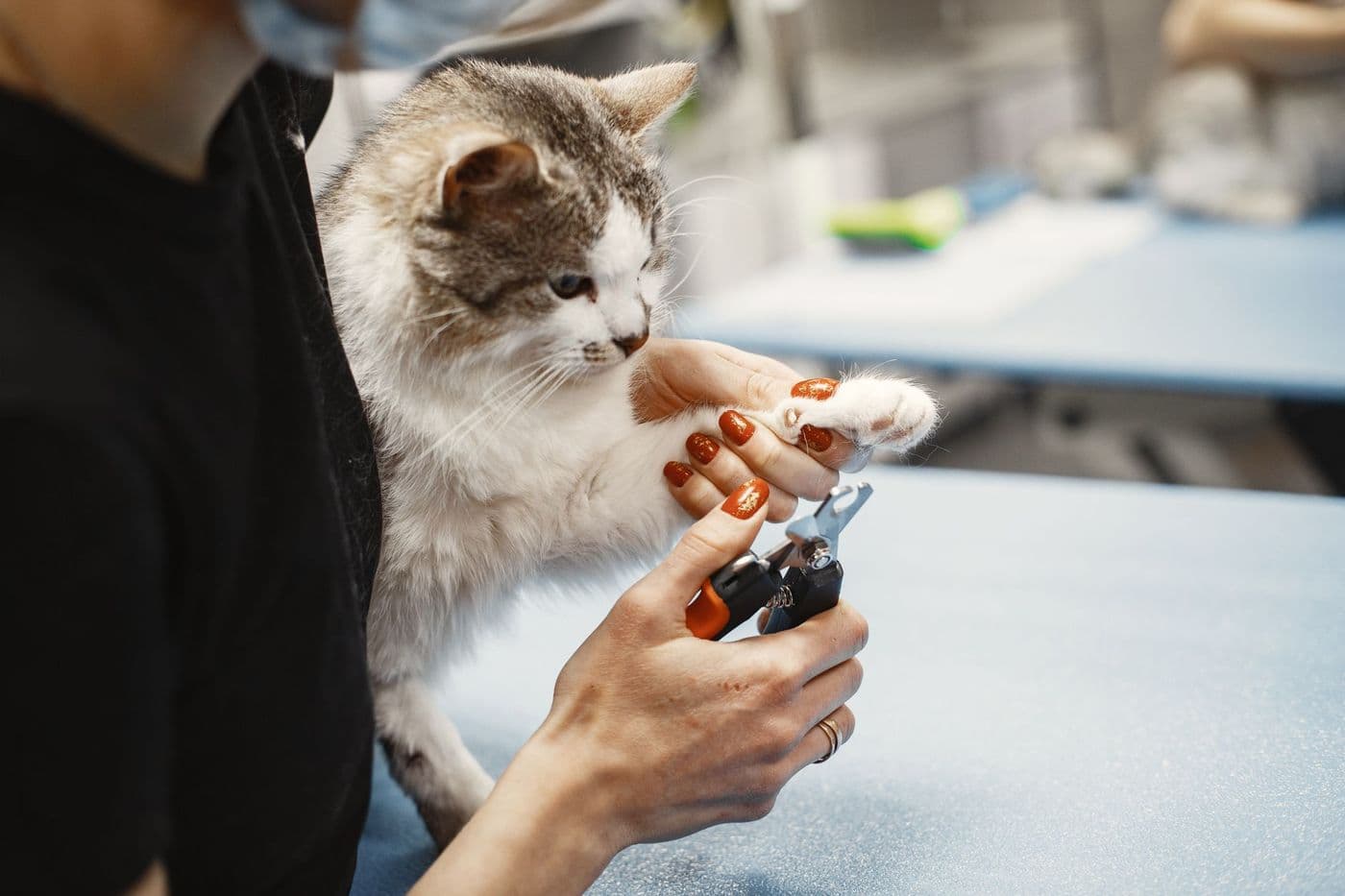
Signs Your Cat Might Be Sick: 12 Changes Worth a Vet Call
Subtle and obvious signs a cat may be unwell, from appetite and litter box changes to breathing and hiding, plus which ones are emergencies.
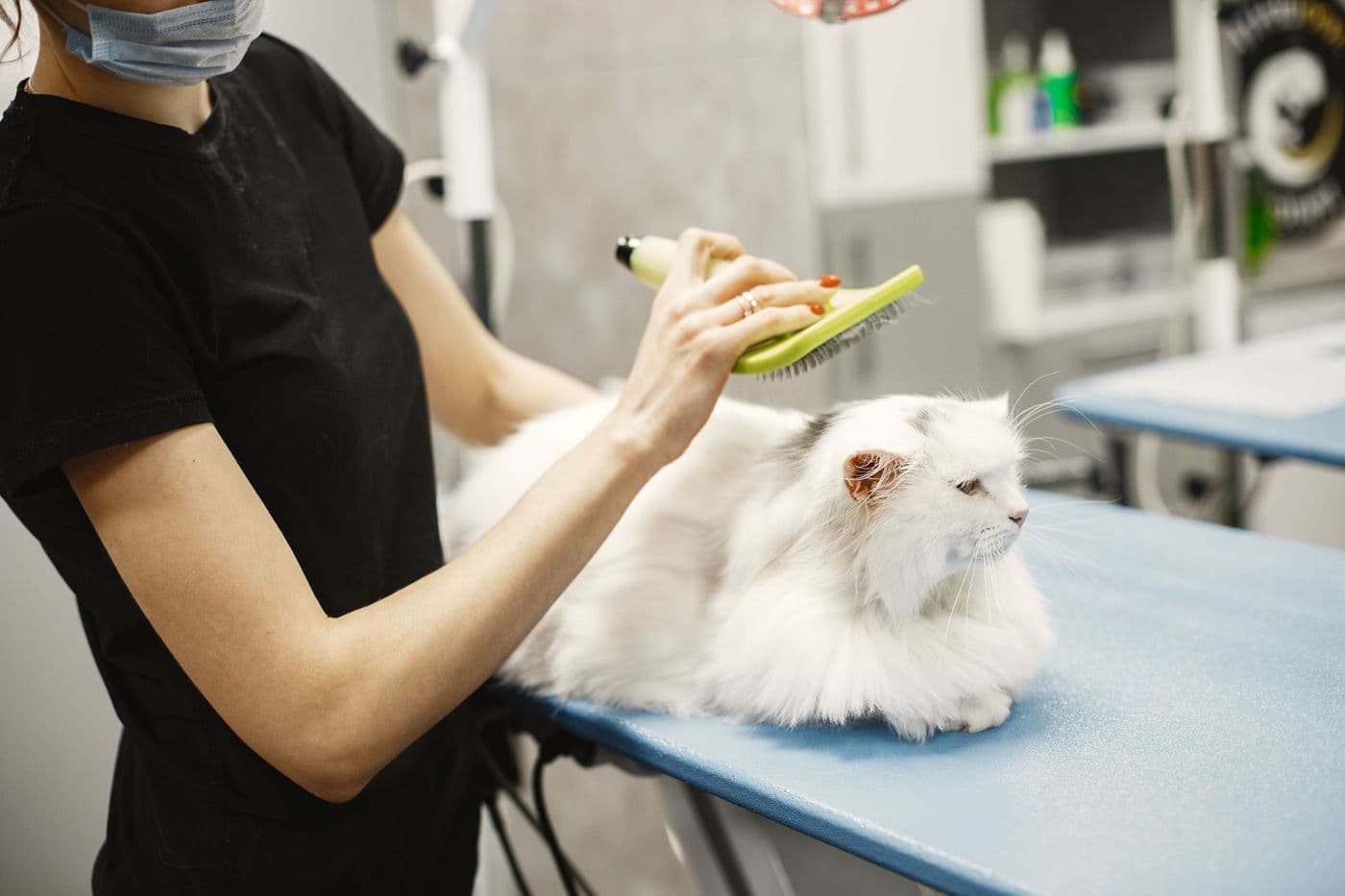
How Often Should You Brush a Cat? Coat Care by Hair Type
How often to brush short-haired, long-haired and senior cats, the best brush for each coat, how to handle mats and when grooming signals a problem.

How to Brush Your Cat's Teeth (And Why It Matters)
Why dental care matters for cats, how to introduce a toothbrush step by step, which toothpaste is safe and signs of dental disease to watch for.