Why Does My Cat Have Zoomies at Night? How to Get Quiet Evenings
Why cats race around at night, how play, feeding and routine can calm midnight zoomies, and when sudden night activity needs a vet check.
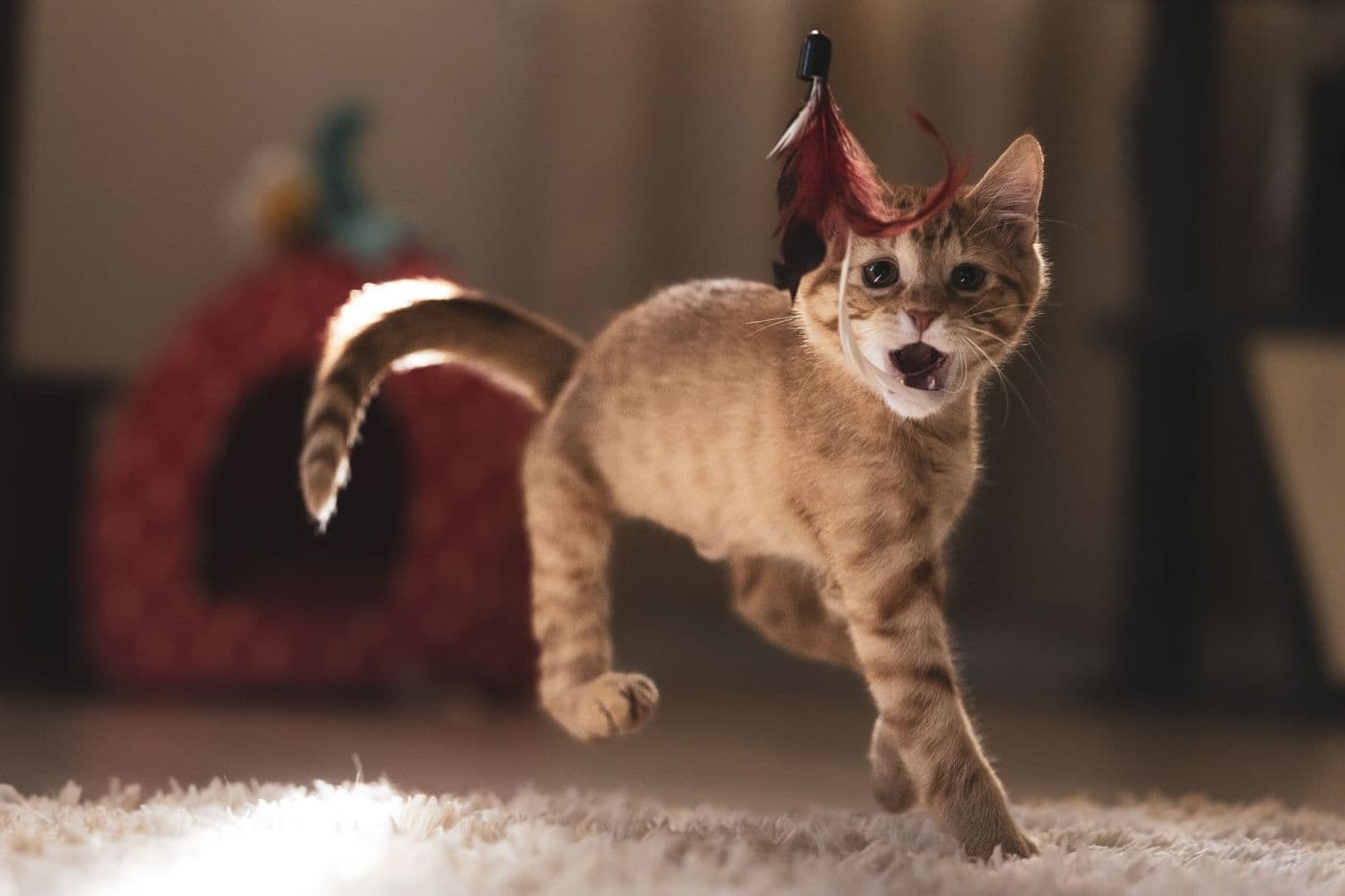
Cats are naturally most active around dawn and dusk and often have energy to burn in the evening. Play hard with a wand toy for 10 to 15 minutes before bed, follow it with a meal, and keep daytime stimulation up. Sudden changes, such as night yowling in an older cat, deserve a vet check.
At 2 a.m. your cat tears down the hallway like the floor is lava. These bursts, nicknamed zoomies, are normal cat behavior and often funny, until they happen at the foot of your bed.
You can rarely eliminate them, but you can move them to a more convenient time. Here is how.
Why cats get the zoomies
Cats are crepuscular, meaning most active at dawn and dusk. Wild ancestors hunted in those low-light hours, and indoor cats keep the rhythm even if their meals arrive in a bowl.
Zoomies are also a way to release pent-up energy, especially after long naps or a litter box visit.
Build an evening hunt routine
Mimic the hunt, catch, eat, groom, sleep cycle. About an hour before your own bedtime, run a vigorous play session using a wand or feather toy, letting your cat stalk, chase and finally catch it.
Finish with a meal or snack. Many cats then groom and settle down to sleep.
Tip: Make sure the toy ends up caught. Ending with a prize satisfies the hunting instinct better than endless chasing.
Make daytime more interesting
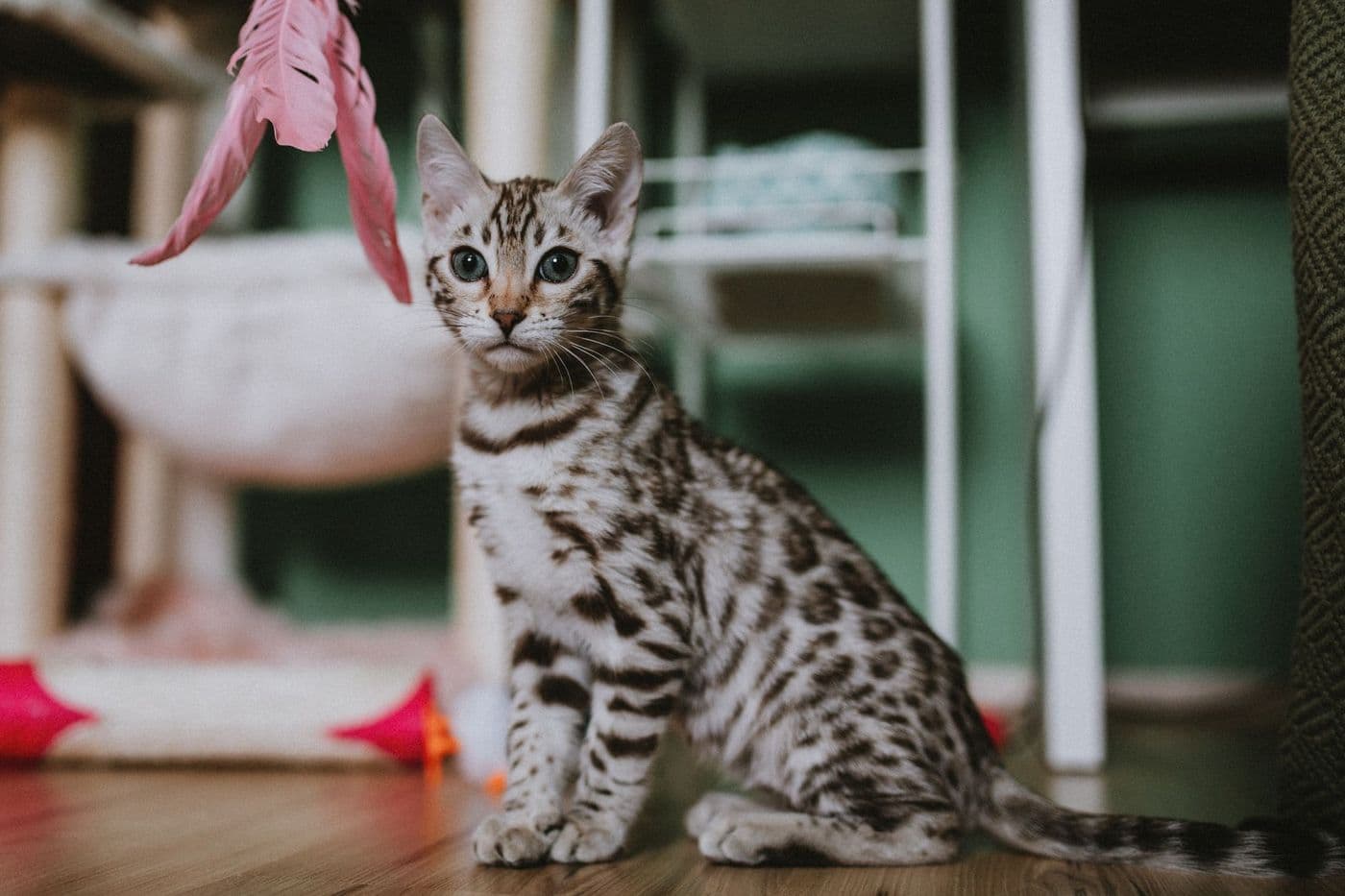
A bored cat saves its energy for night. Try to add variety while you are away or busy:
- Window perches with a view of birds or trees
- Puzzle feeders and treat balls
- Rotating toys every few days
- A cat tree or shelves to climb
- Short play sessions morning and afternoon
Practical night-time tips
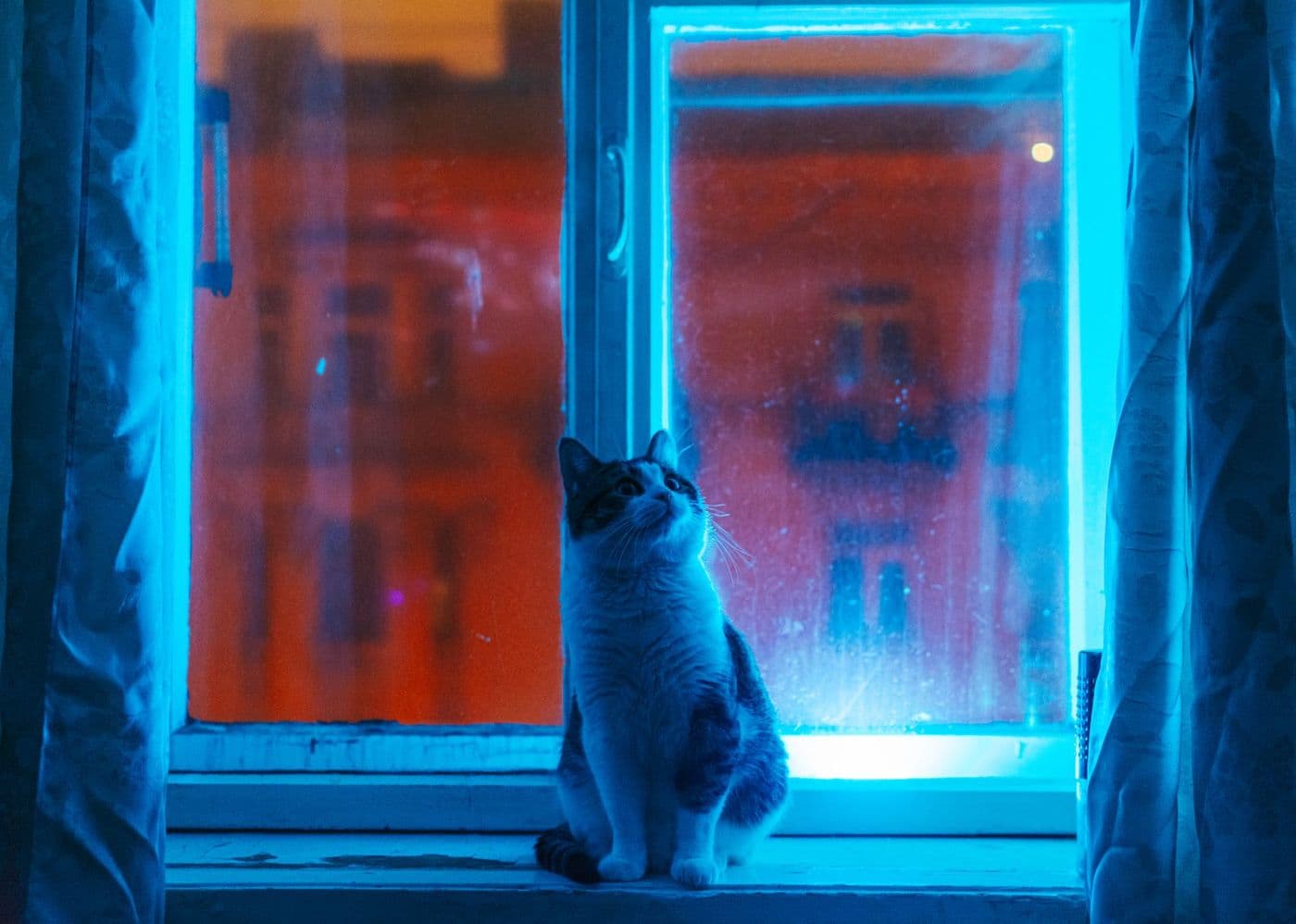
Do not respond to nighttime antics with attention or food, because that rewards the behavior. Block access to the bedroom if you can, and provide a quiet toy such as a soft kicker.
Remove fragile objects from pathways and add traction on slippery floors for safe sprints.
Are zoomies ever a problem?
Occasional bursts are normal. But frantic running with signs of discomfort, sudden hyperactivity, loud night yowling in a senior cat, or confusion can point to medical issues such as thyroid disease, high blood pressure or cognitive decline.
If night behavior changes suddenly, check in with your vet.
Kittens and young adults
Young cats have a lot of energy and need more play, often several sessions a day. A second cat can sometimes help, but introductions need care and not every cat wants a companion.
Energy typically calms with maturity, though play remains important for life.
Frequently asked questions
Is it normal for cats to run around at night?
Yes. Cats are most active around dusk and dawn, and many have bursts of energy at night.
Should I get a second cat to burn energy?
It may help some cats, but it can add stress for others. Introduce carefully and consider your cat's temperament.
Why do zoomies follow the litter box?
Cats may feel relief or excitement after going. It is common and usually harmless.
Can feeding late stop night activity?
A meal after play often helps cats settle, but timing and portion should fit their daily total.
Advertisement
Advertisement
Sponsored: today's featured offer →General information only. Check product labels and manufacturer instructions before you start.
Keep reading
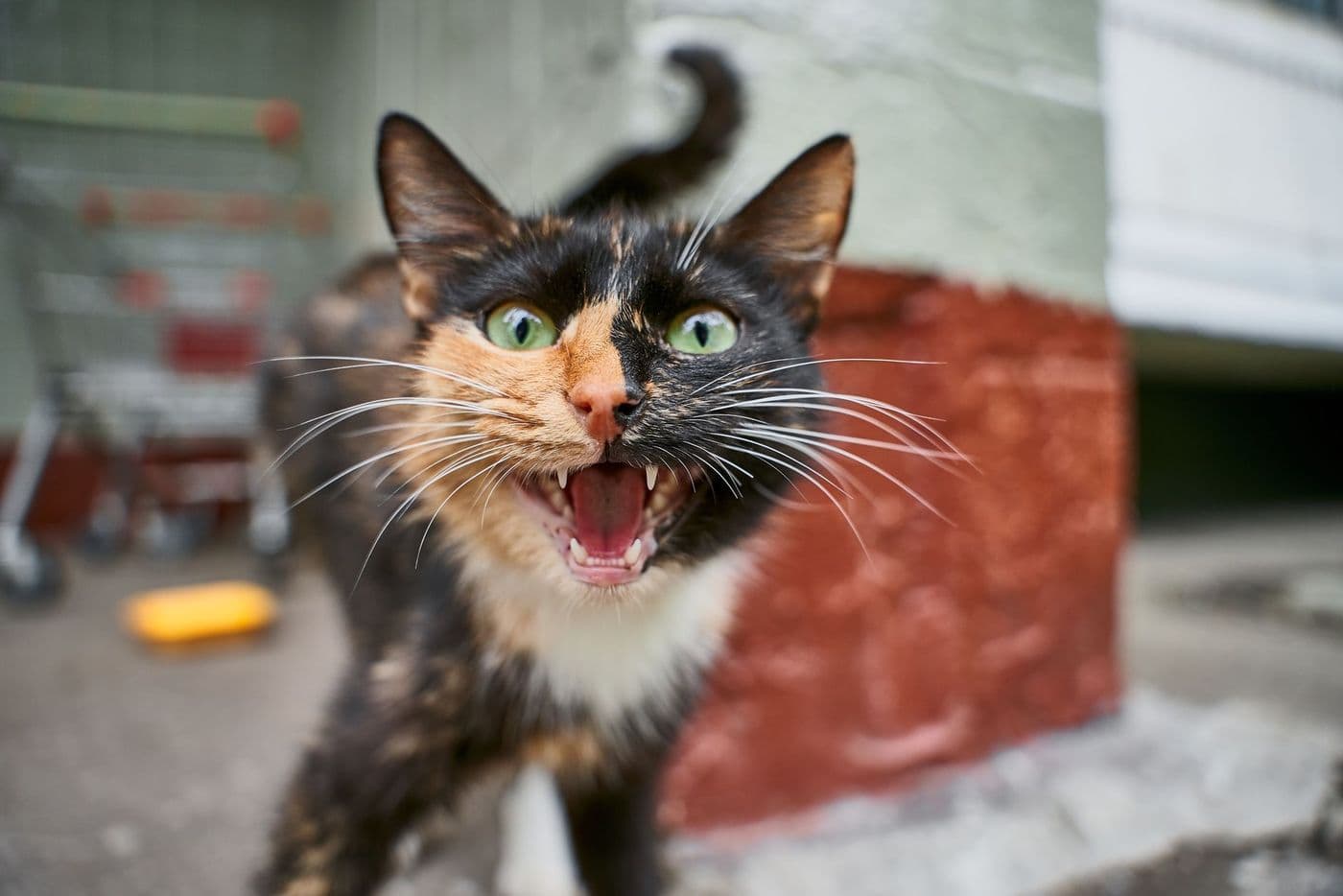
Why Does My Cat Meow So Much? Reasons and What to Do About It
Why cats meow, from hunger and attention to stress, aging and health problems, with ways to reduce excessive meowing and when to book a vet visit.
Why Does My Cat Purr? Happy, Hungry and Sometimes Hurting
What purring means, when cats purr for comfort or to ask for food, why some purr when stressed or unwell, and how to read context.
How to Introduce a New Cat to Your Resident Cat Step by Step
A slow, scent-first introduction plan for cats, how to set up a safe room, what to expect, signs of trouble and when to ask for professional help.