Why Does My Cat Meow So Much? Reasons and What to Do About It
Why cats meow, from hunger and attention to stress, aging and health problems, with ways to reduce excessive meowing and when to book a vet visit.
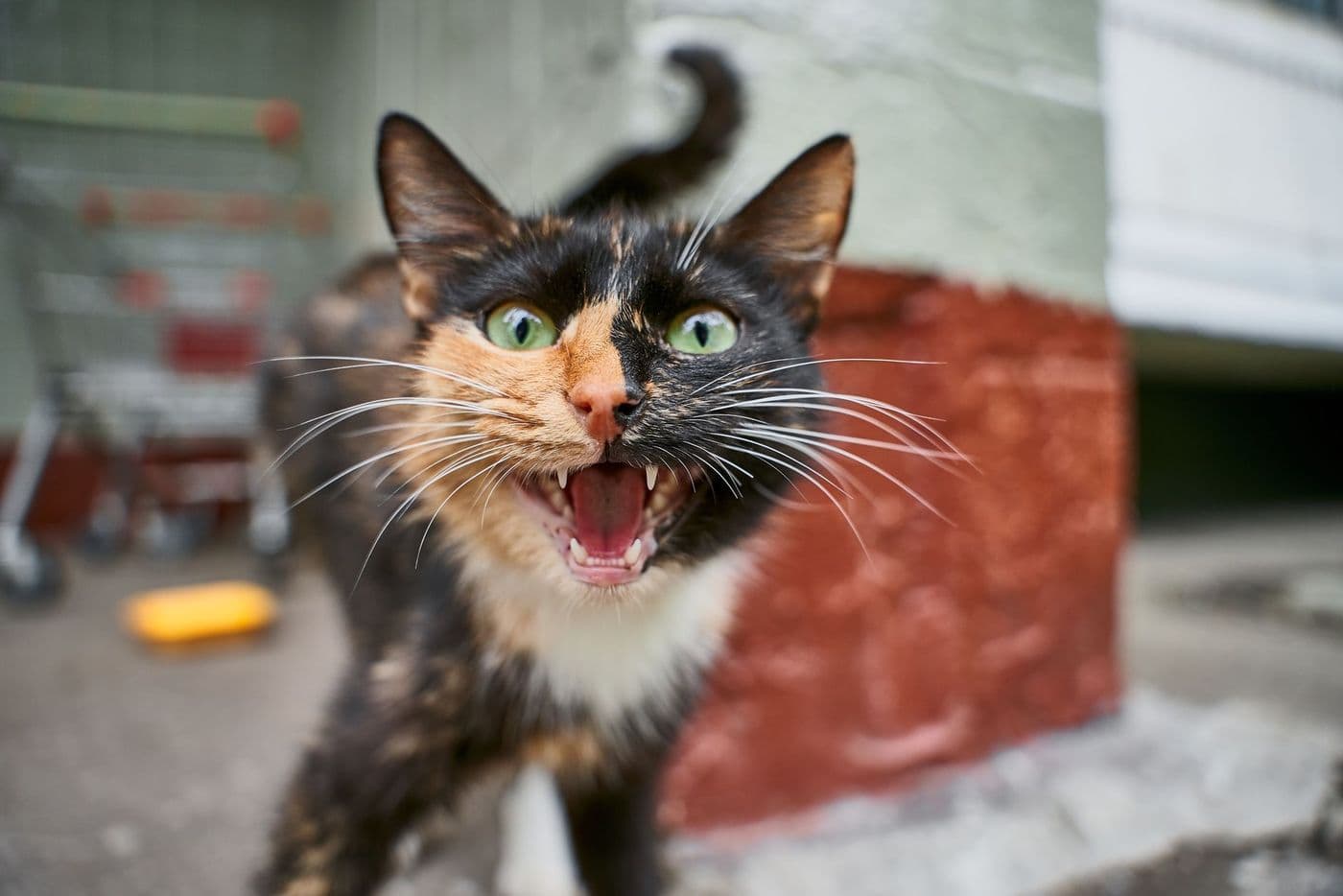
Adult cats mainly meow at people, not other cats, to ask for food, attention, play or access, or because they are bored or stressed. Excessive new meowing can also come from pain, hyperthyroidism, cognitive decline or being unspayed or unneutered. Keep routines steady, enrich the home and see a vet if the change is sudden.
Cats rarely meow at each other as adults. The meow is largely a tool they developed for communicating with humans, which means they are telling you something.
Some breeds and individuals are simply chatty. But if the volume or timing has changed, it helps to work out what the message is.
The usual suspects
Most meowing is practical. Common reasons include:
- Hunger or a wish for a meal sooner
- A greeting when you come home
- Wanting attention, play or a lap
- A closed door or inaccessible spot
- Boredom, especially in single indoor cats
- Complaining about an empty water bowl or dirty litter box
Learned meowing
If meowing gets a treat, a cuddle or a door opened, cats quickly learn it works. Many owners unknowingly reward the loudest persistent call.
Respond to quiet behavior instead: feed when your cat is calm, and play on a schedule so attention does not depend on noise.
Tip: Ignoring demands only works if everyone in the house does it. Mixed responses teach the cat to keep trying.
Stress and boredom
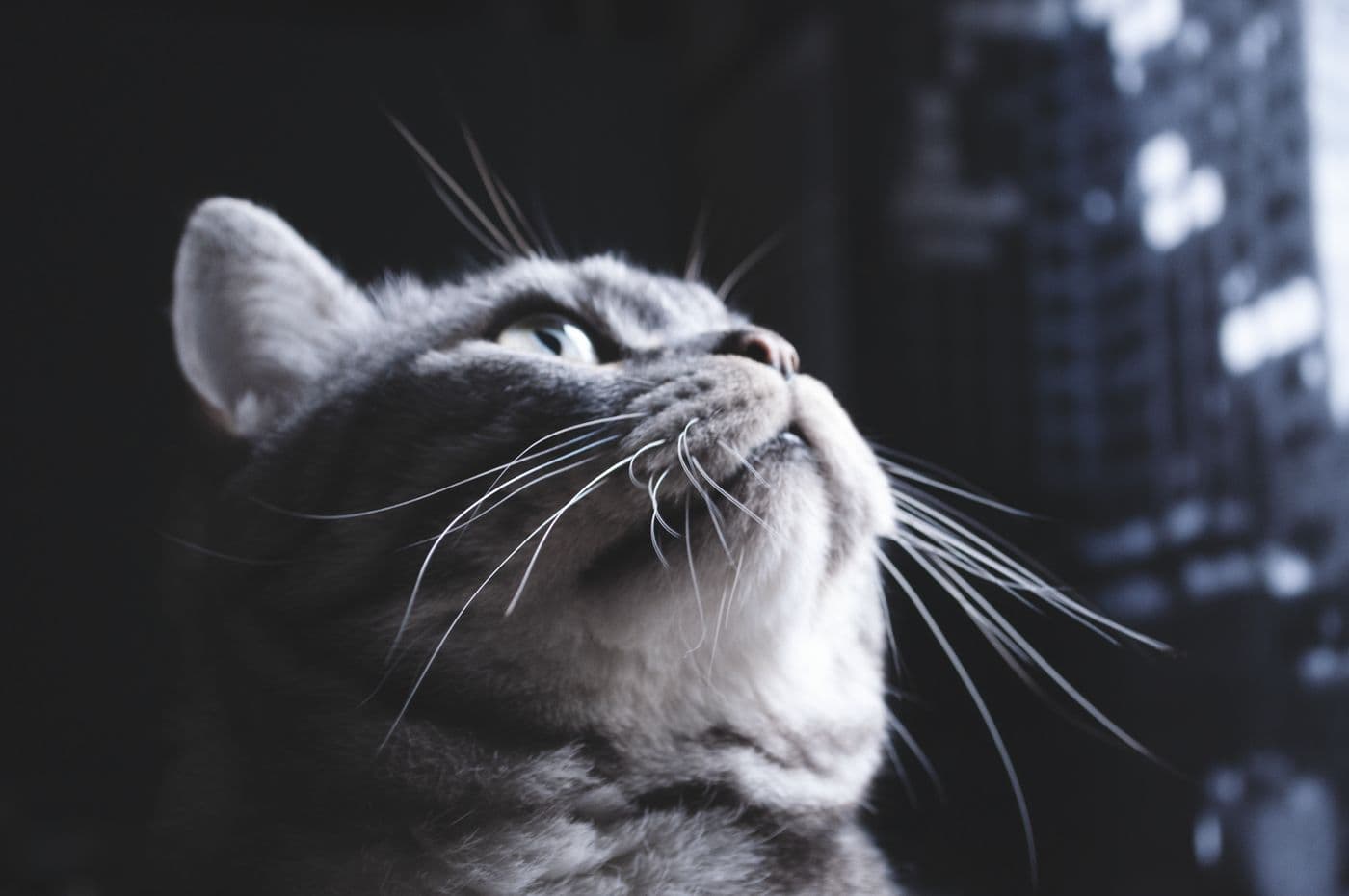
Changes at home, such as a move, new pet or altered routine, can raise vocalization. A cat with little to do will find ways to make its own entertainment.
Daily interactive play, climbing space, window views and puzzle feeders reduce boredom.
Health reasons for more noise
Pain, an overactive thyroid, high blood pressure, kidney disease and hearing loss can all lead to louder or more frequent meowing. Older cats with cognitive changes may wail at night, seemingly confused.
A sudden change in vocal habits deserves a vet visit.
Breeding behavior
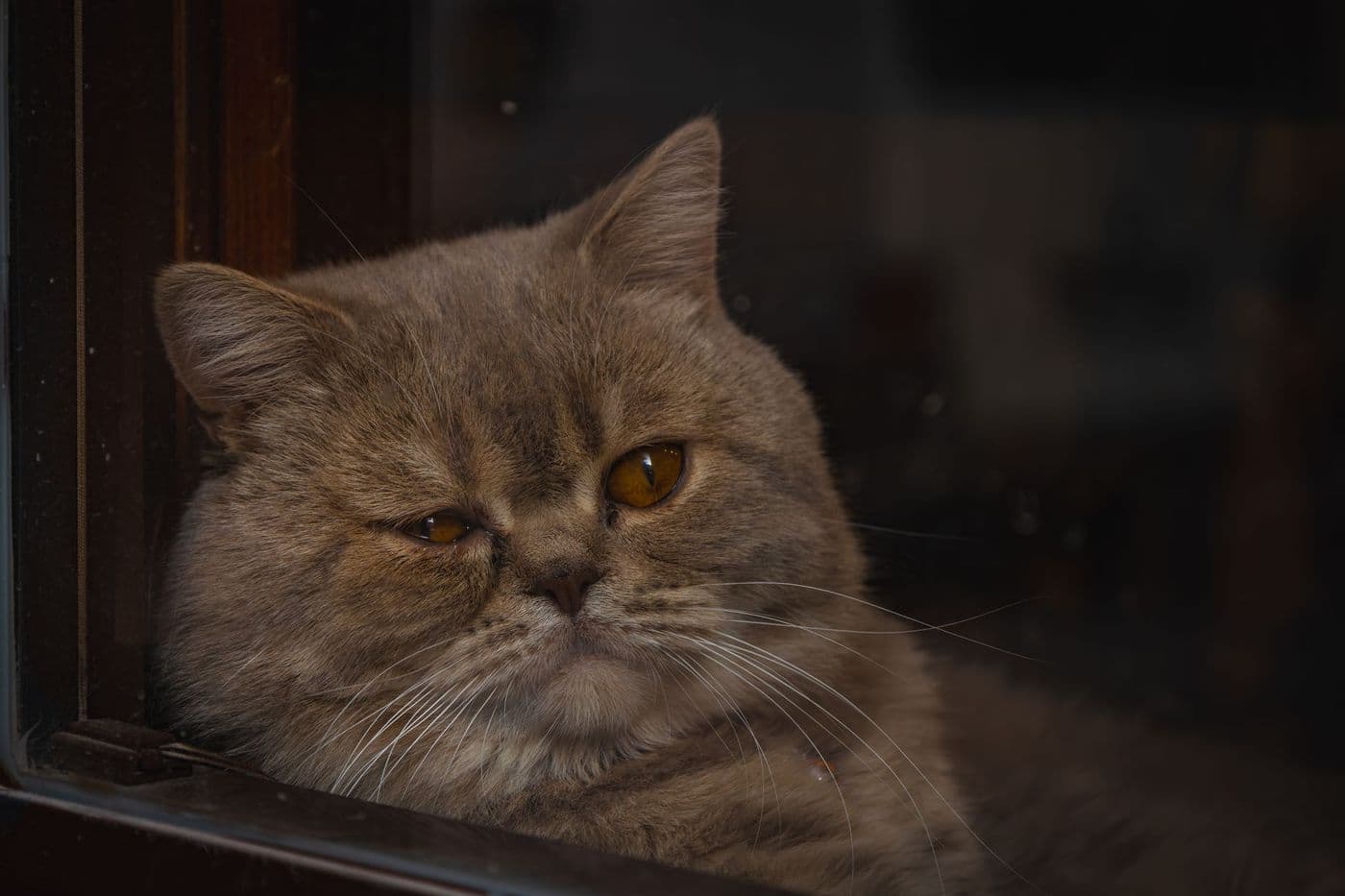
Unspayed females in heat and unneutered males often yowl loudly. Spaying and neutering usually reduce this and bring other health benefits.
Talk to your vet about the right age for your cat.
What helps
Keep feeding times predictable, add enrichment, and consider an automatic feeder for early meals. Spend dedicated time with your cat every day.
Never shout or punish. It only makes the cat more anxious and does not teach what to do instead.
Frequently asked questions
Why does my cat meow at night?
Boredom, hunger, hearing loss, cognitive changes or heat can be causes. Evening play and a vet check for older cats help.
Do some breeds meow more?
Yes. Siamese and related breeds are known for being talkative, though individuals vary.
Is meowing at the door normal?
It can be a request for access or a sign of interest in outdoor sights. Provide enrichment indoors.
Should I ignore my cat's meowing?
Ignore demanding meows once you have confirmed needs are met, but investigate sudden changes.
Advertisement
Advertisement
Sponsored: today's featured offer →General information only. Check product labels and manufacturer instructions before you start.
Keep reading
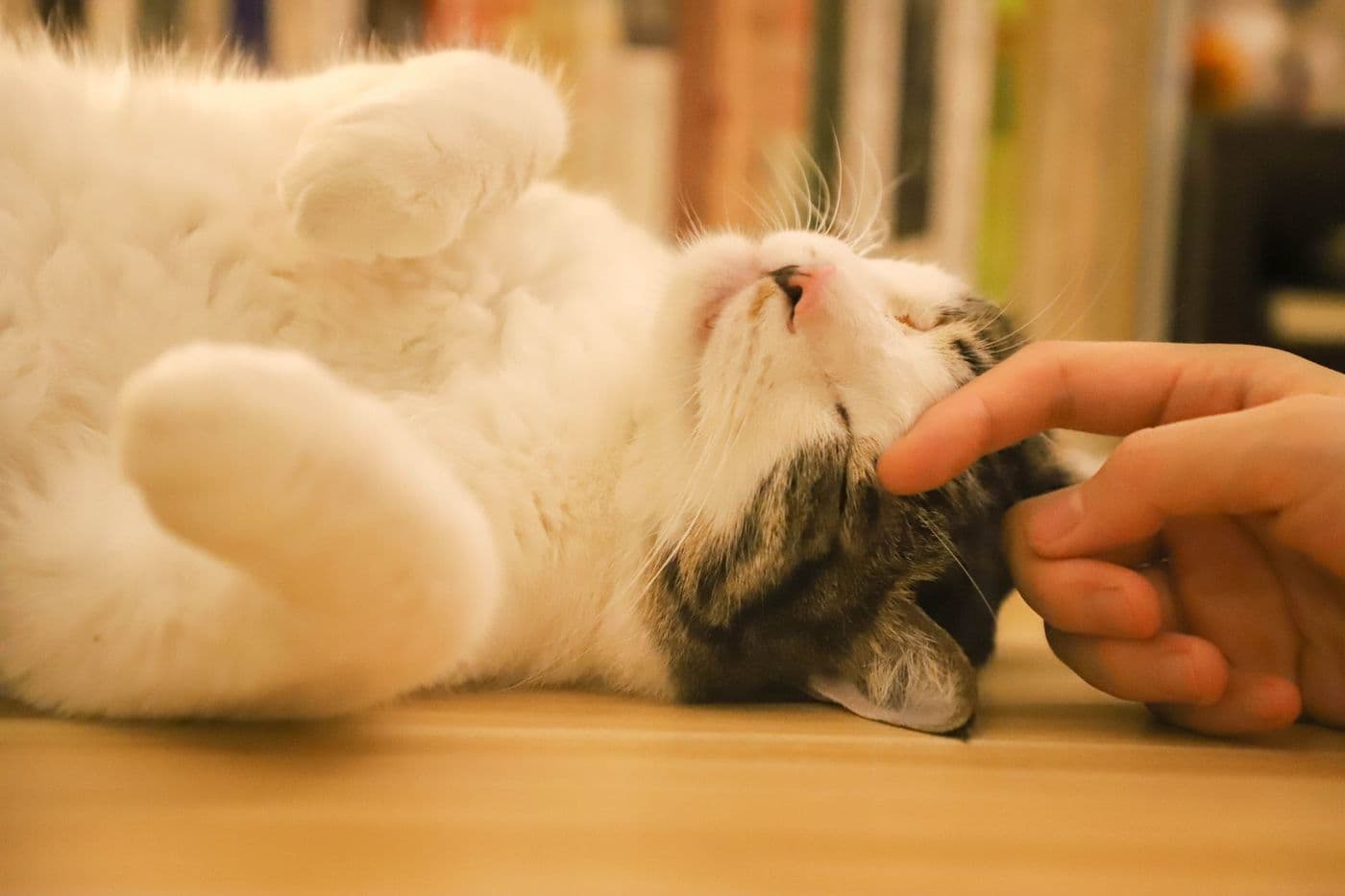
Why Does My Cat Purr? Happy, Hungry and Sometimes Hurting
What purring means, when cats purr for comfort or to ask for food, why some purr when stressed or unwell, and how to read context.
How to Introduce a New Cat to Your Resident Cat Step by Step
A slow, scent-first introduction plan for cats, how to set up a safe room, what to expect, signs of trouble and when to ask for professional help.
Why Does My Cat Have Zoomies at Night? How to Get Quiet Evenings
Why cats race around at night, how play, feeding and routine can calm midnight zoomies, and when sudden night activity needs a vet check.