Why Does My Cat Purr? Happy, Hungry and Sometimes Hurting
What purring means, when cats purr for comfort or to ask for food, why some purr when stressed or unwell, and how to read context.
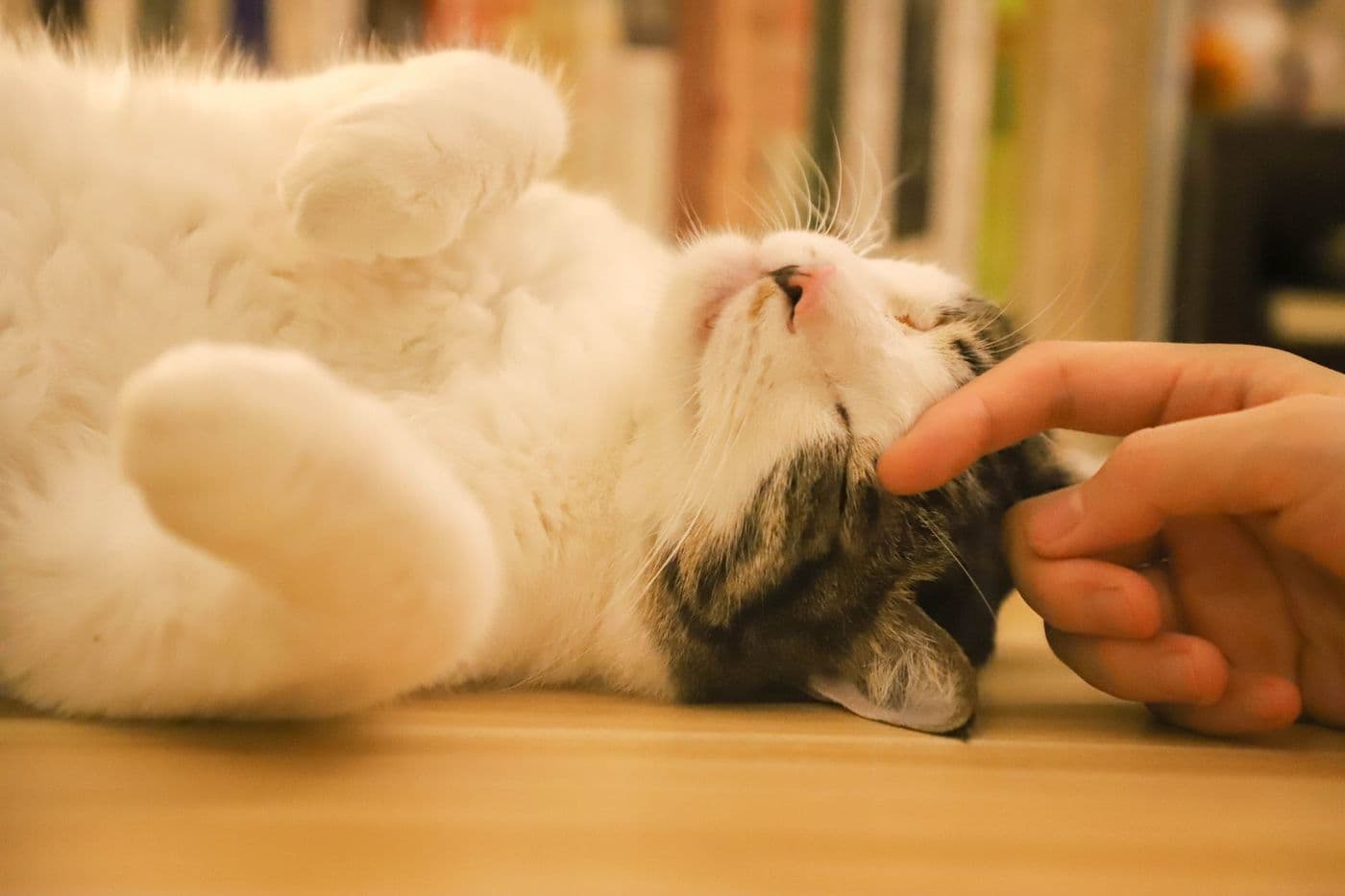
Cats purr mostly when they are relaxed and content, but also to ask for food or attention and sometimes to self-soothe when stressed, frightened or in pain. Check the context: soft eyes, a loose body and kneading suggest happiness, while hiding, a tense posture or appetite loss suggest a problem worth discussing with a vet.
A purring cat on your lap is one of life's simple pleasures, and most of the time it means exactly what you hope. But purring is more complicated than a happiness switch.
Researchers still study exactly how cats produce the sound, and there are several theories about its purposes. Here is what is reasonably well understood and how to read your own cat.
Purring as contentment
The classic purr comes during petting, napping or settling beside a favorite person. The body is loose, eyes half closed, and the cat may knead.
Kittens purr from just a few days old while nursing, which probably helps them signal to their mother that they are okay.
Purring to communicate
Some cats purr to request something. Owners often describe a distinct, more urgent purr that includes a higher-pitched element when their cat wants food.
Cats also purr to greet people, invite play or ask for company.
- Purring near the food bowl or kitchen
- Purring while following you around
- Purring with raised tail and head bumps
Purring when stressed or hurt
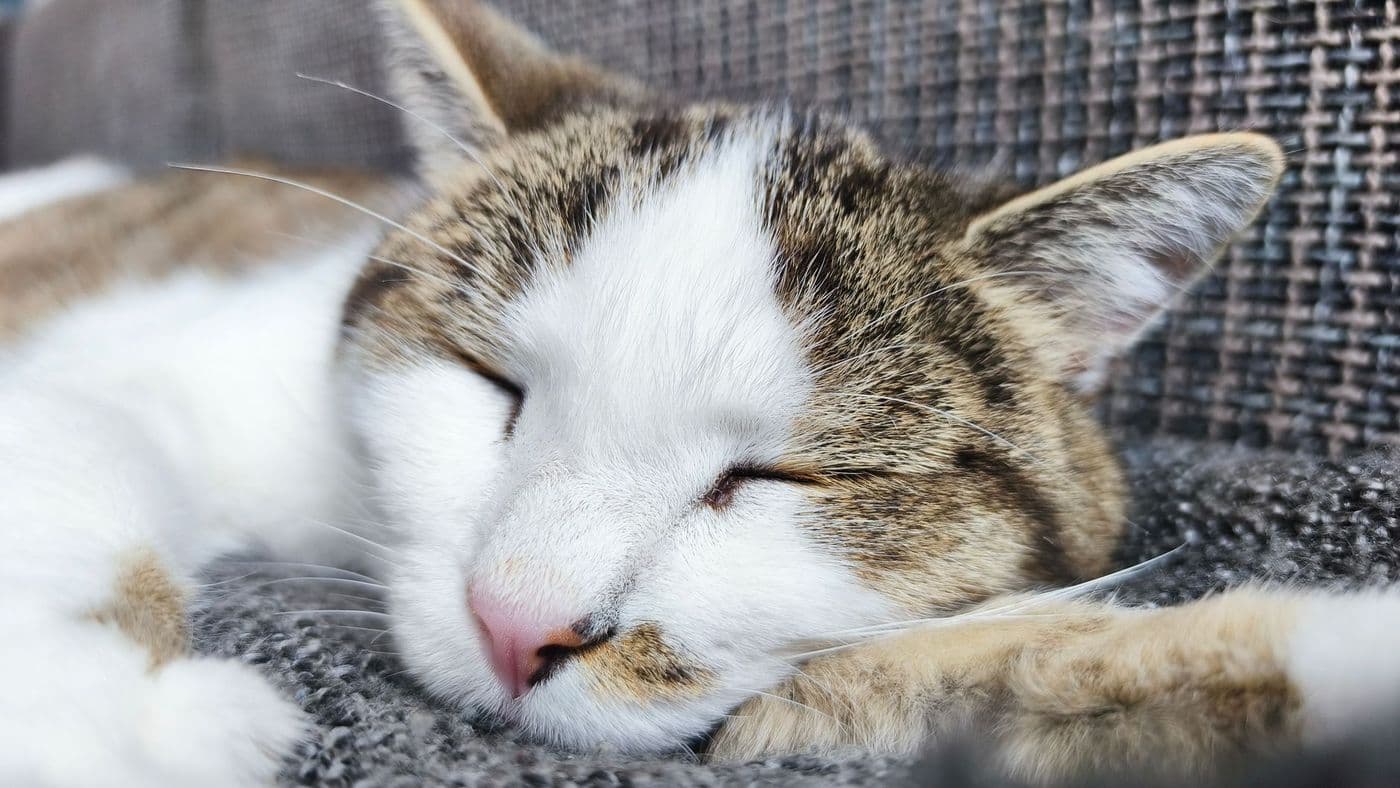
Cats may purr in situations that are anything but relaxing, such as vet visits, recovery from illness or during labor. One idea is that purring helps them comfort themselves.
This is why context matters. A purring cat that is hunched, hiding, flat-eared or not eating is not necessarily happy.
Tip: Do not assume purring means everything is fine. If your cat seems off, trust the other signs and call your vet.
Do purrs have health benefits?
There are popular claims that purring promotes healing, but the evidence is limited and not settled. It is safer to see purring as communication and self-comfort rather than a treatment.
Never use it as a reason to delay veterinary care.
Cats that never purr (or purr loudly)
Some cats purr so softly you can barely hear it, and a few seem to rarely purr. This is usually just personality.
A sudden change, such as a normally purring cat going silent or a quiet cat becoming noisy, is worth noting.
How to respond
Watch the whole cat. If your cat is relaxed, enjoy the moment. If food is the aim, stick to the feeding schedule so purring is not a way to get snacks.
If stress is suspected, give quiet space, hiding spots and routine, and ask your vet about pain or illness.
Frequently asked questions
Is a purring cat always happy?
No. Cats also purr when anxious or unwell, so read body language and context.
Why does my cat purr when I stop petting?
It may be asking you to continue, or it may be simply relaxed.
Can cats purr while eating?
Yes, some do, usually a sign of enjoyment.
Why is my cat purring and drooling?
Many cats do this in deep relaxation. If drooling is sudden or heavy, check for dental problems.
Advertisement
Advertisement
Sponsored: today's featured offer →General information only. Check product labels and manufacturer instructions before you start.
Keep reading
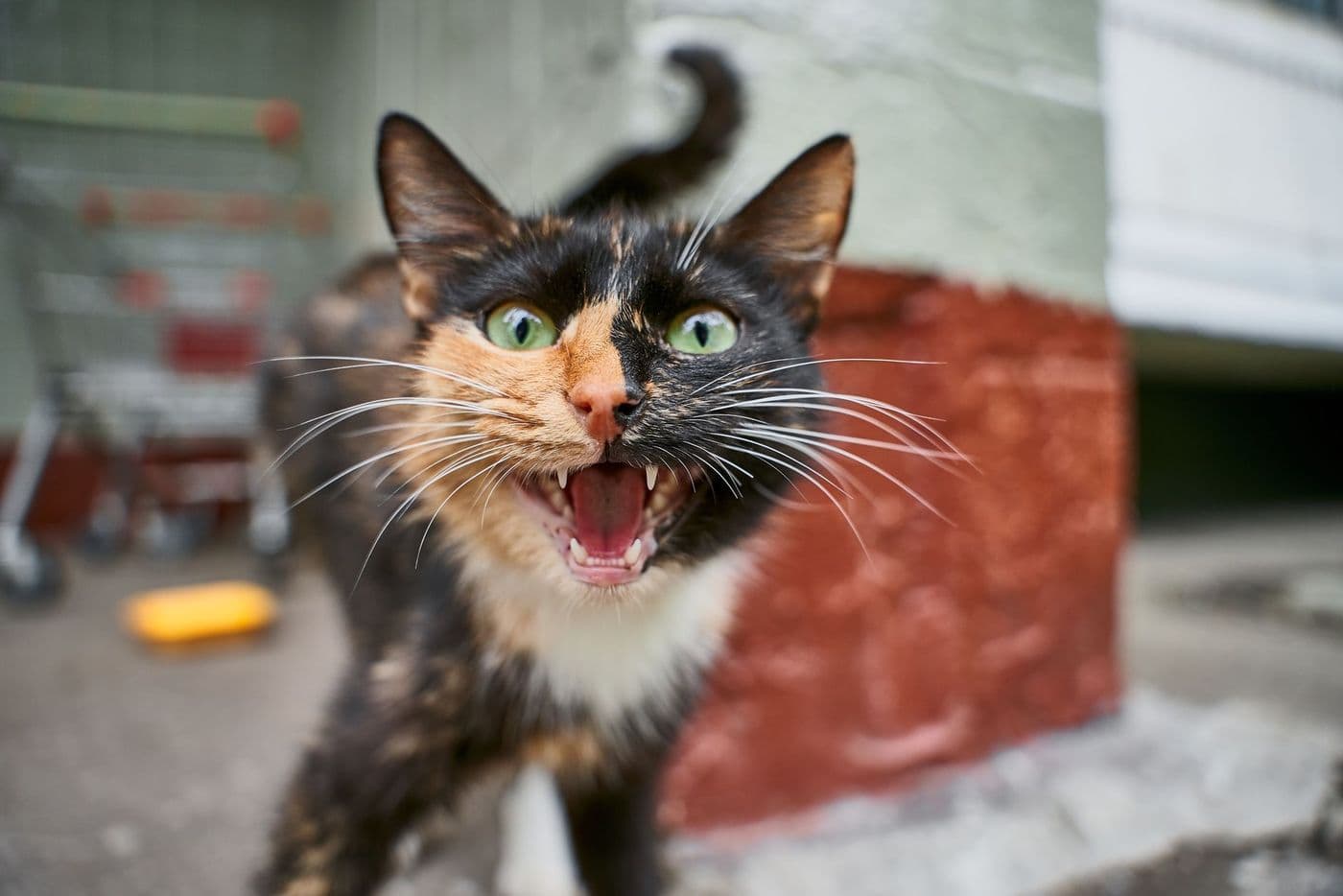
Why Does My Cat Meow So Much? Reasons and What to Do About It
Why cats meow, from hunger and attention to stress, aging and health problems, with ways to reduce excessive meowing and when to book a vet visit.
How to Introduce a New Cat to Your Resident Cat Step by Step
A slow, scent-first introduction plan for cats, how to set up a safe room, what to expect, signs of trouble and when to ask for professional help.
Why Does My Cat Have Zoomies at Night? How to Get Quiet Evenings
Why cats race around at night, how play, feeding and routine can calm midnight zoomies, and when sudden night activity needs a vet check.