How Many Litter Boxes Do You Need Per Cat? The N+1 Rule Explained
The N+1 litter box rule, how to place boxes in single and multi-cat homes, what size to choose and why too few boxes can cause accidents.
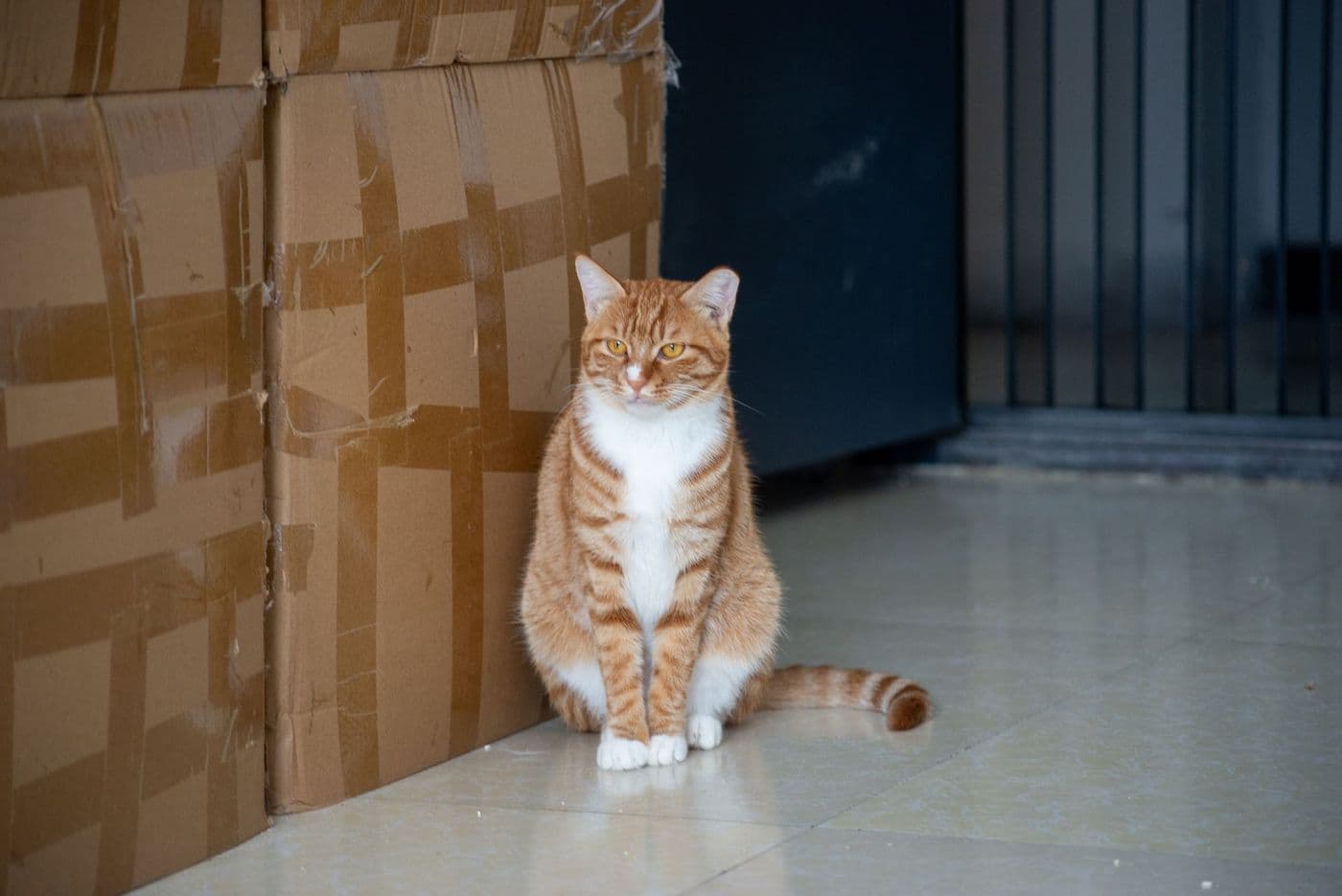
A widely used guideline is one litter box per cat plus one extra. So one cat gets two boxes, two cats get three, and so on. Spread them across different rooms or floors rather than lining them up, keep them clean, and make sure each cat can reach one without passing a rival.
Litter box problems are among the most common reasons cats end up rehomed, and many start with a simple shortage of boxes. A single box can be enough for a relaxed solo cat, but it leaves no margin when life gets complicated.
This guide explains the N+1 rule, where the extra boxes should go, and what to do when the numbers do not fit your home.
What the N+1 rule means
N is the number of cats. The rule adds one more box than cats so there is always a clean option available. It is a guideline used by many cat behavior professionals, not a law of nature.
The extra box covers moments when one is soiled, when another cat is nearby, or when a cat simply wants a different spot.
Why one box per cat is often not enough
Cats are clean animals and some will not use a box that someone else has just used. Others feel vulnerable when cornered in a dead-end spot and want to see who is approaching.
In shared homes, one cat can block access by sitting near the box. A second and third box in other places remove that pressure.
Tip: If your cat suddenly starts going outside the box, add another box before assuming it is bad behavior, and rule out a medical cause with your vet.
Where to put the extra boxes
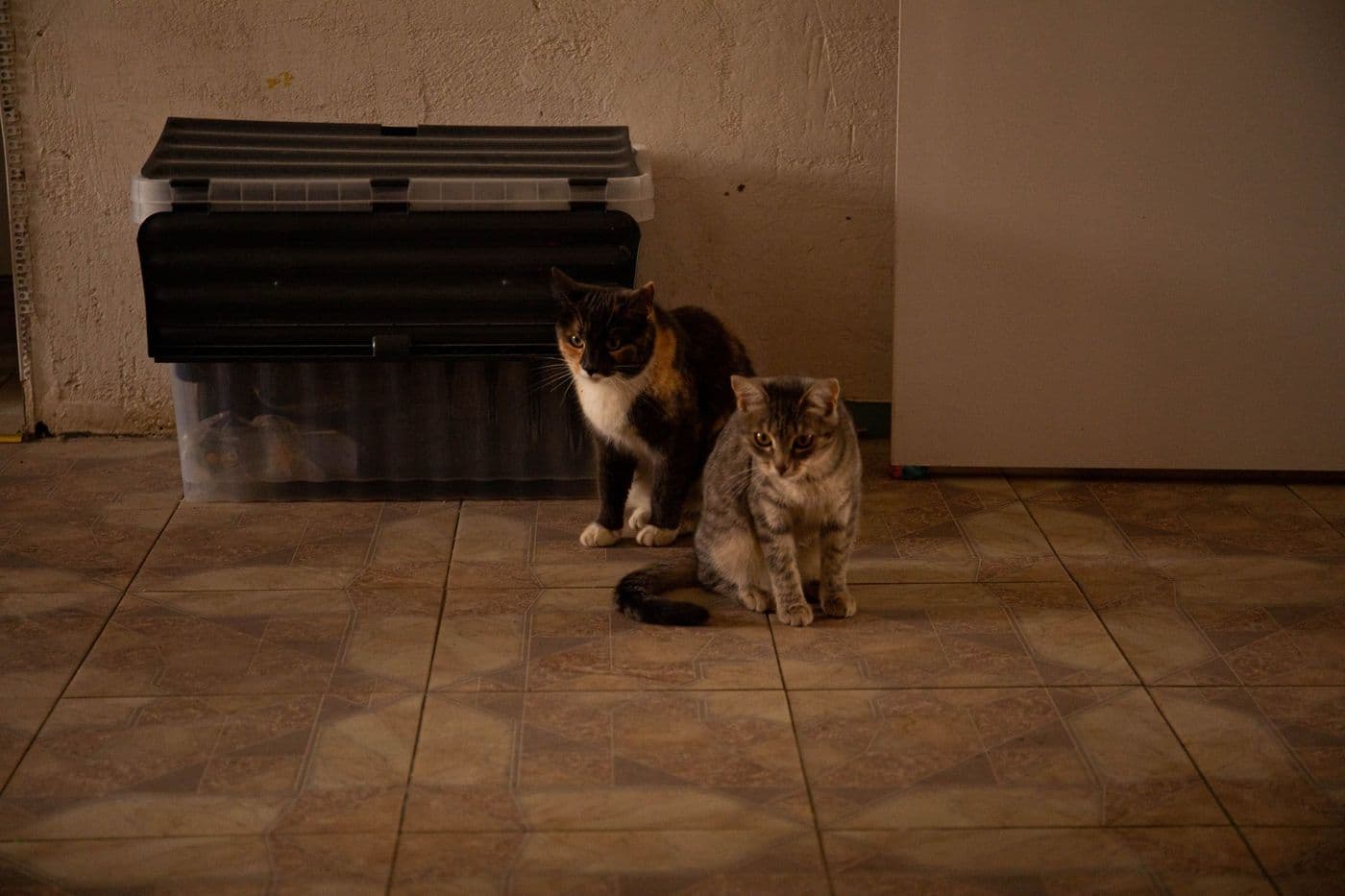
Placement matters as much as the count. Aim for variety:
- Put boxes in separate rooms, not side by side
- Use every floor of a multi-level home
- Choose quiet, easy-to-reach spots with more than one exit route
- Keep them away from food, water and noisy appliances
- Avoid places a cat can be ambushed, such as behind a door
Size and type count too

A box about one and a half times your cat's body length gives room to turn and dig. Many commercial boxes are too small, and large storage bins make roomy alternatives.
Kittens and senior cats may need a lower entry. Keep at least one uncovered box available while you learn what your cat prefers.
Cleaning keeps the system working
More boxes means more scooping. Aim to remove waste at least once daily and wash the box with mild unscented soap on a regular schedule.
Avoid strong cleaners and anything with phenols or essential oils, which can be harmful to cats and put them off the box.
What if you have limited space
In a small apartment, spread two boxes at opposite ends of the home rather than together. Even a cat with a tiny home benefits from a choice.
If you cannot meet the guideline, prioritize cleanliness, quiet placement and watching for tension between cats.
Frequently asked questions
Is one litter box enough for one cat?
It can be, but a second box gives a backup and helps if your cat becomes picky or the first box is soiled.
Can two cats share a box?
Some do happily, but many prefer their own. Offering more than one reduces conflict.
Should boxes be in the same room?
A cluster of boxes counts as one in your cat's mind. Spread them out.
How often should I scoop?
At least once a day, and more often in multi-cat homes.
Advertisement
Advertisement
Sponsored: today's featured offer →General information only. Check product labels and manufacturer instructions before you start.
Keep reading

Covered vs Open Litter Box: Which Is Better for Your Cat?
Pros and cons of covered and open litter boxes, what cats actually prefer, how to tell if your cat dislikes a hood and how to test both.

How Often Should You Change Cat Litter? A Simple Schedule
How often to scoop, when to fully replace litter and wash the box for clumping, non-clumping, crystal and natural litters, plus signs it is time.
Where to Put a Litter Box: Best (and Worst) Locations in Your Home
How to choose the best spot for a cat litter box, from quiet corners to multi-floor homes, with the placements to avoid and how to move a box.