Why Does My Cat Knead? The Meaning Behind "Making Biscuits"
Why cats knead blankets and people, what it may say about comfort and scent marking, how to handle sharp claws and when kneading signals a problem.
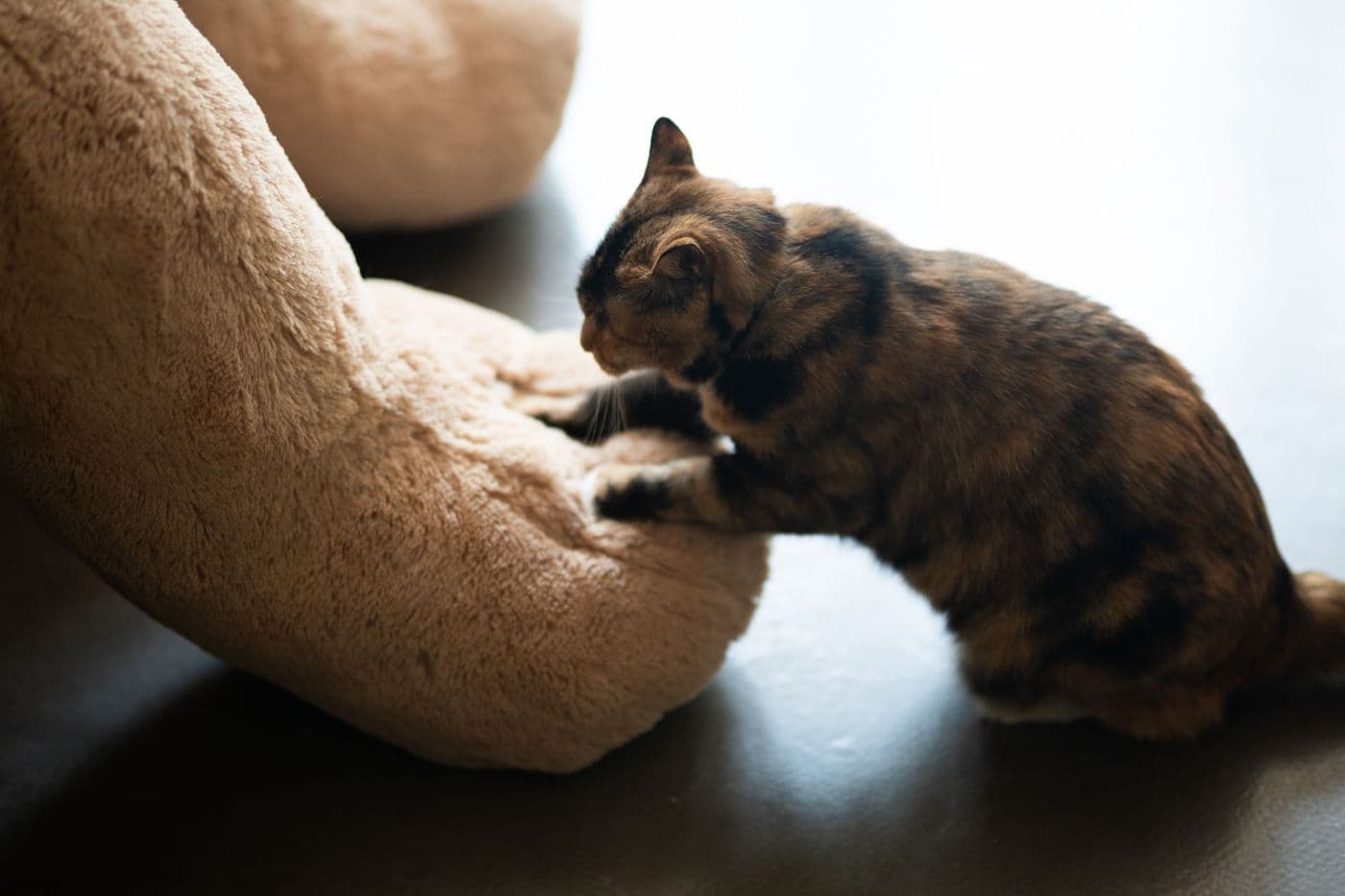
Kneading, the rhythmic pushing of paws, is most often a sign of comfort and contentment. It likely begins in kittenhood when kittens knead the mother to encourage milk flow, and adult cats may also use it to mark territory with scent glands in their paws. Place a thick blanket on your lap and trim nails to make it comfortable.
Few cat habits are as endearing, or as painful when claws are out, as kneading. Your cat settles onto your lap, pushes alternately with each front paw and often purrs along the way.
Nobody can ask a cat exactly why, but behavior experts have some well-supported ideas. Here is what the habit probably means and how to keep it comfortable for both of you.
Where kneading likely comes from
Newborn kittens press their paws against their mother while nursing, which is thought to stimulate milk flow. The action is linked with warmth, food and safety.
Many adult cats keep the behavior as a kind of comfort ritual, a hold-over that seems to say life is good.
Common reasons adult cats knead
No single explanation fits every cat, but these are widely suggested:
- Contentment and relaxation, often alongside purring
- Making a bed softer before sleeping
- Leaving scent from glands in the paw pads
- Stretching muscles in the shoulders and paws
- Self-soothing when mildly anxious or tired
- Showing affection toward a trusted person
Does kneading mean my cat is stressed?
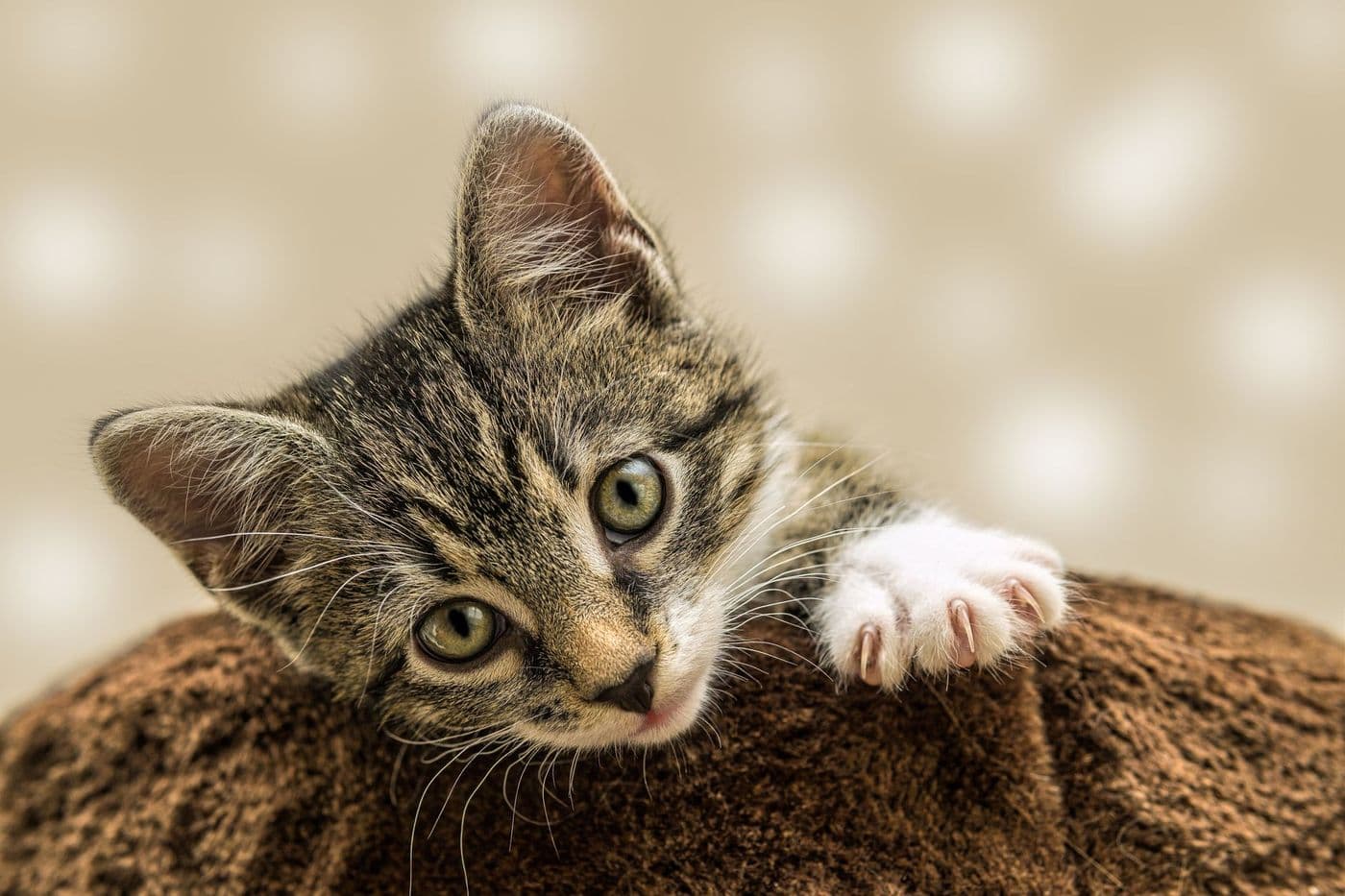
Usually not. Most kneading happens in relaxed moments. Context helps: soft eyes, slow blinks and purring suggest comfort.
If kneading seems frantic, happens with other signs of anxiety such as over-grooming or hiding, or comes with sucking on fabric, mention it to your vet.
Tip: Cats weaned early sometimes knead and suck more intensely. Provide a soft blanket they are allowed to use and make sure they have plenty of play.
How to make kneading less painful
Keep nails trimmed, as sharp tips turn a sweet gesture into a pinprick. Put a folded blanket or cushion between your cat and your legs.
Do not punish or push your cat away. Calmly slide a thick throw under them, or gently lift and place them on a soft pad.
Kneading as scent marking
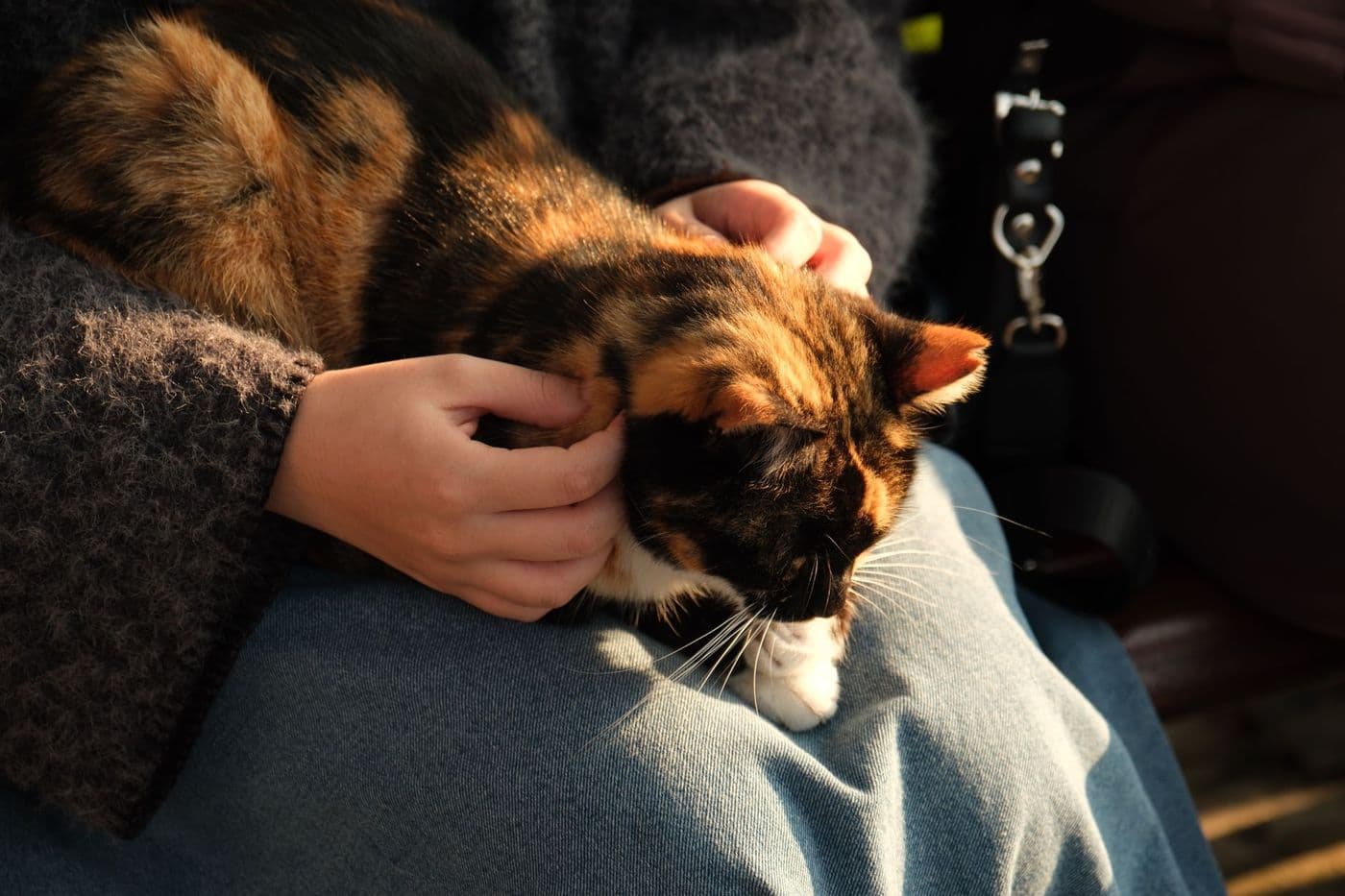
Cats have scent glands in their paw pads. When they knead you, a blanket or a favorite bed, they leave a scent that says this is mine and this is safe.
It is a compliment, in a way: you are part of their family territory.
When to ask a vet
Sudden changes in kneading, such as doing it more intensely, doing it in pain or stopping altogether, can reflect an underlying issue. So can kneading combined with limping or sore paws.
If something feels different, a quick check-up is reasonable.
Frequently asked questions
Why does my cat knead me and then bite?
Overexcitement or overstimulation. Watch for tail flicks or skin twitching and give your cat space before it escalates.
Do all cats knead?
Most do at some point, but some never do. Both are normal.
Why does my cat drool while kneading?
Some very relaxed cats drool, which is thought to be a leftover from nursing. If it is excessive or sudden, check with your vet.
Should I stop my cat from kneading?
There is no need unless it hurts. Use blankets and trim nails instead.
Advertisement
Advertisement
Sponsored: today's featured offer →General information only. Check product labels and manufacturer instructions before you start.
Keep reading

Why Does My Cat Meow So Much? Reasons and What to Do About It
Why cats meow, from hunger and attention to stress, aging and health problems, with ways to reduce excessive meowing and when to book a vet visit.
Why Does My Cat Purr? Happy, Hungry and Sometimes Hurting
What purring means, when cats purr for comfort or to ask for food, why some purr when stressed or unwell, and how to read context.
How to Introduce a New Cat to Your Resident Cat Step by Step
A slow, scent-first introduction plan for cats, how to set up a safe room, what to expect, signs of trouble and when to ask for professional help.